Req 3b — Green Marketing & Sustainability
What Is Green Marketing?
Green marketing is when a business promotes its products or services by highlighting their environmental benefits. It is marketing that says, “Buy from us because we care about the planet.” This can include using recycled materials, reducing packaging, lowering carbon emissions, or supporting conservation efforts.
Green marketing works because more and more consumers — especially younger ones — want to support businesses that take environmental responsibility seriously. When given a choice between two similar products, many shoppers will pick the one with the smaller environmental footprint.
Examples of Green Marketing
- A clothing company advertises that its shirts are made from 100% organic cotton.
- A coffee brand highlights its commitment to fair-trade sourcing and compostable packaging.
- An appliance manufacturer promotes its energy-efficient refrigerators that use less electricity.
- A car company markets its electric and hybrid vehicles as better for the environment.
In each case, the environmental benefit is part of the sales pitch. The business is using its green practices as a competitive advantage.
What Are Sustainable Business Practices?
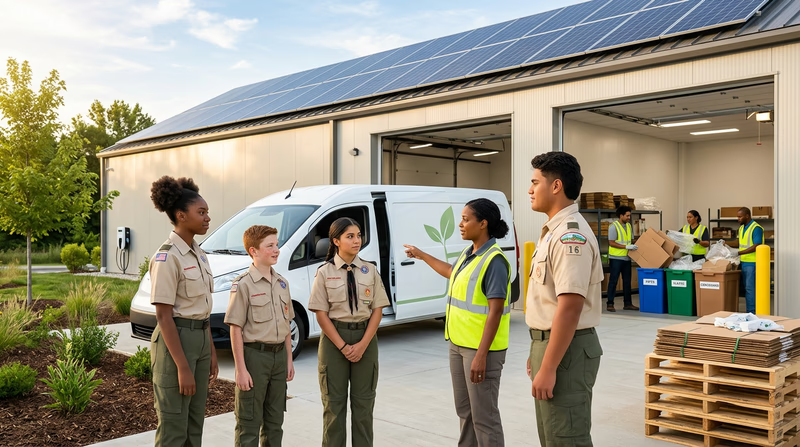
Sustainability in business means operating in a way that meets today’s needs without harming the ability of future generations to meet their needs. It goes beyond marketing — it is about how the business actually runs, from sourcing materials to disposing of waste.
Sustainable business practices fall into three categories, often called the triple bottom line:
1. Environmental Sustainability
- Reducing waste and pollution
- Using renewable energy sources
- Conserving water and natural resources
- Designing products that can be recycled or reused
- Minimizing carbon emissions in transportation and manufacturing
2. Social Sustainability
- Treating employees fairly and paying living wages
- Ensuring safe working conditions throughout the supply chain
- Supporting local communities
- Promoting diversity and inclusion in hiring
3. Economic Sustainability
- Building a business model that is profitable over the long term
- Investing in innovation that reduces costs and waste simultaneously
- Creating products and services that customers will need for years to come
Greenwashing: When Marketing Goes Wrong
Not all green marketing is honest. Greenwashing is when a company makes misleading or exaggerated claims about how environmentally friendly its products or practices are. A company might slap a “natural” label on a product that is full of synthetic chemicals, or it might advertise one small green initiative while its overall operations are highly polluting.
Greenwashing is a problem because it:
- Deceives consumers who are trying to make responsible choices
- Undermines trust in businesses that are genuinely sustainable
- Can lead to government investigations and fines
Why Sustainability Is Good Business
Being sustainable is not just the right thing to do — it often makes good business sense:
- Cost savings — Using less energy, water, and materials reduces operating costs.
- Customer loyalty — Consumers increasingly prefer brands that align with their values.
- Risk reduction — Companies that depend on scarce resources face supply chain risks. Sustainable practices reduce that vulnerability.
- Talent attraction — Many workers, especially younger ones, want to work for companies that have a positive impact on the world.
- Regulatory compliance — Environmental regulations are becoming stricter. Companies that adopt sustainable practices early avoid costly scrambles to catch up.
Sustainability is one part of doing business responsibly. Next, let’s look at the broader role of ethics in business decisions.