Animal Science Merit Badge — Complete Digital Resource Guide
https://merit-badge.university/merit-badges/animal-science/guide/
Introduction & Overview
From the barnyard to the research lab, animals have been part of the human story for thousands of years. The Animal Science merit badge takes you inside the world of livestock — the breeds, the biology, and the people who care for them. Whether you dream of running a ranch, becoming a veterinarian, or simply want to understand where your food comes from, this badge has something for you.
Animal science is about more than just knowing one end of a cow from the other. It covers genetics, nutrition, disease prevention, and the technology that drives modern agriculture. You will explore seven major livestock categories, learn how their bodies work, and discover what it takes to raise healthy animals responsibly.
Then and Now
Then — Partners in Survival
Humans began domesticating animals roughly 10,000 years ago in the Fertile Crescent of the Middle East. Goats and sheep were among the first, followed by cattle and pigs. Horses came later, transforming transportation, agriculture, and warfare. For most of history, farmers improved their herds through careful observation — picking the biggest, healthiest, and most productive animals to breed the next generation. There was no genetic testing, no ultrasound technology, and no artificial insemination. Just a keen eye and generations of hard-won experience.
- Purpose: Food, fiber, labor, transportation
- Methods: Observation-based selective breeding over centuries
- Scale: Family farms with small, mixed herds
Now — Science Meets the Farm
Today, animal science is a high-tech field. Researchers use DNA analysis to predict which animals will produce the best offspring. Sensors monitor an animal’s health in real time. Nutritionists design precise feeding programs based on an animal’s age, weight, and purpose. The United States alone produces over 27 billion pounds of beef, 226 billion pounds of milk, and 9 billion broiler chickens each year — and the science behind that production is constantly evolving.
- Purpose: Efficient, humane food and fiber production; companionship; research
- Methods: Genomic selection, precision nutrition, biosecurity protocols
- Scale: Operations range from small family farms to large commercial enterprises
Get Ready! You are about to explore one of the oldest and most important partnerships in human history — the relationship between people and animals. From tiny chicks to towering draft horses, the diversity of livestock is incredible.
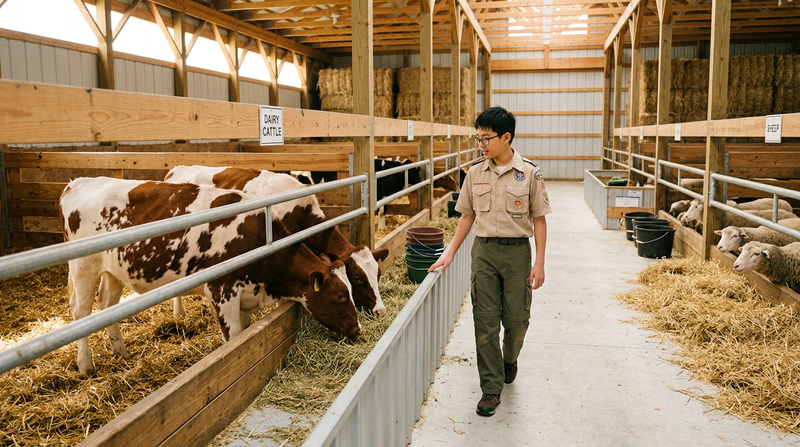
Kinds of Animal Science
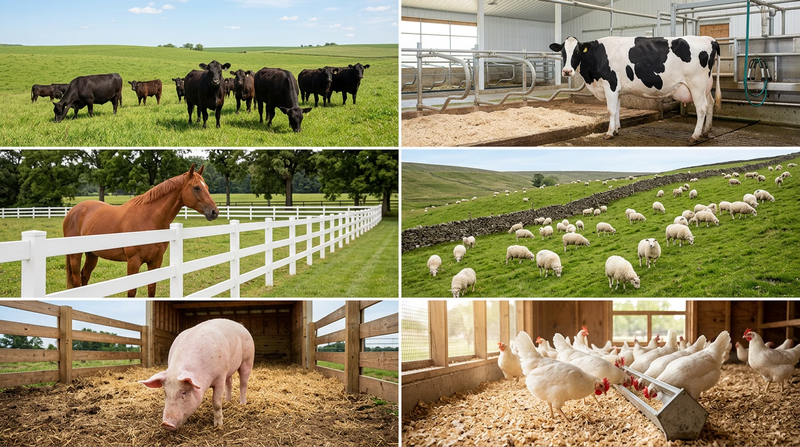
Animal science covers many species and production systems. Here is a look at the major categories you will explore in this badge.
Beef Cattle
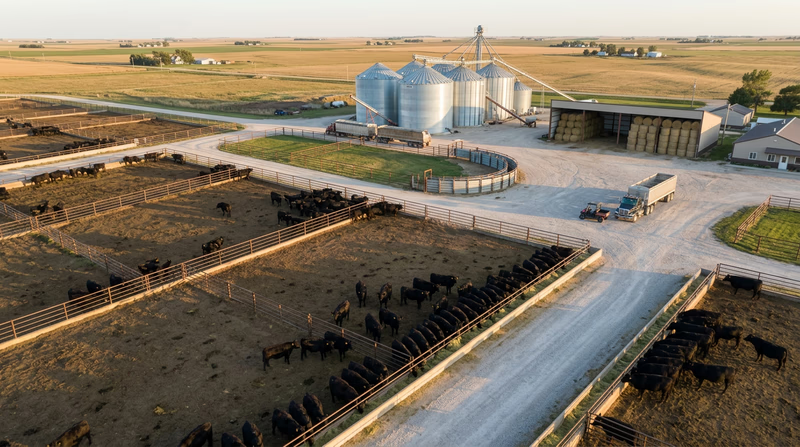
Beef cattle are raised primarily for meat production. The United States is one of the world’s largest beef producers, with operations ranging from vast Western ranches to smaller Midwestern feedlots. Breeds like Angus, Hereford, and Charolais have been developed for specific traits like marbling, hardiness, and growth rate.
Dairy Cattle
Dairy cattle are bred and managed for milk production. A single high-producing Holstein cow can give over 23,000 pounds of milk per year — that is nearly 2,700 gallons. Dairy farming requires strict sanitation, precise nutrition, and careful health monitoring.
Horses
Horses serve many roles — from working ranch stock to competitive show animals, from therapeutic riding partners to beloved companions. Different breeds excel at different jobs. A Quarter Horse can sprint short distances faster than any other breed, while a Clydesdale can pull loads that weigh thousands of pounds.
Sheep
Sheep provide wool, meat (lamb and mutton), and milk. They are raised on every continent except Antarctica. Sheep are especially well-suited to rugged terrain where cattle cannot easily graze, making them valuable in mountainous and arid regions.
Goats
Goats are one of the most versatile livestock species. They produce milk, meat, and fiber (such as mohair and cashmere). Goats are browsers rather than grazers — they prefer to eat shrubs, weeds, and brush, which makes them useful for land management and clearing overgrown areas.
Hogs
Pork is the most widely consumed meat in the world. Modern hog production focuses on efficient growth, lean meat quality, and animal welfare. Breeds like the Yorkshire, Duroc, and Hampshire have been refined over generations to produce high-quality pork.
Poultry
Poultry includes chickens, turkeys, ducks, and geese raised for meat and eggs. Chicken is the most popular meat in the United States. Poultry science covers everything from egg production and incubation to nutrition and flock health management.
Now let’s dive into the first requirement and explore the many breeds of livestock!
Req 1 — Livestock Breeds
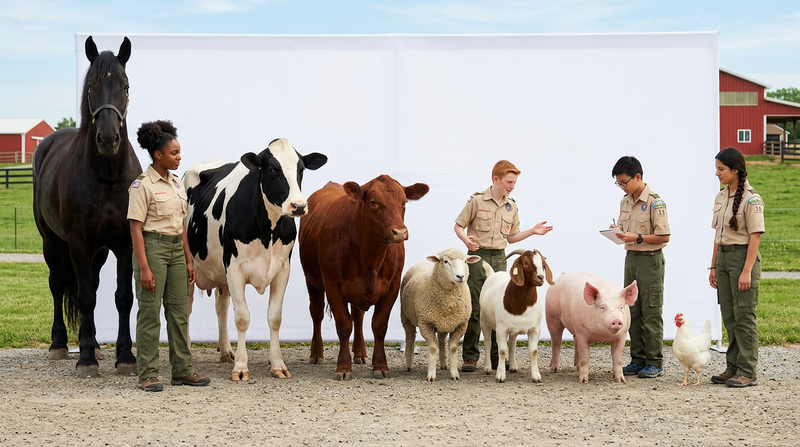
This requirement asks you to survey seven categories of livestock and pick two breeds from each. You need to know what each breed is best at, why farmers choose it, and where it came from. Below is a guide to help you explore each category — but remember, the goal is for you to select the breeds that interest you most and research them.
Horses
Horses have been bred for centuries for specific jobs — speed, strength, endurance, or temperament. When you choose your two horse breeds, think about what makes them different from one another.
Some well-known horse breeds include the Quarter Horse, which originated in the American colonies and is prized for sprinting and cattle work; the Thoroughbred, developed in England for racing; the Arabian, one of the oldest breeds in the world, known for endurance and a distinctive dished face; and the Clydesdale, a Scottish draft breed famous for its size and strength.
Dairy Cattle
Dairy breeds have been selected for high milk production, butterfat content, or both. The Holstein (from the Netherlands) dominates commercial dairy production worldwide, producing more milk per cow than any other breed. The Jersey (from the Isle of Jersey, England) is smaller but produces milk with exceptionally high butterfat content — ideal for cheese and butter. Other dairy breeds include the Guernsey, Brown Swiss, and Ayrshire, each with its own strengths.
Beef Cattle
Beef breeds are selected for growth rate, meat quality, and adaptability to different climates. The Angus (from Scotland) is the most popular beef breed in the United States, prized for its marbling and calving ease. The Hereford (from England) is known for its hardiness and foraging ability on rough pasture. Other important beef breeds include the Charolais (France), Simmental (Switzerland), and Brahman (India), which thrives in hot, humid climates.
Sheep
Sheep breeds fall into three general categories: wool breeds, meat breeds, and dual-purpose breeds. The Merino (from Spain) produces the finest, softest wool in the world. The Suffolk (from England) is a popular meat breed with a black face and fast growth rate. The Dorper (from South Africa) is a hair sheep that sheds its coat and is valued in hot climates. The Rambouillet (from France) is a dual-purpose breed offering both fine wool and good meat production.
Hogs
Hog breeds are selected for lean meat production, litter size, and mothering ability. The Yorkshire (from England) is the most common breed in American pork production, known for large litters and lean meat. The Duroc (from the United States) has a distinctive red color and is valued for fast growth and excellent meat quality. Other notable breeds include the Hampshire, Berkshire, and Landrace.
Poultry
Poultry includes chickens, turkeys, ducks, and more. For chickens, the White Leghorn (from Italy) is the top egg-production breed, laying around 300 white eggs per year. The Cornish Cross is the dominant meat bird (broiler) breed. The Rhode Island Red (from the United States) is a popular dual-purpose breed for both eggs and meat. For turkeys, the Broad Breasted White is the commercial standard.
Goats
Goat breeds are grouped by their primary product: milk, meat, or fiber. The Boer (from South Africa) is the premier meat goat breed, known for rapid growth and muscular build. The Nubian (from England, with African and Middle Eastern ancestry) is a popular dairy breed with long, floppy ears and high-butterfat milk. The Angora (from Turkey) produces mohair, a lustrous fiber, while the Saanen (from Switzerland) is the highest-producing dairy goat breed.
How to Prepare
For your counselor meeting, you will need to name two breeds from each of the seven categories and be ready to discuss:
For Each Breed
Be ready to discuss these points- Principal uses: What is the breed mainly raised for?
- Merits: What traits make this breed stand out?
- Origin: Where did this breed come from?
Now that you know about the diversity of livestock breeds, let’s look at the diseases that can affect these animals — and how to prevent them.
Req 2 — Livestock Diseases
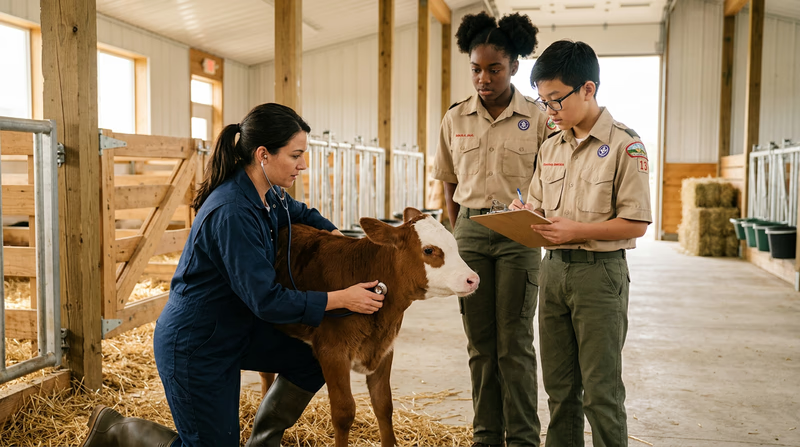
Keeping livestock healthy is one of the most important responsibilities in animal science. Diseases can spread quickly through a herd or flock, causing suffering, lost production, and economic hardship. This requirement asks you to identify two diseases for each of the seven livestock categories and understand how they work — symptoms, transmission, and prevention.
Understanding Livestock Disease
Before you research specific diseases, it helps to understand how diseases are categorized:
- Infectious diseases are caused by bacteria, viruses, fungi, or parasites and can spread from animal to animal.
- Non-infectious diseases are caused by nutritional deficiencies, genetic conditions, or environmental factors and do not spread between animals.
- Zoonotic diseases can spread from animals to humans — these are especially important to understand for your own safety.
Diseases by Category
Below are examples of diseases that affect each livestock category. You should research two per category — these examples will get you started, but your counselor may ask you to choose different ones.
Horse Diseases
Horses are susceptible to many conditions. Equine influenza is a highly contagious respiratory virus that causes fever, coughing, and nasal discharge. It spreads through airborne droplets and can be prevented with annual vaccination. Colic is not a single disease but a general term for abdominal pain — it can be caused by gas, impaction, or twisted intestines. Colic is the leading cause of death in horses and is often related to feeding practices, sudden diet changes, or stress.
Dairy Cattle Diseases
Mastitis is an infection of the udder and is the most costly disease in the dairy industry. Symptoms include swollen, hot quarters; abnormal milk (clots, watery, discolored); and reduced production. It is caused by bacteria entering the teat canal and is prevented through clean milking practices and proper sanitation. Bovine viral diarrhea (BVD) causes fever, diarrhea, respiratory problems, and reproductive failure. It spreads through direct contact and can be prevented with vaccination.
Beef Cattle Diseases
Bovine respiratory disease (BRD), often called “shipping fever,” is the most common and costly disease in beef cattle. Symptoms include coughing, nasal discharge, fever, and loss of appetite. Stress from transportation, commingling, and weather changes triggers outbreaks. Prevention includes vaccination, low-stress handling, and good ventilation. Blackleg is a rapidly fatal bacterial disease that causes sudden death, swelling in the muscles, and high fever. It is prevented through vaccination — most cattle receive the vaccine as calves.
Sheep Diseases
Foot rot causes lameness, swelling between the toes, and a foul smell. It is caused by bacteria that thrive in wet, muddy conditions and spreads through contaminated ground. Prevention includes keeping pastures well-drained and trimming hooves regularly. Ovine progressive pneumonia (OPP) is a slow-progressing viral disease that causes weight loss, difficulty breathing, and udder hardening. It spreads through respiratory secretions and infected colostrum, and there is no vaccine — prevention relies on testing and culling infected animals.
Hog Diseases
Porcine reproductive and respiratory syndrome (PRRS) causes reproductive failure in sows and respiratory disease in piglets. Symptoms include stillbirths, weak piglets, and labored breathing. It spreads through direct contact and airborne transmission. Prevention involves strict biosecurity and vaccination. Swine influenza causes fever, coughing, sneezing, and reduced appetite. It spreads rapidly through a herd via respiratory droplets and is prevented through vaccination and biosecurity measures.
Poultry Diseases
Newcastle disease is a highly contagious viral disease that causes respiratory distress, greenish diarrhea, and nervous system problems (twisted necks, circling). It spreads through direct contact with infected birds or contaminated equipment. Vaccination is the primary prevention method. Coccidiosis is caused by a parasite that damages the intestinal lining, leading to bloody droppings, weight loss, and death in severe cases. It spreads through contaminated litter and is prevented with medicated feed and good sanitation.
Goat Diseases
Caseous lymphadenitis (CL) causes abscesses in the lymph nodes, particularly around the head and neck. The bacteria spread when abscesses rupture and contaminate the environment. Prevention includes isolating infected animals and vaccinating where available. Caprine arthritis encephalitis (CAE) is a viral disease that causes swollen joints, lameness, and progressive weight loss. It spreads primarily through infected colostrum from doe to kid. Prevention involves testing the herd and feeding pasteurized colostrum to newborn kids.
How to Organize Your Research
For each of the seven categories, you need two diseases. That is 14 diseases total. A table is a great way to organize this information for your counselor meeting.
For Each Disease
Be ready to explain these points- Name of the disease
- Which animal category it affects
- Symptoms: What does a sick animal look like?
- Transmission: How does the disease spread?
- Prevention: How do farmers keep animals healthy?
Now let’s move from disease to nutrition — starting with how different animals digest their food.
Req 3 — Digestive Systems
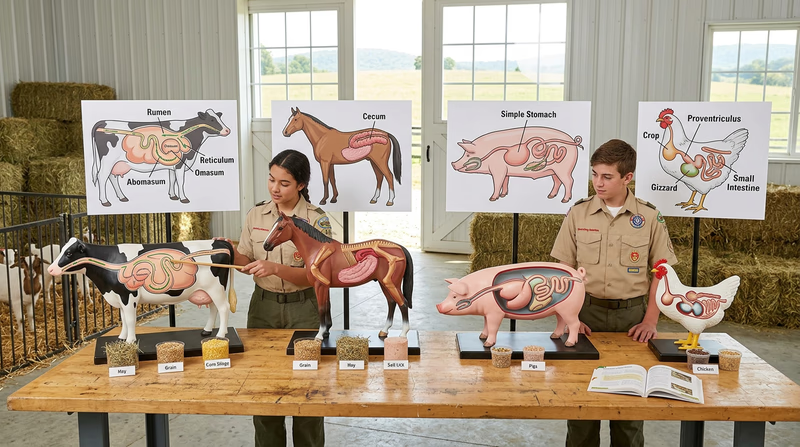
This requirement asks you to draw four different digestive systems and explain why their differences matter for feeding. Understanding how an animal’s gut works is the key to understanding what it should eat.
Four Digestive Systems, Four Strategies
Every animal must break down food into nutrients it can absorb. But different species have evolved very different solutions to this problem. Here is a look at each system and what makes it unique.
Ruminants (Cattle, Sheep, Goats)
Ruminants are the champion fiber digesters of the livestock world. Their digestive system includes four stomach compartments: the rumen, reticulum, omasum, and abomasum.
- Rumen — The largest compartment (up to 50 gallons in cattle). It acts as a giant fermentation vat where billions of microorganisms break down cellulose — the tough fiber in grass and hay that most animals cannot digest.
- Reticulum — Works with the rumen to mix food. It also traps foreign objects the animal may have swallowed (hardware disease in cattle is caused by swallowed metal objects lodging here).
- Omasum — Absorbs water and some nutrients. Think of it as a dehydrator that squeezes moisture from the partially digested food.
- Abomasum — The “true stomach,” similar to a human stomach. It produces acid and enzymes for chemical digestion.
Ruminants chew their cud — they regurgitate partially digested food from the rumen, chew it again to break it down further, and swallow it back. This process is called rumination, and a healthy cow spends about 8 hours per day doing it.
Nutritional impact: Because ruminants can ferment fiber, they thrive on forages like grass, hay, and silage. They can convert plants that humans cannot eat into high-quality protein (milk and meat). Grain can supplement their diet but must be introduced gradually — too much grain too fast can cause acidosis, a dangerous drop in rumen pH.
Horses (Hindgut Fermenters)
Horses have a simple stomach (one compartment) followed by a large cecum and colon where fermentation occurs. This makes them hindgut fermenters — the microbial breakdown of fiber happens after the stomach, not before.
- Stomach — Relatively small for the horse’s size (only 2–4 gallons). It secretes acid and enzymes but cannot handle large volumes at once.
- Small intestine — Where most sugars, starches, proteins, and fats are absorbed.
- Cecum — A large, pouch-like organ (about 8 gallons) where bacteria ferment fiber, similar to the rumen but less efficient.
- Large colon — Continues the fermentation process and absorbs water.
Nutritional impact: Because the horse’s stomach is small, horses must eat small, frequent meals — not large, infrequent ones. Overloading the stomach with grain can cause colic or laminitis (a painful inflammation of the hoof). Horses should eat primarily forage (hay and pasture) with limited grain, and they should always have access to clean water.
Pigs (Monogastric / Simple Stomach)
Pigs have a digestive system most similar to humans — a single-compartment stomach and a relatively short intestinal tract. They are true omnivores.
- Stomach — One compartment that uses acid and enzymes to break down food.
- Small intestine — The primary site for nutrient absorption. Most digestion of proteins, fats, and carbohydrates happens here.
- Large intestine — Absorbs water and some nutrients. Pigs have a small cecum, but it plays a minor role compared to ruminants or horses.
Nutritional impact: Because pigs cannot ferment fiber efficiently, they need concentrated, energy-dense feeds — primarily grains like corn and soybean meal. Pigs compete directly with humans for the same types of food (grains and oilseeds), which is one reason their feed costs are higher per pound of gain than cattle on pasture. Pigs are very efficient at converting feed to muscle, though — they gain about one pound of body weight for every three pounds of feed consumed.
Poultry (Avian Digestive System)
Birds have a completely unique digestive system adapted for flight — lightweight, efficient, and fast-processing.
- Beak — No teeth. Birds swallow food whole or in large pieces.
- Crop — A storage pouch in the esophagus where food is softened before moving on.
- Proventriculus — The glandular stomach that adds acid and enzymes.
- Gizzard (ventriculus) — A thick, muscular organ that grinds food using small stones or grit the bird has swallowed. This replaces the chewing that mammals do with their teeth.
- Small intestine — Where most nutrient absorption occurs.
- Ceca — Two small pouches where some fermentation of fiber takes place.
- Cloaca — The common exit for digestive, urinary, and reproductive systems.
Nutritional impact: Poultry need finely ground or pelleted feeds because they cannot chew. Their rapid metabolism means they need frequent access to feed and water. Laying hens require extra calcium — without it, eggshells become thin and fragile. Grit (small stones) must be provided to help the gizzard grind food, especially if birds are eating whole grains.
Why Structure Determines Diet
The table below summarizes how digestive tract differences affect feeding:
| Animal | Fiber Digestion | Primary Feed | Feeding Frequency | Key Concern |
|---|---|---|---|---|
| Ruminant | Excellent (rumen) | Forages, some grain | Continuous grazing | Acidosis from too much grain |
| Horse | Moderate (cecum) | Mostly forage, limited grain | Small, frequent meals | Colic from large meals or sudden changes |
| Pig | Poor | Grain-based concentrates | 2–3 meals/day | High feed costs; cannot use forage efficiently |
| Poultry | Minimal | Ground or pelleted feed | Continuous access | Need grit and extra calcium for layers |
Next, you will use what you have learned about nutrition and health to plan how you would manage a specific type of animal.
Req 4 — Animal Management
This requirement brings everything together. You pick one type of animal and explain how to manage it properly — covering six key areas. Think of yourself as the manager of a small operation. What decisions would you need to make every day?
Choosing Your Animal
Pick the animal you are most interested in or have the most access to learn about. If you live near a dairy farm, dairy cattle might be a natural choice. If your family keeps backyard chickens, a poultry flock could be perfect. There is no wrong answer — the important thing is that you can speak knowledgeably about all six management areas.
The Six Pillars of Animal Management
1. Nutritional (Feeding) Concerns
Every animal needs the right balance of energy, protein, vitamins, minerals, and water. What you learned about digestive systems in Requirement 3 directly applies here.
Key questions to consider for your chosen animal:
- What is the primary feed source (forage, grain, mixed ration)?
- How often should the animal be fed?
- How do nutritional needs change with age, pregnancy, or production stage?
- What supplements (salt, minerals, vitamins) are needed?
- How much water does the animal need daily?
2. Housing
Animals need shelter that protects them from extreme weather, predators, and disease while providing adequate space, ventilation, and access to feed and water.
Consider these factors:
- Climate: Does your animal need heating in winter or cooling in summer?
- Space: How much room does each animal need to move, rest, and eat comfortably?
- Ventilation: Proper airflow prevents respiratory disease — especially in enclosed barns.
- Flooring: The right surface prevents injuries and makes waste management easier.
- Access: Can you easily move animals in and out for veterinary care, breeding, or transport?
3. Disease Prevention
Prevention is always better (and cheaper) than treatment. A good health program includes:
- Vaccination schedules tailored to your region and the diseases common to your animal type
- Parasite control through deworming, pasture rotation, and manure management
- Regular health checks to catch problems early — observing animals daily for signs of illness
- Quarantine procedures for new or sick animals
- Record keeping to track vaccinations, treatments, and health events
4. Waste Control and Removal
Livestock produce a lot of waste. A single dairy cow generates about 120 pounds of manure per day. Managing that waste is critical for animal health, environmental protection, and even neighbor relations.
- Collection: How is manure collected — scraped, flushed, or composted in place?
- Storage: Where is waste stored before use or disposal?
- Utilization: Manure is a valuable fertilizer when applied properly to cropland.
- Environmental compliance: Farms must follow regulations to prevent water pollution from runoff.
5. Breeding Programs
Whether you are managing a beef herd, a dairy operation, or a poultry flock, you need a plan for producing the next generation. Breeding programs determine the genetic quality and productivity of your animals over time.
- Goals: What traits are you trying to improve (milk production, growth rate, disease resistance)?
- Methods: Natural mating, artificial insemination (AI), or embryo transfer?
- Records: Pedigree and performance data help you make informed breeding decisions.
- Timing: When should breeding occur to align births with optimal weather and feed availability?
You will explore breeding in much more detail in Requirement 5.
6. Biosecurity
Biosecurity is the set of practices that prevent diseases from entering or spreading within your operation. It is one of the most important — and most overlooked — aspects of animal management.
Biosecurity Basics
Practices every operation should follow- Control who enters your animal areas — limit visitors and require clean footwear.
- Isolate new animals before mixing them with your herd or flock.
- Clean and disinfect equipment, vehicles, and housing regularly.
- Control pests like rodents, flies, and wild birds that can carry disease.
- Keep feed and water sources clean and protected from contamination.
- Maintain a closed herd or flock when possible — avoid frequent purchases from unknown sources.
Putting Your Plan Together
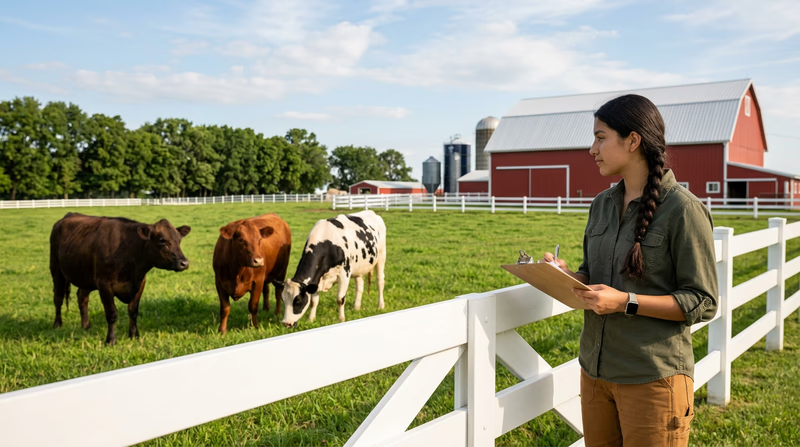
When you discuss your management plan with your counselor, organize your thoughts around the six pillars. You do not need to be an expert — but you should show that you understand the key decisions a manager faces and why each area matters.
Penn State Extension — Livestock Management Comprehensive resources on managing beef, dairy, sheep, goats, horses, and poultry from one of the top agricultural universities in the country. Link: Penn State Extension — Livestock Management — https://extension.psu.edu/animals-and-livestockNext, you will explore the science of genetics and breeding — how farmers improve their animals from one generation to the next.
Req 5a — Breeding Improvements
Breeding is the engine that drives livestock improvement. Every generation is an opportunity to make a herd or flock a little better — more productive, healthier, or better adapted to its environment. But improvements do not happen by accident. They require a plan.
The Goal of Selective Breeding
Selective breeding means choosing specific animals to be parents based on their traits. The basic idea is simple: if you want more milk, breed your best milking cows. If you want faster-growing pigs, breed the ones that reach market weight quickest. Over many generations, these choices add up to dramatic improvements.
But real-world breeding is more complex than just picking the “best” animal. Producers must balance multiple traits at once — a cow that gives the most milk may also have the weakest feet, and a fast-growing hog may have lower meat quality. Successful breeders think about the whole animal, not just one trait.
How Producers Make Breeding Decisions
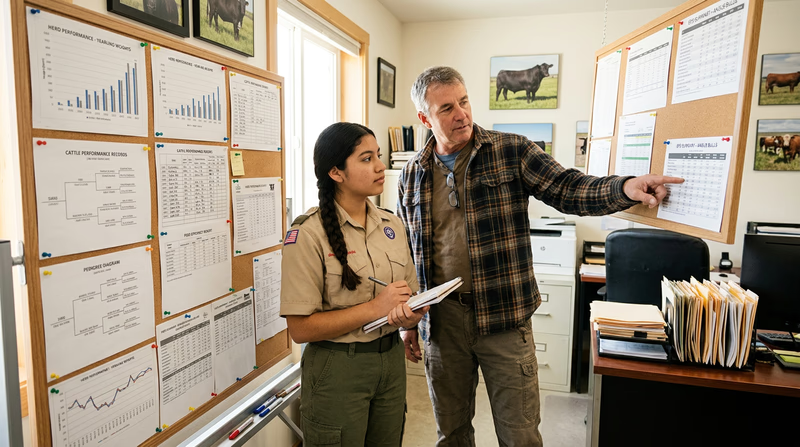
1. Performance Testing
Performance testing means measuring traits in a standardized way so animals can be compared fairly. Examples include:
- Weaning weight — How heavy is a calf at weaning? This reflects the mother’s milking ability and the calf’s growth potential.
- Average daily gain (ADG) — How fast does an animal gain weight on a standardized diet?
- Feed conversion ratio — How efficiently does an animal turn feed into body weight?
- Milk production records — How many pounds of milk (and butterfat) does a dairy cow produce per lactation?
2. Expected Progeny Differences (EPDs)
EPDs are numerical predictions of how an animal’s offspring will perform compared to the breed average. They are calculated using performance data from the animal, its parents, its siblings, and its existing offspring.
For example, a bull with a birth weight EPD of -2.0 is expected to sire calves that are, on average, 2 pounds lighter at birth than calves sired by a bull with an EPD of 0. Lighter birth weights mean easier calving — a trait many producers value.
3. Pedigree Analysis
A pedigree is an animal’s family tree. It shows the parents, grandparents, and often several more generations. Breeders study pedigrees to identify animals that carry desirable genetics — or to avoid inbreeding by making sure the sire and dam are not too closely related.
4. Visual Appraisal
Even with all the data in the world, experienced breeders still evaluate animals visually. They look at:
- Structural soundness — Is the animal built to move well and stay sound for years?
- Muscling — Does the animal carry muscle in the right places?
- Capacity — Does the animal have the body depth and volume to eat and produce at a high level?
- Udder quality (dairy) — Is the udder well-attached, with good teat placement?
5. Breeding Programs in Action
A breeding program is a long-term plan that combines all of these tools. A producer might:
- Define breeding goals (e.g., improve calving ease and marbling in a beef herd).
- Select bulls with strong EPDs for those traits.
- Use artificial insemination (AI) to breed cows to the chosen bulls.
- Performance-test the resulting calves.
- Keep the best females as replacements; sell the rest.
- Repeat, adjusting selections each year based on new data.
This cycle of selection, mating, evaluation, and re-selection is how herds and flocks improve over time.
Now let’s look more closely at the two fundamental breeding strategies: pure breeding and cross breeding.
Req 5b — Pure & Cross Breeding
These are two fundamental breeding strategies, and every livestock producer uses one or both depending on their goals. Understanding the difference — and the advantages of each — is essential to animal science.
Pure Breeding
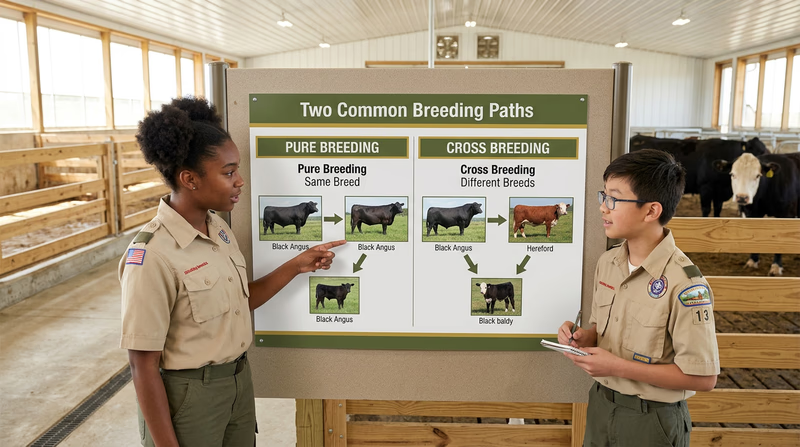
Pure breeding (also called straightbreeding) means mating animals of the same breed together. Both the sire (father) and dam (mother) are registered members of the same breed. The offspring are purebred and can be registered with the breed association.
How it works:
An Angus bull is bred to an Angus cow. The resulting calf is a purebred Angus. If that calf is a heifer, she can later be bred to another Angus bull, continuing the purebred line.
Advantages of pure breeding:
- Predictability — Purebred animals tend to produce offspring with consistent, known traits. If you breed two Holsteins together, you know the calf will look and produce like a Holstein.
- Breed improvement — Purebred breeders can focus on improving specific traits within the breed over time.
- Registration and value — Purebred, registered animals are often worth more because buyers know the genetics they are getting.
- Maintaining breed identity — Pure breeding preserves the unique characteristics that define each breed.
Disadvantages:
- Inbreeding risk — If the breed population is small or breeders are not careful, closely related animals may be mated, which can lead to reduced fertility, weaker immune systems, and other problems.
- Limited genetic diversity — Staying within one breed limits the range of traits available to select from.
Cross Breeding
Cross breeding means mating animals of two or more different breeds. The offspring are called crossbreds. This is one of the most powerful tools available to livestock producers.
How it works:
An Angus bull is bred to a Hereford cow. The resulting calf is an Angus-Hereford cross (sometimes called a “black baldy” because of its black body and white face). This calf is not purebred and typically cannot be registered with either parent breed’s association.
Advantages of cross breeding:
- Hybrid vigor (heterosis) — This is the biggest advantage. Crossbred animals often outperform both parent breeds in traits like growth rate, fertility, disease resistance, and overall hardiness. It is the same principle that makes hybrid corn outperform its parent lines.
- Combining breed strengths — You can pair a breed known for maternal ability with one known for growth and carcass quality, getting the best of both.
- Wider genetic diversity — Crossing breeds brings in new genes, reducing the risk of inbreeding problems.
Disadvantages:
- Less predictable — Crossbred offspring can vary more in appearance and performance than purebreds.
- Cannot register — Crossbred animals generally cannot be registered with purebred associations, which may limit their sale value as breeding stock.
- Requires planning — Effective crossbreeding programs require careful selection of complementary breeds.
Common Crossbreeding Systems
Producers use several crossbreeding systems depending on their goals:
- Two-breed cross — The simplest system. Breed A sire × Breed B dam. The F1 (first-generation) offspring get the maximum hybrid vigor.
- Three-breed rotation — Uses three breeds in a rotating pattern across generations to maintain hybrid vigor over time.
- Terminal cross — All crossbred offspring are sold for harvest (none kept for breeding). This maximizes hybrid vigor in every generation but requires maintaining purebred herds to produce replacement females.
- Composite breeds — A stabilized combination of multiple breeds that is then bred as its own population. The Beefmaster (Hereford × Shorthorn × Brahman) is an example.
Next, let’s explore the cutting-edge technology that modern animal scientists use to take breeding — and production — to the next level.
Req 5c — Modern Technology
Technology is changing animal agriculture at an incredible pace. From the genetics lab to the barn, modern tools help producers raise healthier animals, make smarter decisions, and use resources more efficiently. You need to identify two technologies — here is a look at some of the most important ones to choose from.
Reproductive Technologies
Artificial Insemination (AI)
Artificial insemination allows a producer to breed a female animal using collected and stored semen from a superior sire — even one that may be thousands of miles away or no longer living. The semen is frozen in liquid nitrogen and can be stored indefinitely.
Advantages:
- Access to top genetics without owning the bull, stallion, or boar
- One outstanding sire can produce thousands of offspring per year, accelerating genetic improvement
- Reduces the cost and risk of keeping a live breeding male on the farm
- Eliminates disease transmission that can occur during natural mating
Embryo Transfer (ET)
Embryo transfer allows a superior female to produce far more offspring than she could naturally. The donor cow is given hormones to produce multiple eggs (superovulation), then bred. The resulting embryos are collected and implanted into recipient females who carry the pregnancies to term.
Advantages:
- A single superior female can produce 20–30 or more calves per year instead of one
- Accelerates genetic progress by multiplying the best genetics
- Allows producers to import genetics from other countries without transporting live animals
Genomic Testing
A DNA sample — often from a hair or blood sample — can be analyzed to predict an animal’s genetic potential for dozens of traits. Genomic testing gives producers information about an animal’s genetics at birth, long before the animal can demonstrate those traits through performance.
Advantages:
- Make breeding decisions earlier — no need to wait years for performance data
- Identify carriers of genetic defects before they are bred
- Improve accuracy of EPDs (see Requirement 5a)
- Works in all species — cattle, sheep, hogs, horses, and poultry
Precision Agriculture Technologies
Electronic Identification (EID) and RFID
Radio-frequency identification (RFID) ear tags or microchips give each animal a unique electronic identity. When an animal passes a reader (at a feed bunk, milking parlor, or handling chute), the system automatically records its identity and links it to health, feeding, and production data.
Advantages:
- Accurate, automatic record keeping — no more misread ear tags or handwritten notes
- Enables individual animal management in large herds
- Required for disease traceability programs (tracking where an animal has been if a disease outbreak occurs)
Precision Feeding Systems
Computer-controlled feeding systems deliver customized rations to individual animals based on their weight, production stage, and nutritional needs. In dairy barns, robotic feeders push feed closer to the cows at regular intervals. In hog barns, electronic sow feeders (ESFs) dispense a precise amount of feed to each sow based on her individual needs.
Advantages:
- Reduces feed waste — animals get exactly what they need, no more, no less
- Improves feed efficiency and animal performance
- Lowers feed costs, which are the largest expense in most operations
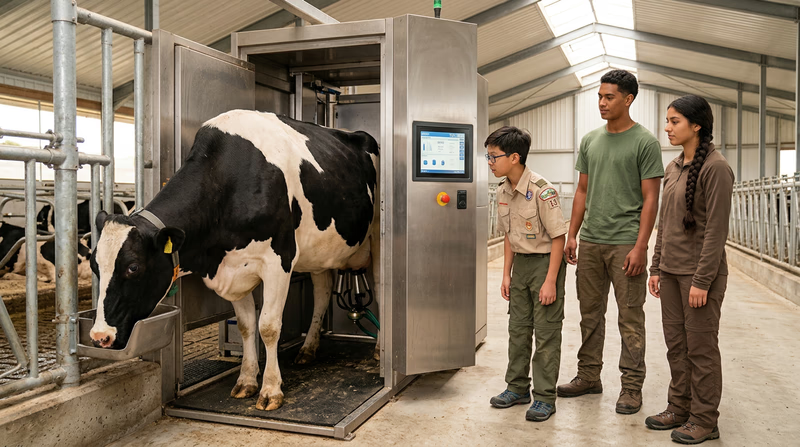
Robotic Milking Systems
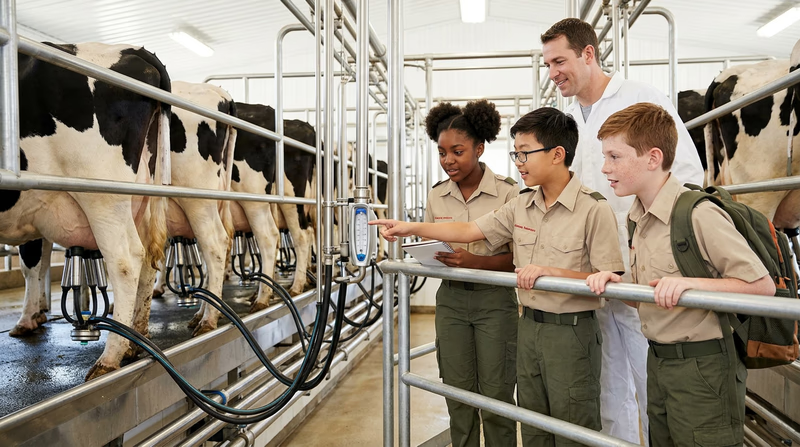
Robotic milking systems allow dairy cows to be milked whenever they choose — typically 2–4 times per day — without a human operator. The cow enters the robotic milking stall voluntarily, and the system automatically attaches the milking unit, monitors milk quality, and records production data.
Advantages:
- Reduces labor requirements for milking
- Cows can be milked more frequently, which can increase production by 10–15%
- Real-time milk quality monitoring detects mastitis and other issues early
- Improved cow comfort — cows choose their own schedule
Health and Monitoring Technologies
Wearable Health Monitors
Sensors worn on collars, ear tags, or leg bands continuously track an animal’s activity, rumination (chewing), temperature, and location. The data is analyzed by software that alerts the producer when an animal’s behavior deviates from normal — often detecting illness 24–48 hours before visible symptoms appear.
Advantages:
- Early disease detection means faster treatment and better outcomes
- Reduces the need for constant visual monitoring of large herds
- Detects heat (estrus) in breeding females, improving reproductive efficiency
Ultrasound Technology
Ultrasound is used in two major ways: for pregnancy checking and for carcass evaluation. Reproductive ultrasound can confirm pregnancy as early as 28 days after breeding. Carcass ultrasound measures backfat thickness, ribeye area, and marbling in live animals, helping producers identify the most valuable animals.
Advantages:
- Non-invasive and painless for the animal
- Provides data that improves both breeding and marketing decisions
- Widely available through trained technicians
You have now covered the core requirements — breeds, diseases, digestion, management, and breeding. Next comes the most hands-on part of the badge: choosing your specialty option.
Req 6 — Choose Your Specialty
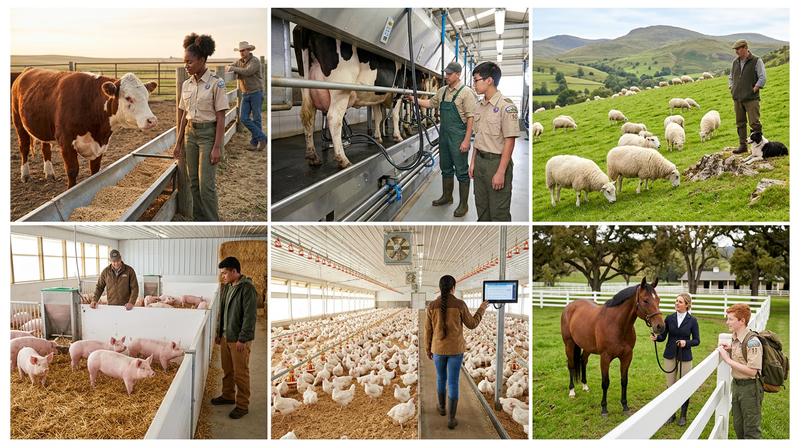
This is where you specialize. Requirement 6 asks you to choose one of six options and complete all of its sub-requirements. Each option takes you deep into a specific area of animal science — from visiting real operations to learning industry terminology.
Read the summaries below, then pick the option that interests you most. Click through to the full page for your chosen option to get the guidance you need.
Your Options
Beef Cattle Option
Explore beef cattle production systems, design a feedlot or corral, learn about wholesale and retail beef cuts, and master cattle terminology.
Best if you: Are interested in ranching, meat production, or large-animal agriculture.
Go to the Beef Cattle Option →
Dairy Option
Learn how cows or goats convert feed into milk, chart milk components, understand Grade A milk standards, and explore dairy equipment and sanitation.
Best if you: Are curious about dairy farming, food science, or dairy products.
Horse Option
Design a horse barn, explore equine history and uses, learn horse terminology and color patterns, and study horse nutrition and health.
Best if you: Love horses and are interested in equine care, riding, or horse training.
Sheep or Goat Option
Sketch wholesale and retail cuts, learn about wool grading, discover milk products, and explore sheep or goat farming firsthand.
Best if you: Are drawn to small ruminants, fiber arts, or small-scale farming.
Go to the Sheep or Goat Option →
Hog Option
Learn about pork cuts and USDA grading, outline feeding programs from breeding through finishing, and explore hog production.
Best if you: Are interested in swine production, meat science, or nutrition management.
Avian Option
Design a poultry house, understand overcrowding risks, learn egg grading and chicken meat classes, and manage a flock or visit a facility.
Best if you: Are interested in poultry, egg production, or have backyard chickens.
Req 6 — Beef Cattle Option
This option covers beef production systems, facility design, meat cuts and grading, and industry terminology. Complete all four sub-requirements (a–d) below.
Requirement 6a — Visit or Research a Beef Operation
There are three main beef production systems, and each plays a different role in getting beef from pasture to plate:
1. Feeding market cattle for harvest — These are feedlot operations where cattle are brought to a target weight on a high-energy grain diet. Feedlots typically handle hundreds or thousands of cattle at a time. The goal is efficient weight gain and consistent meat quality.
2. Cow/calf operations — These ranches maintain a breeding herd of cows that produce calves each year. Calves are raised on pasture with their mothers until weaning (around 6–8 months), then sold to feeders or backgrounders. This is the foundation of the beef industry.
3. Purebred operations — These producers raise registered, purebred cattle and sell breeding stock (bulls and replacement females) to commercial producers. Purebred breeders focus intensely on genetics and performance records.
Questions to Ask During Your Visit
Or research these topics if visiting online- What breed or breeds of cattle are raised here?
- How are the cattle fed — pasture, hay, grain, or a combination?
- How are cattle weighed and how often?
- How are cattle shipped — by truck, by trailer, to where?
- What handling facilities are used (chutes, corrals, scales)?
- What is the biggest challenge in running this operation?
Requirement 6b — Feedlot or Corral Design
You have two sketch options here. Choose the one that best fits the type of operation you researched in 6a.
Feedlot Layout (for 30+ fattening steers)
A good feedlot sketch should include:
- Pens with enough space per animal (250–400 sq ft per head for finishing cattle)
- Feed bunks along the fence line for easy access — cattle eat from one side, feed trucks fill from the other
- Water tanks or automatic waterers shared between pens
- Hay and grain storage — a hay barn and grain bins or a commodity shed near the feed mixing area
- Feed mixing area where rations are prepared
- Loading chute for receiving and shipping cattle — should be curved (cattle move better through curves) and connected to a working alley
- Hospital pen for isolating sick animals
- Drainage — pens should slope slightly so water runs off, keeping conditions dry
Corral Plan (for 50+ cows and calves)
A working corral should include:
- Holding pen large enough for the entire group
- Crowding pen (also called a “tub”) — a funnel-shaped pen that directs cattle into a single-file alley
- Working alley — a narrow chute where cattle move in single file
- Squeeze chute or headgate — where individual animals are restrained for veterinary work, tagging, or treatment
- Cutting gates — gates at key points that allow you to sort animals into different pens
- Loading chute — a ramp leading to a truck or trailer, with solid sides so cattle do not balk
Requirement 6c — Beef Cuts and USDA Grading
Wholesale (Primal) Cuts
A beef carcass is divided into eight primal cuts:
- Chuck (shoulder) — roasts, stews, ground beef
- Rib — ribeye steak, prime rib
- Loin (short loin and sirloin) — T-bone, porterhouse, filet mignon, sirloin steak
- Round (rear leg) — round steak, roasts, ground beef
- Brisket (chest) — brisket for smoking or braising
- Plate (belly area) — short ribs, skirt steak
- Flank — flank steak, London broil
- Shank (lower legs) — osso buco, soup bones
USDA Dual Grading System
The USDA uses two separate grading systems for beef:
Quality Grades — Based on marbling (intramuscular fat) and maturity (age of the animal). More marbling generally means more tender, juicy, flavorful beef. From highest to lowest:
- Prime — Abundant marbling. Found in high-end restaurants. About 3–5% of all graded beef.
- Choice — Moderate marbling. The most common grade in grocery stores.
- Select — Slight marbling. Leaner and less tender, but more affordable.
- Below these are Standard, Commercial, Utility, Cutter, and Canner — rarely sold at retail.
Yield Grades — Based on the amount of usable lean meat on the carcass. Graded from 1 to 5, with 1 being the leanest (highest percentage of boneless, closely trimmed retail cuts) and 5 having the most external fat. Yield grade is determined by measuring backfat thickness, ribeye area, kidney/pelvic/heart fat, and carcass weight.
Requirement 6d — Beef Cattle Terminology
Here are the key beef cattle terms you need to know:
- Bull — An intact (uncastrated) male bovine used for breeding.
- Steer — A male bovine that has been castrated. Steers are the primary source of commercial beef because they are calmer and produce more consistently marbled meat than bulls.
- Bullock — A young bull, typically under 2 years old, that has not been castrated. In some regions, this term refers specifically to a young bull being raised for beef.
- Cow — A mature female bovine that has had at least one calf.
- Heifer — A young female bovine that has not yet had a calf.
- Freemartin — A female calf born twin to a male calf. Freemartins are almost always infertile (about 90% of the time) due to hormonal exposure during development in the womb. They are typically raised for beef rather than kept for breeding.
- Heiferette — A heifer that was bred but lost her calf early or failed to conceive. She is then fed out for harvest rather than kept in the breeding herd.
- Calf — A young bovine of either sex, from birth until weaning (typically 6–8 months).
Req 6 — Dairy Option
This option covers milk production biology, milk components, Grade A standards, dairy equipment, terminology, and visiting a dairy operation. Complete all six sub-requirements (a–f) below.
Requirement 6a — How Cows Convert Feed to Milk
Milk production is an incredible biological process. A dairy cow’s body takes raw materials — grass, hay, grain, and water — and transforms them into a nutrient-rich liquid that contains protein, fat, sugar, vitamins, and minerals.
Here is how it works:
- Digestion — The cow eats forage and grain. In her rumen (remember the four-compartment stomach from Requirement 3?), billions of microorganisms ferment the fiber and break down nutrients.
- Nutrient absorption — Digested nutrients pass through the intestinal wall and enter the bloodstream.
- Mammary gland synthesis — Blood flows through the udder, where specialized cells in the mammary gland extract nutrients and synthesize milk components. It takes approximately 400–500 pounds of blood flowing through the udder to produce just one pound of milk.
- Milk letdown — When the cow is stimulated (by a calf suckling or by a milking machine), the hormone oxytocin triggers milk release from the udder.
Dairy vs. Beef Feeding
Dairy cows need far more energy and protein than beef cows because milk production is extremely demanding:
- Dairy cows eat a carefully balanced total mixed ration (TMR) that combines forages (corn silage, alfalfa hay) with grains (corn, soybean meal) and supplements (minerals, vitamins). A high-producing dairy cow may eat 100+ pounds of feed per day.
- Beef cows eat primarily forage-based diets — pasture grass and hay. Their nutritional needs are lower because they are not producing milk at the same volume. Grain is typically only added during the finishing period in a feedlot.
Requirement 6b — Milk Components Chart
Here are the approximate components of whole cow’s milk and goat’s milk:
Cow’s Milk (per 100g):
| Component | Amount |
|---|---|
| Water | 87.0% |
| Lactose (milk sugar) | 4.9% |
| Fat | 3.7% |
| Protein (casein + whey) | 3.4% |
| Minerals (ash) | 0.7% |
| Vitamins | Trace |
Goat’s Milk (per 100g):
| Component | Amount |
|---|---|
| Water | 87.0% |
| Lactose | 4.4% |
| Fat | 4.1% |
| Protein | 3.6% |
| Minerals (ash) | 0.8% |
| Vitamins | Trace |
Requirement 6c — Grade A Milk and Pasteurization
Grade A Milk Standards
Grade A milk is produced under strict sanitation standards enforced by the U.S. Food and Drug Administration (FDA) through the Pasteurized Milk Ordinance (PMO). Requirements include:
- Somatic cell count (SCC) must be below 750,000 cells per mL — high SCC indicates udder infection (mastitis)
- Bacteria count must be below 100,000 colony-forming units per mL before pasteurization
- Temperature — milk must be cooled to 45°F (7°C) or below within 2 hours of milking
- Facility standards — milking parlors must meet cleanliness requirements for walls, floors, ventilation, and lighting
- Equipment — all surfaces that contact milk must be smooth, non-absorbent, and easily cleaned
- Regular inspections — farms are inspected at least twice per year
Pasteurization
Pasteurization is the process of heating milk to kill harmful bacteria. It was developed by French scientist Louis Pasteur in the 1860s.
How it works:
- HTST (High Temperature, Short Time) — milk is heated to 161°F (72°C) for 15 seconds, then rapidly cooled. This is the most common method.
- UHT (Ultra-High Temperature) — milk is heated to 280°F (138°C) for 2 seconds, giving it a much longer shelf life.
Why it matters: Raw milk can contain dangerous bacteria like Salmonella, E. coli, and Listeria. Pasteurization eliminates these pathogens while preserving the taste and nutritional value of milk.
Requirement 6d — Milking Equipment and Sanitation
Milking Equipment
Modern dairy farms use several types of milking systems:
- Pipeline milking systems — Milk travels from the cow through a pipeline directly to a bulk tank. Most common in tie-stall barns.
- Milking parlors — Cows walk into a specialized room designed for efficient milking. Common types include parallel, herringbone, and rotary parlors.
- Robotic milking systems — Fully automated systems where cows enter voluntarily and are milked without a human operator (covered in Requirement 5c).
Key equipment in any system includes:
- Milking unit — Four teat cups attached to a claw that applies gentle vacuum to extract milk
- Pulsator — Alternates vacuum and rest to mimic a calf’s suckling pattern
- Bulk tank — A refrigerated stainless steel tank that cools and stores milk until pickup
- CIP (Clean-In-Place) system — Automated cleaning that flushes the milking system with hot water, detergent, and sanitizer after every milking
Sanitation Standards
- All equipment surfaces must be cleaned and sanitized before and after each milking
- Udders must be cleaned and dried before attaching the milking unit (pre-dipping with disinfectant)
- Teats are dipped in a disinfectant solution after milking (post-dipping) to prevent bacteria from entering the open teat canal
- Bulk tanks must maintain milk at 45°F or below
- Milking areas must be kept clean, well-ventilated, and free of pests
Requirement 6e — Dairy Terminology
Cattle terms:
- Bull — An intact male bovine used for breeding.
- Cow — A mature female bovine that has had at least one calf.
- Steer — A castrated male bovine, typically raised for beef.
- Heifer — A young female bovine that has not yet had a calf.
- Springer — A heifer or cow that is close to calving (about to “spring” into milk production). On dairy farms, springers are monitored closely as they approach their due date.
Goat terms:
- Buck — An intact male goat used for breeding. Also called a “billy.”
- Doe — A female goat. Also called a “nanny.”
- Kid — A young goat of either sex.
Requirement 6f — Visit a Dairy Operation
Questions to Ask During Your Visit
Or research these topics if visiting online- How many cows are milked and how often?
- What breed of cattle or goats is used?
- What do the animals eat, and how is the ration prepared?
- What milking system is used (parlor, pipeline, robotic)?
- How is milk cooled, stored, and picked up?
- What sanitation procedures are followed?
- What is the biggest challenge in dairy farming today?
Req 6 — Horse Option
This option covers barn design, equine history, horse terminology and color patterns, visiting a horse farm, and equine nutrition. Complete all five sub-requirements (a–e) below.
Requirement 6a — Horse Barn Design
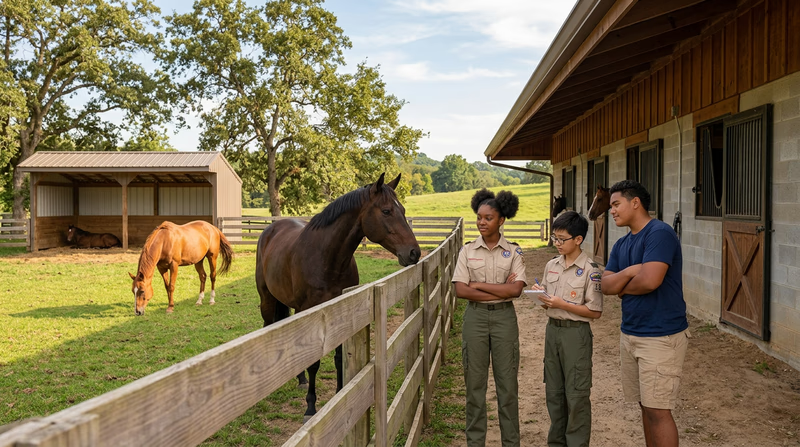
A well-designed horse barn keeps horses safe, healthy, and comfortable while making daily chores efficient for the caretaker. Your sketch should include:
Barn features:
- Stalls — Each horse needs a stall at least 12 × 12 feet (larger for draft breeds). Stalls should have solid lower walls and open upper walls or bars for ventilation and social interaction.
- Aisle — A center aisle at least 10–12 feet wide for leading horses and moving equipment.
- Feed room — A secure, rodent-proof room for storing grain and supplements.
- Hay storage — Can be a loft above or a separate structure (storing hay in a separate building reduces fire risk).
- Tack room — For storing saddles, bridles, grooming supplies, and other equipment.
- Wash rack — An area with drainage and cross-ties for bathing and grooming horses.
- Ventilation — Ridge vents, windows, or fans to keep air flowing. Good airflow prevents respiratory disease.
- Water — Automatic waterers or buckets in each stall, plus a water source in the aisle.
Exercise yard (paddock):
- Fencing — Board fencing, pipe fencing, or coated wire. Never use barbed wire for horses — they can be badly injured by it.
- Size — At least a half-acre per horse for turnout.
- Footing — Good drainage to prevent muddy conditions.
- Shade — Trees or a run-in shed for weather protection.
- Gate — Wide enough for a horse and handler to pass through safely (at least 4 feet).
Requirement 6b — History and Uses of Horses
A Brief History
Horses evolved in North America over 55 million years, starting as small, multi-toed forest animals the size of a dog. They crossed land bridges to Asia and Europe, where they were eventually domesticated around 4,000–3,500 BCE on the steppes of Central Asia.
Ironically, horses went extinct in North America around 10,000 years ago and were not seen on the continent again until Spanish explorers brought them back in the 1500s. Native peoples quickly adopted the horse, and it transformed life across the Great Plains.
Benefits to people through history:
- Transportation — Before cars, horses were the primary means of travel and freight hauling.
- Agriculture — Draft horses powered plows, harvesters, and wagons for centuries.
- Warfare — Cavalry units shaped the outcome of battles from ancient times through World War I.
- Communication — The Pony Express carried mail 1,800 miles across the American West in just 10 days.
- Recreation — Today, horses are used for riding, racing, showing, rodeo, polo, and therapeutic programs.
When discussing the breeds you chose in Requirement 1, focus on how each breed’s physical traits match its special use. A Thoroughbred’s long legs and lean build make it ideal for racing. A Quarter Horse’s muscular hindquarters give it explosive speed for cattle work.
Requirement 6c — Horse Terminology
Gender and age terms:
- Mare — A mature female horse (4 years or older).
- Stallion — An intact male horse used for breeding.
- Gelding — A castrated male horse. Geldings are generally calmer and easier to handle than stallions.
- Foal — A young horse of either sex, from birth to one year.
- Colt — A young male horse, typically under 4 years.
- Filly — A young female horse, typically under 4 years.
Type and use terms:
- Mustang — A free-roaming horse of the American West, descended from Spanish horses brought by explorers. Mustangs are managed by the Bureau of Land Management.
- Quarter Horse — A breed developed in America for short-distance racing and cattle work, named for its speed over a quarter mile.
- Draft horse — A large, heavy horse bred for pulling loads. Breeds include Clydesdale, Percheron, Belgian, and Shire.
- Pacer — A harness racing horse that moves both legs on the same side of its body simultaneously (lateral gait).
- Trotter — A harness racing horse that moves its legs in diagonal pairs (diagonal gait).
Color and pattern terms:
- Pinto — A horse with large patches of white and another color (brown, black, etc.). A color pattern, not a breed.
- Calico — A term sometimes used for a pinto-patterned horse with three or more colors, similar to a calico cat.
- Palomino — A golden-yellow body color with a white or light cream mane and tail.
- Roan — A base color mixed evenly with white hairs throughout the body. A red roan has a chestnut base; a blue roan has a black base.
- Overo — A pinto pattern where white patches are irregular and typically do not cross the back. Often has a white face.
- Tobiano — A pinto pattern where white patches are regular and rounded, typically crossing the back. Legs are usually white.
Requirement 6d — Visit a Horse Farm
Questions to Ask During Your Visit
Or research these topics online- What breeds are kept at this farm and for what purpose?
- How are the horses housed and exercised?
- What do they eat, and how often are they fed?
- How is health care managed (farrier, veterinarian, vaccinations)?
- What training methods are used?
- What is the daily routine for caring for the horses?
Requirement 6e — Horse Feeding and Colic
Feeding a Horse Doing Light Work
A horse doing light work (trail riding a few times per week, light schooling) needs:
- Forage first — The foundation of any horse’s diet is hay or pasture. A horse should eat 1.5–2% of its body weight in forage per day. For a 1,000-pound horse, that is 15–20 pounds of hay.
- Grain — Light-work horses may need little or no grain. If grain is fed, 2–4 pounds per day of a commercial feed is typically sufficient.
- Water — A horse drinks 8–12 gallons of water per day.
- Salt and minerals — A salt block or loose salt should be available at all times.
Why Feed Changes with Work Level
A horse’s energy needs increase dramatically with work intensity. A horse in heavy training (racing, eventing, ranch work) may need 2–3 times the calories of a horse at rest. The extra energy comes from increased grain, higher-quality hay, and sometimes added fat (like vegetable oil). Different breeds also have different metabolisms — an easy-keeping Quarter Horse may need less feed than a high-strung Thoroughbred doing the same amount of work.
Colic
Colic is a general term for abdominal pain in horses. It is the number one killer of horses and should always be treated as an emergency.
Common causes:
- Sudden changes in feed type or amount
- Eating too much grain at once
- Dehydration or insufficient water intake
- Sand ingestion from eating off sandy ground
- Parasite damage to the intestines
- Stress from travel, competition, or changes in routine
Symptoms:
- Pawing at the ground
- Looking at or biting at the flanks
- Rolling repeatedly
- Sweating without exercise
- Refusing to eat
- Lying down and getting up repeatedly
- Elevated heart rate
Req 6 — Sheep or Goat Option
First, choose whether you want to focus on sheep or goats — then complete all five sub-requirements (a–e) below using your chosen animal.
Requirement 6a — Wholesale and Retail Cuts
Your sketch should show a side view of a lamb or goat with the primal (wholesale) cuts marked.
Lamb Primal Cuts
- Shoulder — Shoulder roasts, blade chops, ground lamb
- Rack — Rib chops, rack of lamb (the premium cut, often “Frenched” for presentation)
- Loin — Loin chops, saddle of lamb
- Leg — Leg of lamb (roasted whole or butterflied), leg steaks
- Breast/Foreshank — Riblets, stew meat, ground lamb
- Hind shank — Braised shanks
Goat Primal Cuts
Goat cuts are similar to lamb but goat meat (called chevon or cabrito when from a young kid) tends to be leaner:
- Shoulder — Roasts, stew meat
- Rack — Rib chops
- Loin — Loin chops
- Leg — Roasts, steaks
- Breast — Ribs, stew meat
Requirement 6b — Wool Sorting and Grading
After a sheep is shorn, the entire fleece is removed in one piece and must be sorted and graded before it can be processed into yarn and fabric.
Sorting
Sorting is the process of separating different quality sections of the same fleece. A single fleece contains wool of varying quality depending on where it grew on the sheep’s body:
- Shoulder and sides — The finest, most uniform wool
- Back — Good quality but may be weathered or sun-bleached
- Belly and legs — Coarser, often dirty or matted — this wool is separated out
- Britch (rear end) — The coarsest wool on the sheep
Skilled wool sorters can separate a fleece into 10–15 different grades by hand.
Grading
Wool is graded primarily by fiber diameter (measured in microns — one micron is one-thousandth of a millimeter). Finer wool is more valuable because it makes softer, more comfortable fabrics.
Common grading systems:
- Blood system — An older American system that grades wool as Fine, 1/2 Blood, 3/8 Blood, 1/4 Blood, Low 1/4 Blood, Braid, and Common. These names originally referred to the percentage of Merino blood in the sheep, but today they simply describe fiber diameter ranges.
- Spinning count system — A numerical system (e.g., 64s, 58s, 50s) indicating how many hanks of yarn can be spun from one pound of clean wool. Higher numbers mean finer wool.
- Micron system — The modern, scientific standard. Merino wool can be as fine as 11.5 microns. For comparison, a human hair is about 70 microns.
Other factors that affect wool grade include:
- Staple length — The length of the wool fiber
- Yield — The percentage of clean wool remaining after grease, dirt, and vegetable matter are washed out
- Strength — How resistant the fiber is to breaking
- Color — White wool commands the highest price because it can be dyed any color
Requirement 6c — Milk Products
Both sheep and goat milk are used to make a wide range of products:
From goat’s milk:
- Fluid drinking milk (fresh, pasteurized)
- Chèvre (soft, fresh goat cheese)
- Feta cheese (traditionally made from sheep or goat milk)
- Yogurt
- Butter
- Ice cream
- Soap and skin care products
- Cajeta (caramelized goat milk, popular in Mexican cuisine)
From sheep’s milk:
- Roquefort cheese (France)
- Pecorino Romano (Italy)
- Manchego (Spain)
- Feta (Greece — traditionally sheep’s milk or a sheep/goat blend)
- Ricotta (can be made from sheep’s milk whey)
- Yogurt
Requirement 6d — Raise or Visit
Option 1: Raise a lamb or goat from weaning to market weight. Keep records of feed intake, weight gains, medication, vaccination, and mortality.
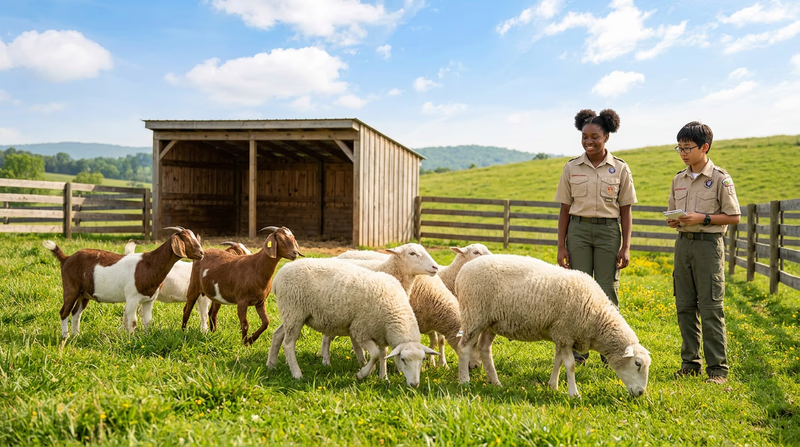
Option 2: Visit a farm or ranch where sheep or goats are raised. Describe what you saw and explain what you learned. If you cannot visit, view a video or research online (with parent/guardian permission).
If you are raising an animal, keeping good records is essential:
Record-Keeping Essentials
Track these items weekly or as events occur- Date and weight at each weigh-in
- Type and amount of feed consumed
- Any medications or treatments given (with dates and dosages)
- Vaccination dates and types
- Health observations (appetite, energy, body condition)
- Any deaths and their causes
If you are visiting a farm, ask about:
Farm Visit Questions
Topics to explore- What breed is raised and why was it chosen?
- Is the operation focused on meat, milk, fiber, or a combination?
- How are the animals housed and what do they eat?
- How is the flock or herd managed for health and reproduction?
- What are the biggest challenges of raising sheep or goats?
Requirement 6e — Terminology
Sheep terms:
- Wether — A castrated male sheep. Wethers are raised for meat and are often used as show animals in 4-H and FFA.
- Ewe (pronounced “you”) — A female sheep of any age.
- Ram — An intact male sheep used for breeding. Also called a “tup” in some regions.
- Lamb — A young sheep under one year of age, of either sex.
Goat terms:
- Doe — A female goat.
- Nanny — Another common term for a female goat (though “doe” is preferred in the goat industry).
- Kid — A young goat of either sex.
- Buck — An intact male goat used for breeding.
- Billy — Another common term for a male goat (though “buck” is preferred in the industry).
Req 6 — Hog Option
This option covers pork cuts and USDA grading, feeding programs, hands-on experience, and swine terminology. Complete all four sub-requirements (a–d) below.
Requirement 6a — Pork Cuts and USDA Grading
Primal (Wholesale) Cuts of Pork
Your sketch should show a side view of a hog with the primal cuts marked:
- Shoulder (Boston Butt) — Pulled pork, shoulder roasts, blade steaks. A heavily worked muscle that benefits from slow cooking.
- Picnic shoulder — Roasts, smoked picnic ham, ground pork.
- Loin — The largest and leanest primal. Includes pork chops (rib, center-cut, sirloin), tenderloin, and back ribs. The loin runs along the top of the back.
- Belly — Bacon and spare ribs. Pork belly has become a popular restaurant item on its own.
- Ham (leg) — Fresh ham roasts, cured ham, ham steaks. The ham is the entire rear leg.
- Side/Spareribs — St. Louis–style ribs are cut from this area.
- Jowl — The cheek, often cured like bacon. Used in Southern cooking.
- Feet (trotters) — Used in specialty dishes and for making gelatin.
USDA Pork Grading
Unlike beef, pork grading is less commonly used at retail. The USDA grades for pork are:
- U.S. No. 1 — Highest quality. The most muscular carcass with the least backfat. The loin eye is large, and the carcass has a high percentage of lean cuts.
- U.S. No. 2 — Slightly less muscling and slightly more backfat than No. 1.
- U.S. No. 3 — Average muscling and moderate backfat.
- U.S. No. 4 — Below-average muscling and excessive backfat.
- Utility — Lowest grade. Very thin, poorly muscled carcasses or those with defects.
Basis for grading: Pork grades are based primarily on two measurements:
- Backfat thickness — Measured at the last rib. Less backfat means a leaner, higher-graded carcass.
- Muscling — Evaluated by the size of the loin eye (the cross-section of the longissimus muscle at the last rib). Larger loin eyes indicate more lean meat.
Requirement 6b — Feeding Programs
Hog feeding is divided into distinct phases, each with different nutritional goals. Here is the lifecycle from breeding through market:
Phase 1: Gestation (Breeding to Farrowing — about 114 days)
A bred gilt (first-time mother) or sow needs a diet that supports fetal development without making her too fat:
- Feed: A corn-soybean meal diet with added vitamins and minerals
- Amount: 4–6 pounds per day (restricted feeding to prevent excess weight gain)
- Key nutrients: Adequate protein (12–14%), calcium, and phosphorus for developing piglets
- Goal: Maintain body condition score of 3 (on a 1–5 scale)
Phase 2: Lactation (Farrowing to Weaning — about 21 days)
Once the sow gives birth (farrows), her nutritional needs skyrocket. She is now producing milk for 8–14 piglets:
- Feed: A high-energy, high-protein diet (16–18% protein)
- Amount: Increase gradually to full feed — a lactating sow may eat 12–16 pounds per day
- Key nutrients: Extra energy (often from added fat), lysine (an essential amino acid for milk production), calcium, and phosphorus
- Water: A lactating sow can drink 6–8 gallons of water per day
- Goal: Maximize milk production and minimize weight loss in the sow
Phase 3: Nursery (Weaning to ~50 lbs — about 5–6 weeks)
Newly weaned piglets transition from milk to solid feed. This is a stressful period:
- Feed: Highly palatable, easily digestible starter diets with dried whey, soybean meal, and added flavoring
- Protein: 20–22% (high to support rapid growth)
- Feeding: Free-choice (available at all times)
- Goal: Minimize weaning stress and get piglets eating solid feed as quickly as possible
Phase 4: Growing (50 lbs to ~130 lbs)
Piglets are now called “growers” and are building frame and muscle:
- Feed: Corn-soybean meal diet with 16–18% protein
- Feeding: Free-choice
- Goal: Maximize lean growth
Phase 5: Finishing (130 lbs to market weight, ~280 lbs)
The final phase focuses on reaching market weight efficiently:
- Feed: Corn-soybean meal diet with 13–15% protein (lower than growing phase)
- Feeding: Free-choice
- Goal: Efficient weight gain while maintaining lean meat quality
- Duration: About 8–10 weeks
Requirement 6c — Raise or Visit
Option 1: Raise a feeder pig from weaning to market weight. Keep records of feed intake, weight gains, medication, vaccination, and mortality.
Option 2: Visit a farm where hogs are produced, or visit a packing plant handling hogs. Describe what you saw and explain what you learned. If you cannot visit, view a video or research online (with parent/guardian permission).
Farm Visit Questions
Topics to explore during your visit- What breed or crossbreed of hogs is raised?
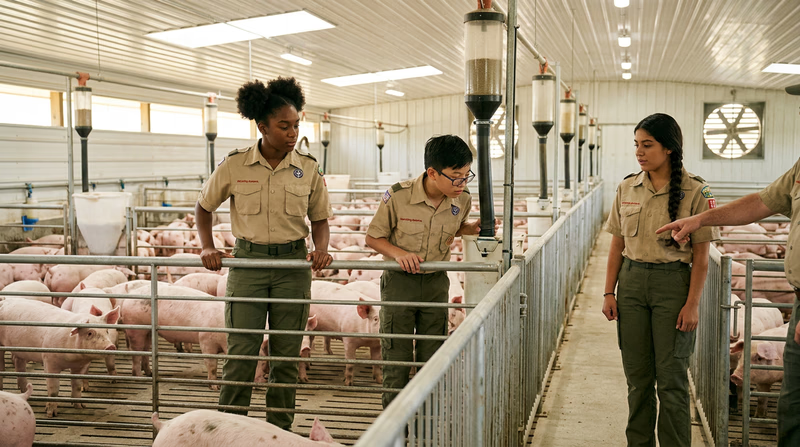
- How are the hogs housed (indoor confinement, hoop barns, pasture)?
- What do they eat, and how is feed delivered?
- What biosecurity measures are in place?
- How are piglets managed from birth through weaning?
- What is the current market price for finished hogs?
Requirement 6d — Hog Terminology
- Gilt — A young female pig that has not yet had a litter of piglets. Once she farrows (gives birth) for the first time, she becomes a sow.
- Sow — A mature female pig that has had at least one litter.
- Barrow — A male pig that has been castrated. Barrows are raised for meat production because they grow more efficiently and produce better-tasting pork than intact males.
- Boar — An intact male pig used for breeding. Boars are also the term used for wild pigs.
Req 6 — Avian Option
This option covers poultry housing design, overcrowding dangers, egg grading, chicken meat classes, hands-on flock experience, and poultry terminology. Complete all five sub-requirements (a–e) below.
Requirement 6a — Poultry House Design
Layer House Features
If you sketch a layer house (for egg-producing hens), include:
- Nest boxes — One nest for every 4–5 hens, placed off the ground in a quiet area. Nests should be dark and private to encourage laying.
- Roosts (perches) — Elevated bars where hens sleep at night. Allow 8–10 inches of roost space per bird. Roosts should be higher than nest boxes so hens do not sleep in the nests.
- Feeders — Trough or tube feeders that provide constant access to feed. Allow 3–4 inches of feeder space per bird.
- Waterers — Nipple drinkers or bell waterers. Clean water must always be available. One waterer per 25–30 birds.
- Ventilation — Fans, ridge vents, and adjustable sidewall curtains or inlets to control airflow.
Broiler House Features
A broiler house (for meat birds) is simpler:
- No nest boxes or roosts — Broilers are raised on the floor and harvested before they reach laying age.
- Litter — The floor is covered with wood shavings, rice hulls, or other absorbent bedding.
- Feeders and waterers — Automatic pan feeders and nipple drinkers suspended from the ceiling.
- Ventilation — Large exhaust fans on one end with air inlets on the other (tunnel ventilation) to maintain air quality and temperature.
Environmental Controls
Insulation — Walls and ceilings are insulated to maintain stable temperatures. Poultry are sensitive to temperature extremes — the ideal range for layers is 60–75°F (15–24°C).
Ventilation — Critical for removing moisture, ammonia, and heat. Poor ventilation leads to respiratory disease, wet litter, and reduced performance. In modern houses, fans and inlets are controlled by computers that adjust airflow based on temperature and humidity sensors.
Temperature controls — Heaters (propane brooders) warm the house for young chicks. Evaporative cooling pads or tunnel ventilation cool the house in summer. Heat stress can kill birds rapidly.
Automatic lights — Lighting programs control when lights turn on and off to regulate egg production.
Why Light Matters for Egg Production
Hens need 14–16 hours of light per day to maintain peak egg production. As days get shorter in fall and winter, egg production naturally drops. Commercial layer houses use artificial lighting programs to keep the day length consistent year-round.
- Increasing light stimulates the pituitary gland, which releases hormones that trigger egg development.
- Decreasing light slows or stops production.
- Pullets (young hens) are raised on shorter light schedules, then given increasing light when they reach laying age to stimulate the onset of production.
Requirement 6b — Overcrowding Dangers
Overcrowding is one of the most harmful conditions in poultry production. When too many birds are kept in too little space, problems multiply:
- Disease transmission — Birds in close contact spread infections faster. Respiratory diseases, coccidiosis, and viral infections move through crowded flocks at alarming rates.
- Stress and aggression — Crowded birds become stressed, which weakens their immune systems. Stress also leads to feather pecking and cannibalism — birds literally attack each other.
- Poor air quality — More birds produce more moisture, ammonia, and carbon dioxide. Without enough space and ventilation, air quality deteriorates rapidly, damaging the birds’ respiratory systems.
- Reduced production — Stressed, uncomfortable birds eat less, grow slower, and lay fewer eggs. Feed conversion efficiency drops.
- Wet litter — More birds means more manure in the same space. Litter becomes wet, promoting bacterial growth and increasing the risk of footpad dermatitis (painful sores on the feet).
- Heat stress — Crowded birds generate more body heat. In warm weather, this can cause mass mortality. Poultry cannot sweat — they cool themselves by panting, which is much less efficient.
Requirement 6c — Egg Grading and Meat Classes
Egg Grading
The USDA grades eggs based on interior and exterior quality:
- Grade AA — The highest quality. The shell is clean, unbroken, and practically normal. When cracked open, the white is thick and firm, and the yolk stands up tall and round. The air cell (the space at the large end of the egg) is small (1/8 inch or less).
- Grade A — Very similar to AA. The white is reasonably firm, and the air cell is slightly larger (3/16 inch or less). This is the grade most commonly sold in grocery stores.
- Grade B — Lower quality. The white may be thin and watery, the yolk may be flattened, and the shell may have minor staining or abnormal shape. Grade B eggs are typically used in liquid egg products, baking mixes, and other processed foods.
Egg sizing is separate from grading. Sizes (Jumbo, Extra Large, Large, Medium, Small, Peewee) are based on the minimum weight per dozen eggs, not the size of individual eggs.
Classes of Chicken Meat
Chicken meat is classified by the age and sex of the bird at harvest:
- Cornish game hen (poussin) — A very young chicken (usually under 5 weeks), weighing about 2 pounds. Despite the name, it can be either sex.
- Broiler/Fryer — A young chicken (usually 6–8 weeks), weighing 2.5–4.5 pounds. This is the most common type of chicken sold in the United States.
- Roaster — A young chicken (usually 8–12 weeks), weighing 5–7 pounds. Larger and more mature than a broiler, with more fat for roasting.
- Capon — A castrated male chicken, usually 4–8 months old, weighing 6–10 pounds. Capons have tender, well-marbled meat and are considered a specialty product.
- Hen/Stewing hen — A mature female chicken (over 10 months), typically a retired layer. The meat is tougher and requires slow cooking (stewing, braising) but has excellent flavor.
Requirement 6d — Raise or Visit
Option 1: Manage an egg-producing flock for five months. Keep records of feed purchased, eggs sold, medication, vaccination, and mortality.
Option 2: Raise five chickens from hatching. Keep records of feed intake, weight gains, medication, vaccination, and mortality.
Option 3: Visit a commercial avian production facility. Describe what you saw and explain what you learned. If you cannot visit, view a video or research online (with parent/guardian permission).
Record-Keeping for Flock Management
Track these items regularly- Daily egg count (for layers) or weekly weights (for meat birds)
- Feed purchased — type, amount, and cost
- Eggs sold — number, price, and revenue
- Medications and vaccinations — dates, types, and dosages
- Deaths — date, number, and suspected cause
- General observations — bird behavior, egg quality, weather conditions
Requirement 6e — Poultry Terminology
- Chick — A newly hatched chicken of either sex.
- Pullet — A young female chicken that has not yet begun laying eggs (typically under 20 weeks old).
- Hen — A mature female chicken that is laying eggs or has laid eggs.
- Cockerel — A young male chicken, typically under one year old.
- Cock (rooster) — A mature male chicken, one year or older.
- Capon — A male chicken that has been castrated. Capons grow larger, have more tender meat, and are calmer than intact males.
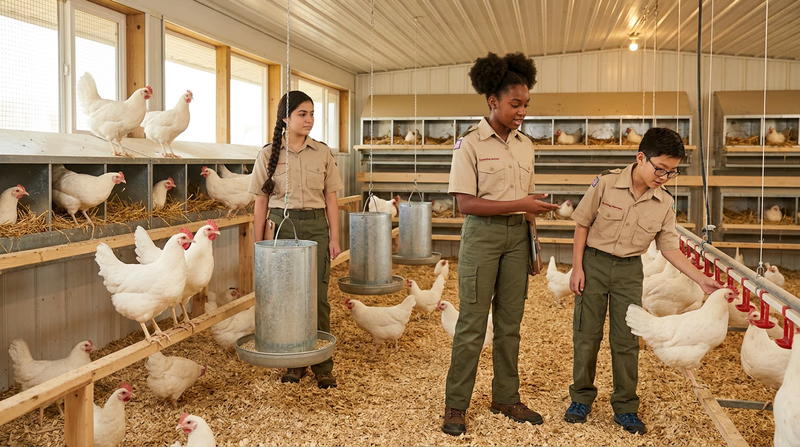
Req 7 — Careers in Animal Science
Animal science opens the door to a wide range of careers — far more than most people realize. You do not have to grow up on a farm to build a career in this field. Here is a look at some of the many career paths available, organized by area of focus.
Career Categories in Animal Science
Veterinary Medicine
Veterinarian (DVM) — Diagnoses and treats animal diseases, performs surgery, and advises producers on herd health. Large-animal veterinarians work with livestock on farms and ranches. Small-animal veterinarians work primarily with pets.
- Education: 4-year college degree + 4 years of veterinary school (Doctor of Veterinary Medicine)
- Training: Clinical rotations in vet school, followed by optional residency in a specialty
- Outlook: High demand, especially for large-animal and rural veterinarians
Veterinary technician — Assists veterinarians with examinations, lab work, anesthesia, and surgical procedures. Similar to a nurse in human medicine.
- Education: 2-year associate degree in veterinary technology (or 4-year bachelor’s)
- Certification: Must pass the Veterinary Technician National Examination (VTNE)
Animal Nutrition
Animal nutritionist — Designs feeding programs for livestock operations to maximize health and production while controlling costs. Works for feed companies, universities, or as an independent consultant.
- Education: Bachelor’s degree in animal science, with a master’s or PhD for research or consulting positions
- Skills: Chemistry, biology, data analysis, communication
Genetics and Breeding
Livestock geneticist — Uses DNA analysis, EPDs, and breeding program design to improve animal performance across generations. May work for breed associations, AI companies, or universities.
- Education: Bachelor’s degree minimum; master’s or PhD for advanced positions
- Skills: Genetics, statistics, molecular biology
Production and Management
Farm or ranch manager — Oversees daily operations of a livestock enterprise, making decisions about feeding, breeding, marketing, and labor. This is a hands-on leadership role.
- Education: Bachelor’s degree in animal science or agriculture (or equivalent experience)
- Training: Practical experience is essential — many managers start as hired hands or grow up in farming families
Livestock buyer or marketing specialist — Evaluates and purchases cattle, hogs, or sheep for feedlots, packers, or auction companies. Requires an excellent eye for animal quality and strong negotiation skills.
Meat Science and Food Safety
Meat scientist — Studies meat quality, food safety, and processing technology. May work in research, product development, or quality assurance for food companies.
- Education: Bachelor’s or master’s degree in meat science or food science
- Career paths: USDA meat grader, food safety inspector, product development scientist
USDA food inspector — Inspects slaughter and processing facilities to ensure compliance with food safety regulations.
- Education: Bachelor’s degree in a relevant science
- Training: USDA provides specialized training after hiring
Education and Extension
Extension agent — Works for a university’s cooperative extension service, helping farmers and ranchers apply the latest research to their operations. Extension agents are problem-solvers who bridge the gap between science and practice.
- Education: Bachelor’s or master’s degree in animal science or a related field
- Skills: Communication, teaching, community engagement
Preparing for Your Discussion
For Your Counselor Meeting
Research one career in depth- What does a typical day look like in this career?
- What education is required (degree type, major, years)?
- What training or certifications are needed beyond the degree?
- What experience helps prepare for this career (internships, 4-H, FFA)?
- What is the salary range?
- Why does this career interest you personally?
Getting Started Now
You do not have to wait until college to build experience in animal science. Here are ways to start today:
- 4-H and FFA — Both organizations offer livestock projects where you can raise and show animals, learn judging skills, and compete at local, state, and national levels.
- Volunteer at a farm or stable — Many operations welcome help in exchange for hands-on learning.
- Job shadow — Spend a day with a veterinarian, extension agent, or farm manager to see what the work is really like.
- Attend livestock shows and sales — Watch, listen, and ask questions. The people at these events are a wealth of knowledge.
Congratulations — you have worked through all seven requirements! Now head to the Extended Learning section for deeper dives and resources that go beyond the badge.
Extended Learning
A. Introduction
Congratulations — you have earned the Animal Science merit badge! You have surveyed seven categories of livestock, studied diseases and digestive systems, planned an animal management operation, explored genetics and breeding, and dived deep into a specialty option. But the world of animal science is vast, and there is so much more to discover.
B. Deep Dive: Understanding Animal Welfare
Animal welfare is one of the most important — and most debated — topics in modern animal science. It goes beyond simply keeping animals alive and healthy. Welfare means ensuring that animals can live in conditions that meet their physical and behavioral needs.
Scientists use the Five Freedoms framework to evaluate animal welfare:
- Freedom from hunger and thirst — Access to fresh water and a diet that maintains health and vigor.
- Freedom from discomfort — An appropriate environment with shelter and a comfortable resting area.
- Freedom from pain, injury, or disease — Prevention or rapid diagnosis and treatment.
- Freedom to express normal behavior — Sufficient space, proper facilities, and the company of the animal’s own kind.
- Freedom from fear and distress — Conditions and treatment that avoid mental suffering.
These principles guide everything from how barns are designed to how animals are transported and handled. In the United States, organizations like the American Veterinary Medical Association (AVMA) and industry groups develop welfare guidelines, and third-party auditors verify that farms and processing plants meet those standards.
Understanding animal welfare is not just about being kind — it is also good business. Research consistently shows that animals raised in low-stress, welfare-friendly environments are healthier, grow faster, and produce higher-quality products. Consumers increasingly demand transparency about how their food is produced, and companies that can demonstrate high welfare standards often command premium prices.
The field is evolving rapidly. New technologies like environmental sensors, behavior-monitoring cameras, and precision farming tools are giving producers better ways to measure and improve welfare on their operations. If you are interested in this intersection of ethics, science, and technology, animal welfare is a rewarding area to explore further.
American Veterinary Medical Association — Animal Welfare The AVMA's comprehensive resources on animal welfare science, policy, and best practices. Link: American Veterinary Medical Association — Animal Welfare — https://www.avma.org/resources/animal-health-welfareC. Deep Dive: Sustainable Agriculture and Livestock
Sustainability means meeting today’s food production needs without compromising the ability of future generations to meet theirs. In animal agriculture, sustainability involves balancing three factors: environmental stewardship, economic viability, and social responsibility.
Environmental challenges in livestock production include greenhouse gas emissions (cattle are significant sources of methane), water usage, land use for feed crops and grazing, and manure management. The good news is that animal scientists are developing innovative solutions to all of these challenges.
Regenerative grazing is one of the most promising approaches. Instead of keeping cattle on the same pasture year-round (which leads to overgrazing), ranchers move herds frequently across a rotation of pastures. This mimics the movement patterns of wild bison herds and can actually improve soil health, increase carbon sequestration in the soil, and boost biodiversity. Well-managed grazing lands can store more carbon than some forests.
Feed additives are another frontier. Researchers have discovered that adding small amounts of certain seaweed species to cattle feed can reduce methane emissions by up to 80%. Other additives improve feed efficiency, meaning animals produce the same amount of meat or milk while eating less feed — reducing the environmental footprint per unit of food produced.
Precision livestock farming uses sensors, data analytics, and automation to optimize every aspect of production — from the exact amount of feed each animal receives to early detection of health problems. By reducing waste and improving efficiency, precision farming helps producers do more with less.
Water recycling, manure-to-energy systems, and integrated crop-livestock systems (where manure fertilizes the crops that feed the animals) are all part of the sustainability toolkit. The future of animal agriculture depends on young scientists and producers who can think creatively about these challenges.
Noble Research Institute — Regenerative Ranching Research and educational resources on regenerative agriculture practices, including rotational grazing and soil health. Link: Noble Research Institute — Regenerative Ranching — https://www.noble.org/regenerative-ranching/D. Deep Dive: The Science of Animal Behavior
Animal behavior science (ethology) is a fascinating field that helps us understand why animals do what they do — and how to use that knowledge to manage them more effectively and humanely.
Flight zone and point of balance are two concepts every livestock handler should understand. The flight zone is the area around an animal where it feels comfortable. If you step inside the flight zone, the animal moves away from you. The point of balance is an imaginary line at the animal’s shoulder — step behind it, and the animal moves forward; step in front of it, and the animal stops or backs up. Understanding these concepts allows you to move cattle, sheep, and hogs calmly and efficiently without yelling, prodding, or chasing.
Temple Grandin, a professor of animal science at Colorado State University, revolutionized livestock handling by applying her understanding of animal behavior to the design of handling facilities. Her curved chute systems — based on the natural tendency of cattle to circle back to where they came from — are now used in half of all beef processing plants in North America. Her work demonstrated that low-stress handling is not only more humane but also more efficient and produces better meat quality (stressed animals release hormones that toughen the meat).
Social behavior varies dramatically between species. Cattle are herd animals that become stressed when isolated. Pigs are highly social and intelligent — they can learn their names, solve puzzles, and form complex social hierarchies. Chickens establish a pecking order that determines access to food, water, and roosting space. Horses are herd animals with strong social bonds and a well-defined dominance hierarchy.
Understanding these behaviors helps producers design better housing, handling systems, and management practices. It also opens up career paths in animal behavior consulting, welfare auditing, and research. If you enjoyed working with animals during this badge, consider reading Temple Grandin’s books or watching her TED talks — they are accessible, fascinating, and will change the way you look at livestock.
E. Real-World Experiences
State and County Fairs
4-H Livestock Projects
FFA Career Development Events (CDEs)
University Animal Science Open Houses
Working Ranch Experiences
F. Organizations
National FFA Organization The premier youth organization for agricultural education, leadership, and career development. FFA chapters are active in high schools across all 50 states. Link: National FFA Organization — https://www.ffa.org/ 4-H Youth Development The nation's largest youth development organization, with strong livestock and animal science programs available through your local county extension office. Link: 4-H Youth Development — https://4-h.org/ American Society of Animal Science (ASAS) The professional society for animal scientists, offering resources on careers, research, and the latest advances in the field. Link: American Society of Animal Science (ASAS) — https://www.asas.org/ American Veterinary Medical Association (AVMA) The national association for veterinarians, with career resources, animal health information, and guidance for students interested in veterinary medicine. Link: American Veterinary Medical Association (AVMA) — https://www.avma.org/ Cooperative Extension System Every state has a cooperative extension service connected to its land-grant university. Extension agents provide free, research-based information on livestock production, pasture management, and more. Link: Cooperative Extension System — https://nifa.usda.gov/extension