Req 1 — Livestock Breeds
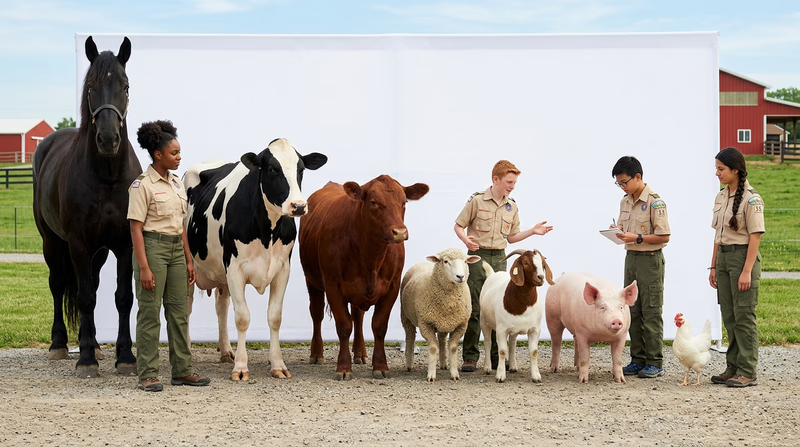
This requirement asks you to survey seven categories of livestock and pick two breeds from each. You need to know what each breed is best at, why farmers choose it, and where it came from. Below is a guide to help you explore each category — but remember, the goal is for you to select the breeds that interest you most and research them.
Horses
Horses have been bred for centuries for specific jobs — speed, strength, endurance, or temperament. When you choose your two horse breeds, think about what makes them different from one another.
Some well-known horse breeds include the Quarter Horse, which originated in the American colonies and is prized for sprinting and cattle work; the Thoroughbred, developed in England for racing; the Arabian, one of the oldest breeds in the world, known for endurance and a distinctive dished face; and the Clydesdale, a Scottish draft breed famous for its size and strength.
Dairy Cattle
Dairy breeds have been selected for high milk production, butterfat content, or both. The Holstein (from the Netherlands) dominates commercial dairy production worldwide, producing more milk per cow than any other breed. The Jersey (from the Isle of Jersey, England) is smaller but produces milk with exceptionally high butterfat content — ideal for cheese and butter. Other dairy breeds include the Guernsey, Brown Swiss, and Ayrshire, each with its own strengths.
Beef Cattle
Beef breeds are selected for growth rate, meat quality, and adaptability to different climates. The Angus (from Scotland) is the most popular beef breed in the United States, prized for its marbling and calving ease. The Hereford (from England) is known for its hardiness and foraging ability on rough pasture. Other important beef breeds include the Charolais (France), Simmental (Switzerland), and Brahman (India), which thrives in hot, humid climates.
Sheep
Sheep breeds fall into three general categories: wool breeds, meat breeds, and dual-purpose breeds. The Merino (from Spain) produces the finest, softest wool in the world. The Suffolk (from England) is a popular meat breed with a black face and fast growth rate. The Dorper (from South Africa) is a hair sheep that sheds its coat and is valued in hot climates. The Rambouillet (from France) is a dual-purpose breed offering both fine wool and good meat production.
Hogs
Hog breeds are selected for lean meat production, litter size, and mothering ability. The Yorkshire (from England) is the most common breed in American pork production, known for large litters and lean meat. The Duroc (from the United States) has a distinctive red color and is valued for fast growth and excellent meat quality. Other notable breeds include the Hampshire, Berkshire, and Landrace.
Poultry
Poultry includes chickens, turkeys, ducks, and more. For chickens, the White Leghorn (from Italy) is the top egg-production breed, laying around 300 white eggs per year. The Cornish Cross is the dominant meat bird (broiler) breed. The Rhode Island Red (from the United States) is a popular dual-purpose breed for both eggs and meat. For turkeys, the Broad Breasted White is the commercial standard.
Goats
Goat breeds are grouped by their primary product: milk, meat, or fiber. The Boer (from South Africa) is the premier meat goat breed, known for rapid growth and muscular build. The Nubian (from England, with African and Middle Eastern ancestry) is a popular dairy breed with long, floppy ears and high-butterfat milk. The Angora (from Turkey) produces mohair, a lustrous fiber, while the Saanen (from Switzerland) is the highest-producing dairy goat breed.
How to Prepare
For your counselor meeting, you will need to name two breeds from each of the seven categories and be ready to discuss:
For Each Breed
Be ready to discuss these points
- Principal uses: What is the breed mainly raised for?
- Merits: What traits make this breed stand out?
- Origin: Where did this breed come from?
Now that you know about the diversity of livestock breeds, let’s look at the diseases that can affect these animals — and how to prevent them.