Req 4 — Animal Management
This requirement brings everything together. You pick one type of animal and explain how to manage it properly — covering six key areas. Think of yourself as the manager of a small operation. What decisions would you need to make every day?
Choosing Your Animal
Pick the animal you are most interested in or have the most access to learn about. If you live near a dairy farm, dairy cattle might be a natural choice. If your family keeps backyard chickens, a poultry flock could be perfect. There is no wrong answer — the important thing is that you can speak knowledgeably about all six management areas.
The Six Pillars of Animal Management
1. Nutritional (Feeding) Concerns
Every animal needs the right balance of energy, protein, vitamins, minerals, and water. What you learned about digestive systems in Requirement 3 directly applies here.
Key questions to consider for your chosen animal:
- What is the primary feed source (forage, grain, mixed ration)?
- How often should the animal be fed?
- How do nutritional needs change with age, pregnancy, or production stage?
- What supplements (salt, minerals, vitamins) are needed?
- How much water does the animal need daily?
2. Housing
Animals need shelter that protects them from extreme weather, predators, and disease while providing adequate space, ventilation, and access to feed and water.
Consider these factors:
- Climate: Does your animal need heating in winter or cooling in summer?
- Space: How much room does each animal need to move, rest, and eat comfortably?
- Ventilation: Proper airflow prevents respiratory disease — especially in enclosed barns.
- Flooring: The right surface prevents injuries and makes waste management easier.
- Access: Can you easily move animals in and out for veterinary care, breeding, or transport?
3. Disease Prevention
Prevention is always better (and cheaper) than treatment. A good health program includes:
- Vaccination schedules tailored to your region and the diseases common to your animal type
- Parasite control through deworming, pasture rotation, and manure management
- Regular health checks to catch problems early — observing animals daily for signs of illness
- Quarantine procedures for new or sick animals
- Record keeping to track vaccinations, treatments, and health events
4. Waste Control and Removal
Livestock produce a lot of waste. A single dairy cow generates about 120 pounds of manure per day. Managing that waste is critical for animal health, environmental protection, and even neighbor relations.
- Collection: How is manure collected — scraped, flushed, or composted in place?
- Storage: Where is waste stored before use or disposal?
- Utilization: Manure is a valuable fertilizer when applied properly to cropland.
- Environmental compliance: Farms must follow regulations to prevent water pollution from runoff.
5. Breeding Programs
Whether you are managing a beef herd, a dairy operation, or a poultry flock, you need a plan for producing the next generation. Breeding programs determine the genetic quality and productivity of your animals over time.
- Goals: What traits are you trying to improve (milk production, growth rate, disease resistance)?
- Methods: Natural mating, artificial insemination (AI), or embryo transfer?
- Records: Pedigree and performance data help you make informed breeding decisions.
- Timing: When should breeding occur to align births with optimal weather and feed availability?
You will explore breeding in much more detail in Requirement 5.
6. Biosecurity
Biosecurity is the set of practices that prevent diseases from entering or spreading within your operation. It is one of the most important — and most overlooked — aspects of animal management.
Biosecurity Basics
Practices every operation should follow
- Control who enters your animal areas — limit visitors and require clean footwear.
- Isolate new animals before mixing them with your herd or flock.
- Clean and disinfect equipment, vehicles, and housing regularly.
- Control pests like rodents, flies, and wild birds that can carry disease.
- Keep feed and water sources clean and protected from contamination.
- Maintain a closed herd or flock when possible — avoid frequent purchases from unknown sources.
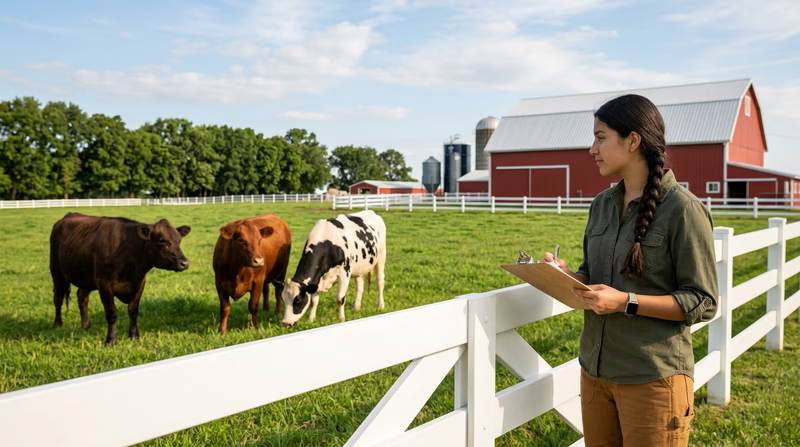
Putting Your Plan Together
When you discuss your management plan with your counselor, organize your thoughts around the six pillars. You do not need to be an expert — but you should show that you understand the key decisions a manager faces and why each area matters.
Penn State Extension — Livestock Management Comprehensive resources on managing beef, dairy, sheep, goats, horses, and poultry from one of the top agricultural universities in the country.Next, you will explore the science of genetics and breeding — how farmers improve their animals from one generation to the next.