Req 1a — Stargazing Hazards
Astronomy takes you outdoors at night — sometimes to remote locations far from streetlights and help. That combination of darkness, unfamiliar terrain, and cold temperatures creates hazards you need to understand before you head out. The good news? Nearly every stargazing hazard is preventable with a little planning.
Planning Your Observation Session
The best way to anticipate hazards is to plan ahead. Before you set up your telescope or lay out your blanket, answer a few basic questions:
- Where will you observe? Is the site flat and clear of tripping hazards? Is it far from roads and traffic?
- What is the weather forecast? Will temperatures drop significantly after sunset? Is rain, fog, or lightning possible?
- Who is going with you? Never observe alone — always use the Buddy System.
- How long will you stay? Longer sessions mean colder temperatures and more fatigue.
- Who knows your plan? Tell a parent or adult leader where you will be and when you expect to return.
Common Stargazing Hazards
Here are the hazards you are most likely to encounter during astronomy activities:
Trips and Falls in the Dark — This is the number one risk for nighttime observers. Your eyes need 20–30 minutes to fully adjust to the dark (called “dark adaptation”), and during that time — and even after — it is easy to trip over uneven ground, tent stakes, equipment cases, or tree roots.
Cold Exposure — Even on a summer night, temperatures can drop sharply after sunset. When you are standing or sitting still for hours, your body loses heat fast. Hypothermia and frostbite are real risks, especially in fall and winter.
Wildlife Encounters — Observing in fields, parks, or wilderness areas means sharing space with animals. Insects like mosquitoes and ticks are the most common concern, but depending on your location you may encounter skunks, snakes, or larger animals.
Eye Damage — If you observe during twilight or at sunrise, you risk looking at the Sun without realizing it. And if you ever observe a solar eclipse, you must use proper solar filters. Unfiltered sunlight through binoculars or a telescope can cause instant, permanent blindness.
Vehicle Hazards — If you set up near a road or parking area, passing headlights can ruin your night vision and vehicles may not see you in the dark.
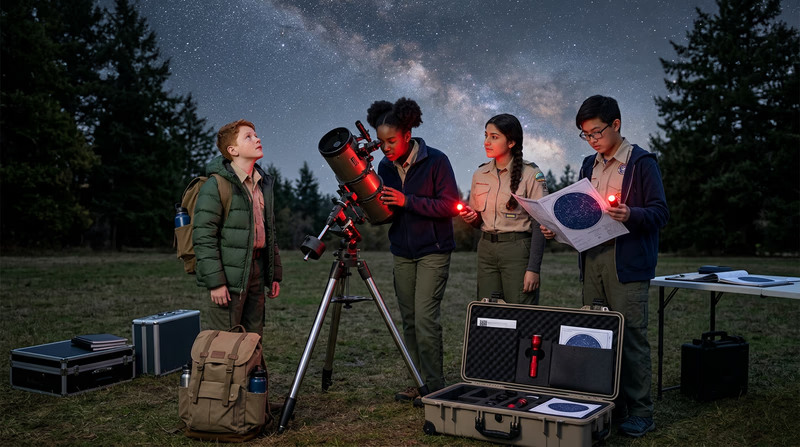
Preventing and Mitigating Hazards
Stargazing Safety Checklist
Review before every observation session
- Scout your site in daylight: Walk the area before dark to spot uneven ground, holes, or obstacles.
- Use red-light flashlights: Red light preserves your night vision while still letting you see the ground. White light destroys dark adaptation.
- Dress in layers: Bring more warm clothing than you think you need. You can always take a layer off.
- Apply insect repellent: Mosquitoes and ticks are active at dusk and throughout the night.
- Bring water and snacks: Dehydration and low blood sugar can make you clumsy and unfocused.
- Keep your gear organized: Lay out telescope cases, tripods, and bags in one area so nobody trips over them.
- Stay away from roads: Set up well away from traffic and wear reflective material if you must be near a road.
- Check weather before you go: Lightning, strong winds, and sudden storms can make outdoor observing dangerous.
Now that you know how to anticipate and prevent hazards, let’s learn what to do if someone gets hurt during an observation session.