Req 1b — First Aid for Observers
Knowing first aid is an essential part of being prepared for any outdoor activity, and stargazing is no exception. Because observation sessions often last several hours in darkness, injuries can sneak up on you. Here is what you need to know about treating the most common problems.
Heat Reactions
Even though most stargazing happens at night, you may set up during warm evenings or attend daytime solar observation events. Heat-related illnesses include:
Heat Exhaustion — Caused by losing too much water and salt through sweating. Signs include heavy sweating, cool and clammy skin, nausea, dizziness, and a fast but weak pulse.
- Move the person to a cool, shaded area.
- Have them lie down and elevate their feet slightly.
- Loosen tight clothing and apply cool, wet cloths to the skin.
- Give small sips of water if the person is conscious and not vomiting.
- If symptoms do not improve within 15 minutes, call for emergency help.
Heat Stroke — A life-threatening emergency. The body’s cooling system has failed. Signs include hot, red, dry skin (no sweating), a high body temperature (above 103°F), confusion, and loss of consciousness.
- Call 911 immediately.
- Move the person to the coolest area available.
- Cool them rapidly with any method available — wet sheets, cold water, fanning.
- Do NOT give them anything to drink.
Cold Reactions
Cold is the more common threat for astronomers. Standing or sitting still on a cold night causes your body to lose heat steadily.
Hypothermia — Occurs when your body temperature drops below 95°F. Early signs include uncontrollable shivering, slurred speech, clumsiness, and confusion. As it progresses, shivering may stop and the person may become drowsy.
- Move the person to a warm shelter or out of the wind.
- Remove any wet clothing and replace it with dry layers.
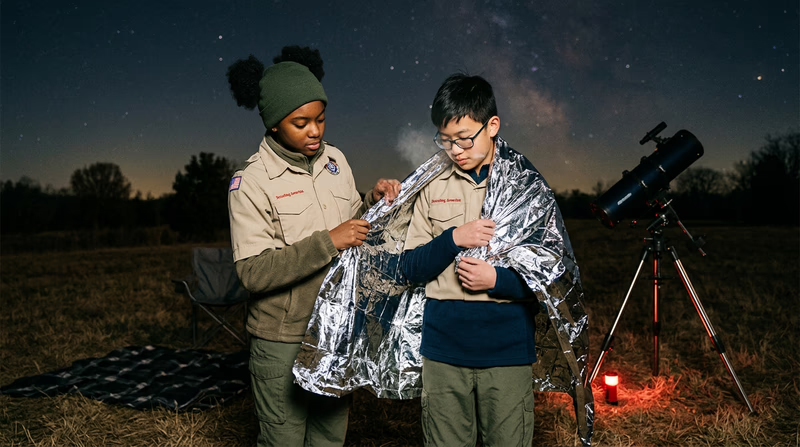
- Wrap them in blankets, sleeping bags, or emergency blankets.
- Give warm (not hot) drinks if they are conscious and alert.
- If symptoms are severe, call for emergency help.
Frostbite — Occurs when skin and tissue freeze, most commonly on fingers, toes, ears, and the nose. Signs include numbness, white or grayish-yellow skin, and skin that feels unusually firm or waxy.
- Move to a warm area and do not rub the affected skin.
- Warm the area gently using body heat (tuck fingers into your armpits) or warm water (100–104°F).
- Do not use direct heat like a campfire or heating pad.
- Seek medical attention for severe cases.
Dehydration
Dehydration happens when your body loses more fluids than it takes in. You may not feel thirsty on a cool night, but your body is still losing water through breathing and perspiration.
Signs of dehydration include thirst, dry mouth, dark-colored urine, headache, dizziness, and fatigue.
- Give the person small, frequent sips of water.
- Rest in a comfortable position.
- Avoid caffeine, which can increase fluid loss.
- If the person cannot keep fluids down or shows signs of severe dehydration (rapid heartbeat, confusion, fainting), seek medical help.
Bites and Stings
Outdoor observation sites are home to insects and other creatures that may bite or sting.
Mosquito and Tick Bites — Apply insect repellent before your session. After returning indoors, do a thorough tick check — pay special attention to your hairline, behind your ears, and around your waistband. If you find an attached tick, remove it with fine-tipped tweezers by grasping it close to the skin and pulling straight out with steady pressure.
Bee, Wasp, and Hornet Stings — If stung, scrape the stinger out with a flat edge (like a credit card) rather than squeezing it. Wash the area with soap and water. Apply a cold pack to reduce swelling.
Spider and Snake Bites — Stay calm. Note what the creature looked like if possible. Clean the wound and seek medical attention, especially if you suspect a venomous species.
Eye Damage
Your eyes are your most important astronomical instruments, and protecting them is critical.
Solar Eye Injury (Solar Retinopathy) — Looking at the Sun, even briefly, through binoculars or a telescope without a proper solar filter can burn the retina and cause permanent vision loss. Symptoms may not appear immediately but can include blurry vision, a dark spot in the center of your vision, and sensitivity to light.
- If someone complains of vision changes after looking at the Sun, seek medical attention immediately.
- There is no first aid you can perform for retinal burns — a doctor must evaluate the damage.
- Prevention is the only real treatment. Always use certified solar filters (ISO 12312-2 for eclipse glasses, or dedicated telescope solar filters).
Flash Blindness — A sudden bright light (like a car headlight or camera flash) can temporarily blind dark-adapted eyes. This is not permanent, but it can be disorienting and dangerous if you are near a cliff edge or uneven terrain.
- Close your eyes and wait. Vision usually returns within a few minutes.
- Sit down to avoid falling while your vision recovers.
Ready to learn what to wear for your nighttime observations? Let’s talk about clothing and precautions.