Req 1c — Clothing & Night Precautions
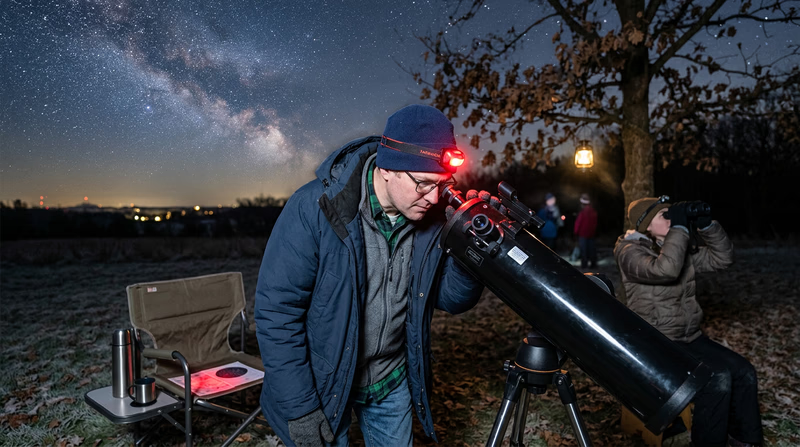
When you are stargazing, you are not hiking or running — you are standing or sitting still for long periods. That makes a huge difference in how cold you get. A temperature that feels comfortable while you are walking can feel freezing when you have been motionless for an hour. Dressing properly and taking smart precautions will keep you comfortable so you can focus on the sky instead of your shivering.
The Layering System for Astronomers
The layering system used by hikers and campers works perfectly for stargazing, but with one key difference: you need more insulation than you think because you are not generating body heat through movement.
Base Layer (Next to Skin) — Wear moisture-wicking fabric like merino wool or synthetic polyester. This layer pulls sweat away from your skin so you do not get chilled. Avoid cotton — once it gets damp, it stays damp and makes you colder.
Mid Layer (Insulation) — A fleece jacket, down vest, or insulated sweater traps your body heat. On very cold nights, consider wearing two mid layers. A puffy down jacket is excellent for standing still at the eyepiece.
Outer Layer (Shell) — A windproof and water-resistant jacket blocks wind chill and keeps moisture out. Even if rain is not in the forecast, dew can soak your outer clothing during long sessions.
Cold-Weather Stargazing Gear
What to wear and bring for nighttime observations
- Warm hat or beanie: You lose significant heat through your head. A hat with ear coverage is best.
- Insulated gloves or mittens: Fingerless gloves or “flip-top” mittens let you adjust telescope controls without freezing.
- Warm socks (wool or synthetic): Bring an extra pair in case your feet get damp. Double up on very cold nights.
- Insulated boots: Standing on cold ground pulls heat from your feet. Boots with thick soles insulate you from the ground.
- Neck gaiter or scarf: Seals the gap between your jacket and hat where heat escapes.
- Hand and toe warmers: Chemical warmers are inexpensive and can make the difference between comfort and misery.
Nighttime Precautions Beyond Clothing
Staying warm is important, but there are several other precautions that will make your nighttime observation sessions safer and more enjoyable.
Protect Your Night Vision — Your eyes need 20–30 minutes to fully adapt to the dark. Once adapted, you can see far more stars and detail. Protect this adaptation by using only red-light flashlights and avoiding phone screens (or use a red-filter app). If you must use a white light, close one eye to preserve at least partial adaptation.
Bring a Ground Cover or Chair — Sitting or lying directly on cold or damp ground pulls heat from your body fast. A foam pad, folding camp chair, or even a piece of cardboard under your feet provides insulation from the ground.
Stay Fueled — Warm (non-caffeinated) drinks in a thermos and high-energy snacks help your body produce heat. Trail mix, granola bars, and hot cocoa are stargazing staples.
Watch Your Footing — Dew makes grass and rocks slippery after dark. Walk slowly and deliberately. Keep pathways to and from your observing area clear of equipment and cables.
Warm-Weather Nighttime Precautions
Not all stargazing happens in the cold. Summer nights bring their own challenges:
- Insect protection: Apply repellent and consider wearing long sleeves and pants to reduce exposed skin.
- Hydration: Bring plenty of water even on warm nights. Dehydration creeps up when you are focused on the sky.
- Sudden storms: Summer weather can change quickly. Watch for building clouds and distant lightning, and have a plan to pack up and move to shelter.
Now that you know how to dress and prepare for nighttime observing, let’s tackle the most important safety topic in astronomy — how to safely observe the Sun.