Req 1a — Safety Hazards
Before you step onto any field, court, track, or pool deck, you need to know what can go wrong — and how to keep it from happening. The best athletes do not just train hard. They train smart, which means understanding the risks of their sport and preparing for them.
Anticipate: See It Coming
Anticipating a hazard means thinking about what could happen before it does. Every athletic activity has its own set of risks, and recognizing them ahead of time is your first line of defense.
Common hazards in athletics include:
- Muscle and joint injuries — Sprains, strains, and pulled muscles happen when you push too hard, skip your warm-up, or use improper form.
- Heat-related illness — Dehydration, heat cramps, heat exhaustion, and heat stroke are serious risks during outdoor training in warm weather.
- Concussions — A blow to the head or a hard fall can cause a concussion, which is a brain injury that needs immediate attention.
- Overuse injuries — Doing the same motion too many times without rest (like throwing, running, or swimming) can lead to stress fractures, tendinitis, and other chronic problems.
- Environmental hazards — Wet surfaces, uneven ground, extreme temperatures, lightning, and poor lighting all increase the chance of getting hurt.
Prevent: Stop It Before It Starts
Prevention is about taking action so hazards never become injuries. Here are the most important prevention strategies for any athlete:
Injury Prevention Basics
Habits that keep you in the game
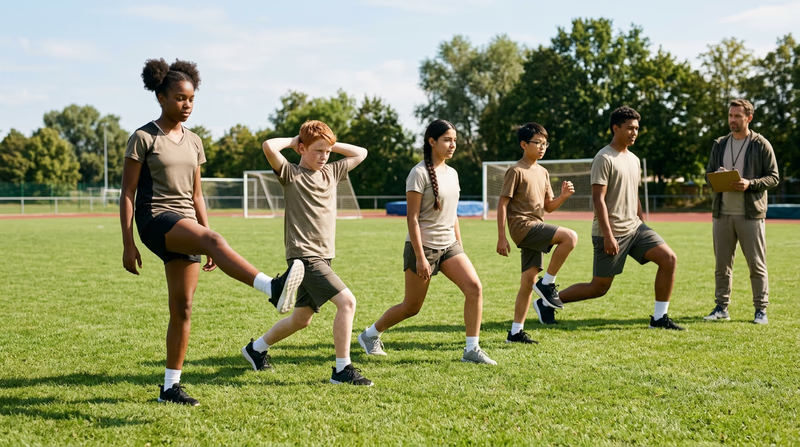
- Warm up before every session: Light jogging, dynamic stretches, and sport-specific movements prepare your muscles and joints.
- Use proper form: Whether you are lifting, running, or throwing, correct technique protects your body from unnecessary stress.
- Wear the right gear: Shoes that fit, protective equipment that meets standards, and clothing appropriate for the weather.
- Stay hydrated: Drink water before, during, and after activity — do not wait until you feel thirsty.
- Rest and recover: Your body gets stronger during rest, not during training. Take rest days seriously.
- Know the rules: Many rules in sports exist specifically to prevent injuries. Following them protects you and everyone around you.
Mitigate: Make It Less Severe
Sometimes, despite your best efforts, things go wrong. Mitigation means reducing the severity of a bad situation. In athletics, that looks like this:
- Proper playing surfaces — A well-maintained field with no holes, ruts, or debris reduces the chance of a twisted ankle.
- Spotters and buddies — In weight training, a spotter can catch the bar if you fail a rep. In swimming, a buddy watches your back.
- Padded equipment — Helmets, shin guards, mouth guards, and padded mats absorb impacts so your body does not have to.
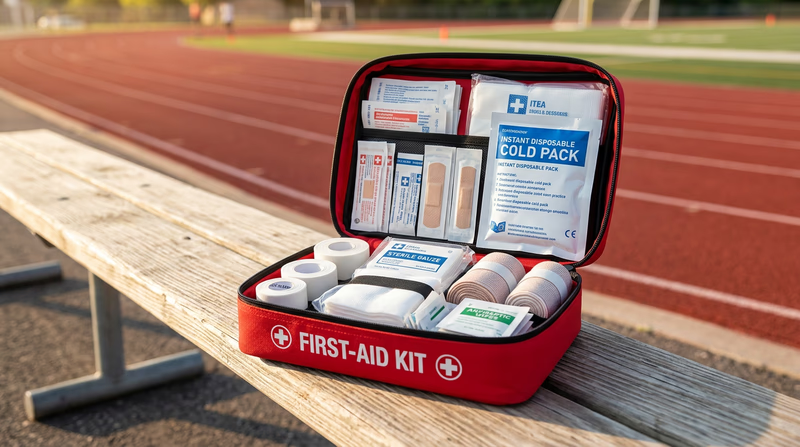
- Emergency planning — Know where the first-aid kit is. Know who has a phone. Know the address of your training location in case you need to call 911.
Respond: Act When It Happens
When an injury does occur, how you respond in the first few minutes can make a huge difference. The basics of emergency response apply to every sport:
- Stop the activity. Make sure the scene is safe for you and the injured person.
- Assess the injury. Is the person conscious? Breathing? Can they move the injured area?
- Call for help. If the injury is serious — head injury, broken bone, difficulty breathing, or severe bleeding — call 911 immediately.
- Provide first aid. Use what you know and what is in your first-aid kit. The next page covers specific first-aid techniques for common athletic injuries.
- Do not move the person if you suspect a neck, back, or head injury. Wait for trained medical help.