Req 1b — First Aid for Athletes
Knowing first aid is not optional for an athlete — it is part of being prepared. This page walks through each of the injuries and illnesses listed in the requirement so you understand what they are, how to recognize them, and what to do when they happen.
Sprains
A sprain is a stretch or tear of a ligament — the tough band of tissue that connects bones at a joint. Ankle sprains are the most common in athletics, but wrists, knees, and fingers are also vulnerable.
Signs: Swelling, bruising, pain at the joint, difficulty moving the joint.
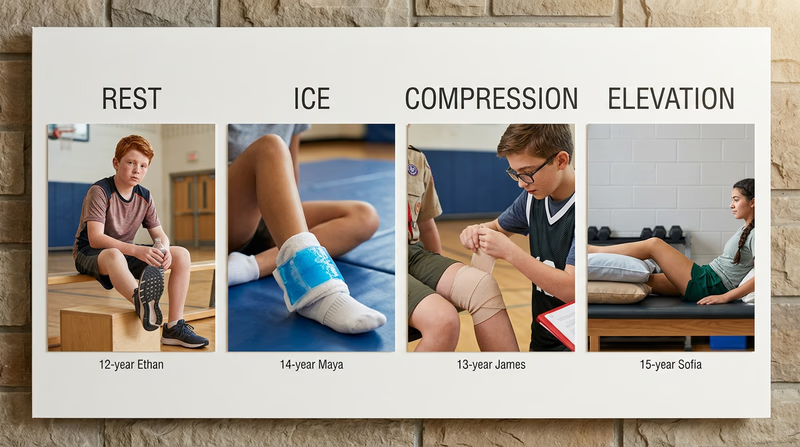
First aid: Use the RICE method:
- Rest — Stop using the injured area immediately.
- Ice — Apply a cold pack wrapped in a cloth for 15–20 minutes at a time.
- Compression — Wrap the area with an elastic bandage to reduce swelling (not too tight!).
- Elevation — Raise the injured area above the level of the heart to help fluid drain away.
Strains
A strain is a stretch or tear of a muscle or tendon (the cord that attaches muscle to bone). Hamstring and back strains are especially common in running and jumping sports.
Signs: Pain, muscle spasms, swelling, limited ability to move the muscle.
First aid: The same RICE method applies. Strains and sprains are treated very similarly in the field. If pain is severe or the athlete cannot bear weight, seek medical attention.
Contusions (Bruises)
A contusion is a bruise caused by a direct blow that damages blood vessels under the skin without breaking the skin itself. In athletics, contusions are common from collisions, falls, or being struck by a ball.
Signs: Discoloration (red, purple, or blue), swelling, tenderness at the impact site.
First aid: Apply ice wrapped in a cloth for 15–20 minutes. If the bruise is on a limb, elevate it. Most contusions heal on their own, but a very deep bruise on a muscle (sometimes called a “charley horse”) may need medical evaluation.
Abrasions (Scrapes)
An abrasion is a scrape or graze where the outer layers of skin are rubbed or torn away. Sliding on a track, diving for a ball, or falling on artificial turf can all cause abrasions.
Signs: Raw, reddened skin that may bleed lightly. Often stings more than it bleeds.
First aid:
- Clean the wound gently with clean water to remove dirt and debris.
- Apply antibiotic ointment to help prevent infection.
- Cover with an adhesive bandage or sterile gauze pad.
- Change the dressing daily and watch for signs of infection (increasing redness, warmth, pus, or red streaks).
Blisters
A blister is a fluid-filled pocket that forms when skin is repeatedly rubbed — usually by shoes, grips, or equipment that does not fit properly.
Signs: A raised area of skin filled with clear fluid. Hot spots (areas of redness and warmth) are the warning sign that a blister is forming.
First aid:
- Hot spots (pre-blisters): Cover immediately with moleskin or athletic tape to reduce friction.
- Intact blisters: Do not pop them. The fluid inside protects the new skin forming underneath. Cover with a donut-shaped pad of moleskin to relieve pressure.
- Popped blisters: Clean the area, apply antibiotic ointment, and cover with a sterile bandage. Watch for infection.
Dehydration
Dehydration happens when your body loses more fluid than it takes in. During athletic activity, you lose water and electrolytes through sweat. If you do not replace them, your performance drops and your health is at risk.
Signs: Thirst, dry mouth, dark yellow urine, headache, dizziness, fatigue, muscle cramps.
First aid:
- Move the person to a cool, shaded area.
- Have them drink water or a sports drink with electrolytes in small, frequent sips.
- If the person is confused, vomiting, or cannot keep fluids down, call 911 — this could be a sign of heat stroke.
Heat Reactions
Heat-related illnesses are a spectrum that gets progressively more dangerous:
Heat cramps — Painful muscle spasms, usually in the legs or abdomen, caused by loss of electrolytes through sweat.
- First aid: Rest in a cool place, drink fluids with electrolytes, gently stretch the cramping muscle.
Heat exhaustion — The body is overheating and struggling to cool itself.
- Signs: Heavy sweating, cool/clammy skin, fast pulse, nausea, headache, dizziness, weakness.
- First aid: Move to a cool area, loosen clothing, apply cool wet cloths, sip water. If symptoms do not improve within 15 minutes or get worse, call 911.
Heat stroke — A life-threatening emergency. The body’s temperature regulation system has failed.
- Signs: High body temperature (103°F or higher), hot/red/dry skin (sweating may have stopped), rapid strong pulse, confusion, loss of consciousness.
- First aid: Call 911 immediately. Move the person to a cool area and try to lower their temperature with cold water, ice packs on the neck, armpits, and groin, or any cooling method available. Do not give fluids if the person is confused or unconscious.
Concussions
A concussion is a traumatic brain injury caused by a bump, blow, or jolt to the head — or by a hit to the body that causes the head and brain to move rapidly back and forth. Concussions are serious and require medical attention.
Signs (may appear immediately or hours later):
- Headache or pressure in the head
- Confusion, feeling “foggy” or “not right”
- Dizziness, balance problems
- Nausea or vomiting
- Sensitivity to light or noise
- Memory problems (not remembering the play or event)
- Loss of consciousness (even briefly)
First aid:
- Remove the athlete from play immediately. They must not return to activity that day.
- Seek medical evaluation — a doctor should clear them before they return to any physical activity.
- Monitor for worsening symptoms. If the person becomes increasingly confused, has repeated vomiting, seizures, or loses consciousness, call 911.
Your Athletic First-Aid Kit
In addition to a standard Scout first-aid kit, athletes should carry a few extra items:
Athletic First-Aid Additions
Items to add for sports activities
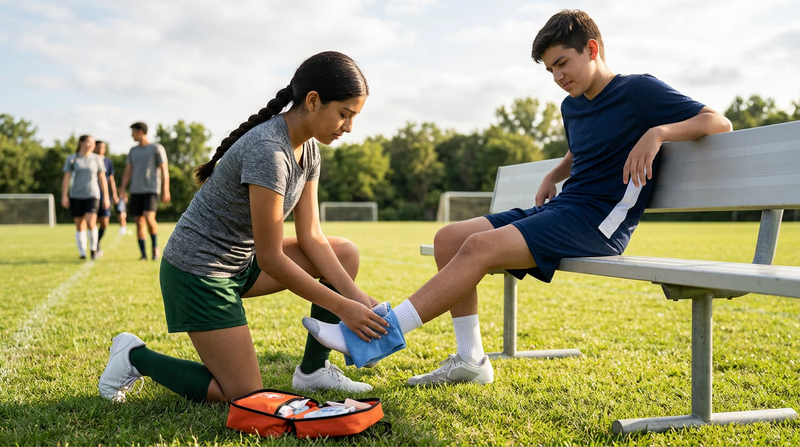
- Instant cold packs: For immediate icing of sprains, strains, and contusions.
- Elastic bandages: For compression wraps on joints and muscles.
- Moleskin and athletic tape: For blisters and hot spots.
- Electrolyte packets: To mix into water for treating dehydration and heat cramps.
- SAM splint or finger splints: For stabilizing suspected fractures until medical help arrives.