Req 2b — Healthy Habits
Great athletic performance does not come from training alone. What you do in the other 22 hours of the day — how you sleep, how you recover, and what you put into your body — has a massive impact on how well you perform and how quickly you improve.
The Pillars of Healthy Training Habits
Sleep
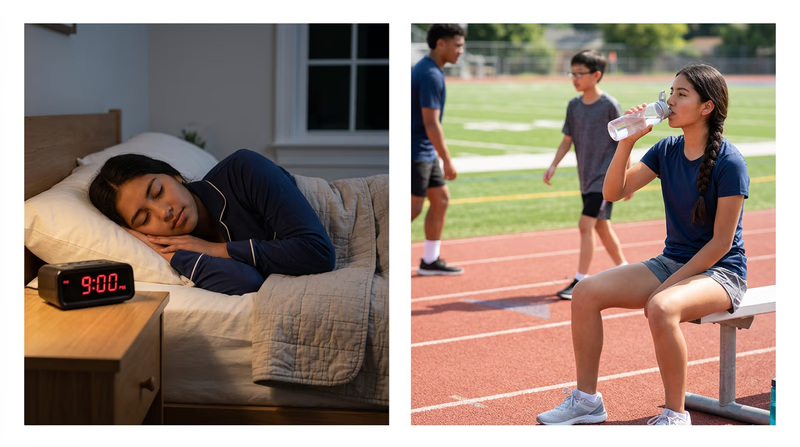
Sleep is when your body does its most important repair work. During deep sleep, your muscles rebuild, your brain processes what you learned during practice, and your immune system recharges. Cutting sleep short is like leaving the gym halfway through your workout — you miss the most important part.
- How much? Teenagers need 8–10 hours of sleep per night. Athletes in heavy training may need even more.
- Quality matters: A dark, cool, quiet room and a consistent bedtime make a big difference. Avoid screens for at least 30 minutes before bed — the blue light interferes with your body’s sleep signals.
Hydration
Water makes up about 60% of your body weight and is involved in every bodily function. Even mild dehydration — losing just 2% of your body weight in fluid — can reduce your strength, speed, and endurance noticeably.
- Daily baseline: Aim for at least 8 cups (64 ounces) of water per day, more on training days.
- During exercise: Drink 7–10 ounces every 10–20 minutes of activity.
- After exercise: Replace fluids lost through sweat. A sports drink with electrolytes helps after intense sessions lasting more than 60 minutes.
Rest and Recovery
Your body gets stronger during rest, not during exercise. Training creates small amounts of stress and damage in your muscles. Rest days give your body time to repair that damage and come back stronger. Skipping rest leads to overtraining, which causes fatigue, poor performance, and a higher risk of injury.
Hygiene
Athletes share equipment, locker rooms, and playing surfaces. Good hygiene prevents the spread of skin infections like staph, ringworm, and athlete’s foot.
- Shower after every practice or game.
- Wash your workout clothes after each use.
- Never share towels, razors, or water bottles.
- Clean and cover any cuts or scrapes before practicing.
Harmful Substances and Athletic Performance
The requirement asks you to understand how tobacco, alcohol, and other harmful substances hurt both your health and your game. Here is what the science says.
Tobacco Products
Tobacco — whether smoked, chewed, or vaped — is one of the worst things you can do to an athletic body.
- Lungs: Smoking damages your airways and reduces your lung capacity. That means less oxygen reaches your muscles, which kills your endurance.
- Heart: Nicotine raises your heart rate and blood pressure, making your cardiovascular system work harder for less output.
- Recovery: Smoking slows wound healing and increases the time it takes to recover from injuries.
- Vaping: E-cigarettes still deliver nicotine and can contain chemicals that damage lung tissue. “It’s not smoke” does not mean “it’s safe.”
Alcohol
Alcohol impairs virtually every aspect of athletic performance:
- Coordination and reaction time: Even small amounts of alcohol slow your reflexes and impair your balance — the exact skills athletes depend on.
- Muscle recovery: Alcohol interferes with protein synthesis, the process your muscles use to repair and grow after training.
- Dehydration: Alcohol is a diuretic, meaning it causes your body to lose water. This compounds the dehydration you already experience from training.
- Sleep quality: While alcohol may make you feel sleepy, it disrupts the deep, restorative sleep stages your body needs most.
- Decision-making: Impaired judgment leads to risky behavior, both on and off the field.
Other Harmful Substances
- Performance-enhancing drugs (PEDs): Steroids and other PEDs may seem like a shortcut, but they carry severe health risks including liver damage, heart problems, hormonal imbalances, and mental health issues. They are also banned in virtually all organized sports and are illegal without a prescription.
- Recreational drugs: Marijuana, stimulants, and other drugs impair reaction time, judgment, and motivation. They can also lead to disqualification from competition and legal trouble.
- Energy drinks with excessive caffeine: While moderate caffeine is generally safe for older teens, high doses can cause rapid heartbeat, anxiety, dehydration, and in rare cases, cardiac events during intense exercise.
The Scout Oath Connection
The Scout Oath includes the promise to keep yourself “physically strong, mentally awake, and morally straight.” Avoiding harmful substances is one of the most direct ways to live up to that promise. Your body is the only one you get — taking care of it is not just good athletics, it is good Scouting.
CDC — Health Effects of Cigarette Smoking Detailed information on how tobacco use damages every system in the body.