Req 6 — Coolant & Cooling
An internal combustion engine generates tremendous heat — combustion temperatures inside the cylinders can exceed 4,000°F. Without a cooling system to carry that heat away, the engine would warp, crack, and fail within minutes. The cooling system is what keeps the engine operating in its ideal temperature range of about 195°F to 220°F.
Why Plain Water Is Not Enough
Water is actually an excellent coolant — it absorbs heat very well. But water alone has two big problems:
- It freezes at 32°F. Frozen water expands and can crack the engine block, radiator, and hoses.
- It boils at 212°F. Engine operating temperatures can exceed this, especially under load.
Coolant (also called antifreeze) is a mixture of water and ethylene glycol (or sometimes propylene glycol). This mixture:
- Lowers the freezing point to as cold as -35°F or colder
- Raises the boiling point to about 265°F (even higher with the system under pressure)
- Contains corrosion inhibitors that protect the metal and rubber components inside the cooling system
The standard mix is 50/50 — equal parts coolant concentrate and distilled water. Some coolant is sold pre-mixed; others require you to mix it yourself.
Choosing the Correct Coolant Type
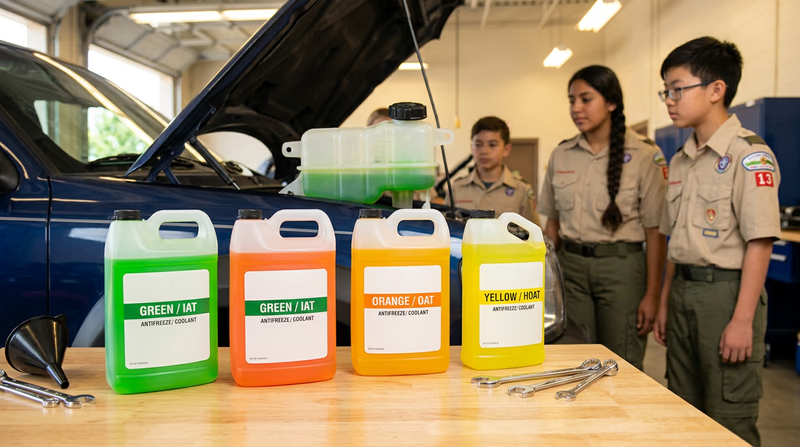
Not all coolants are the same. Different vehicles require different formulations, and mixing the wrong types can cause damage.
| Coolant Type | Color | Typical Use |
|---|---|---|
| IAT (Inorganic Acid Technology) | Green | Older American vehicles |
| OAT (Organic Acid Technology) | Orange or dark green | GM, Saab, VW |
| HOAT (Hybrid OAT) | Yellow, turquoise, pink, blue | Chrysler, Ford, many European and Asian vehicles |
Why Coolant Needs to Be Changed
Over time, coolant breaks down. The corrosion inhibitors wear out, the pH level drops (becoming more acidic), and contaminants accumulate. Old coolant can:
- Allow corrosion of the radiator, heater core, and engine water passages
- Become less effective at preventing freezing and boiling
- Form deposits that restrict coolant flow
Most manufacturers recommend a coolant flush every 30,000 to 60,000 miles or every 3 to 5 years, depending on the coolant type.
How a Coolant Flush Works
A coolant flush is the process of draining the old coolant, cleaning the system, and refilling it with fresh coolant. Here is the general process:
Coolant Flush Steps
General procedure (always consult the vehicle's owner's manual)
- Allow the engine to cool completely. Never open the cooling system when hot.
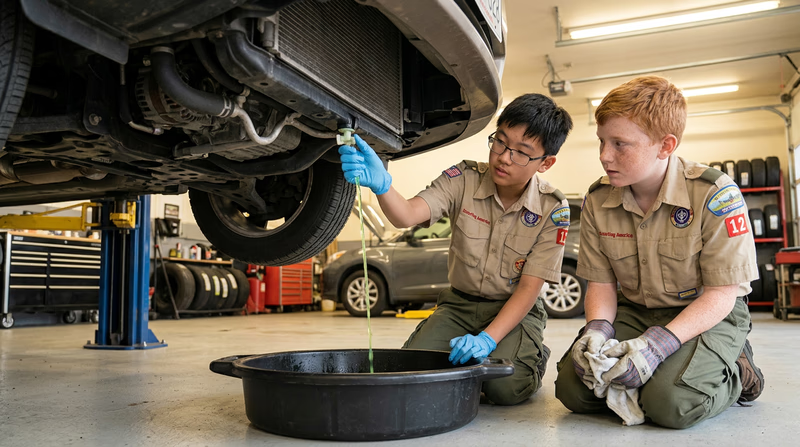
- Place a drain pan under the radiator drain valve (petcock), located at the bottom of the radiator.
- Open the petcock and allow the old coolant to drain completely into the pan.
- Close the petcock and fill the system with distilled water. Run the engine until it reaches operating temperature, then let it cool and drain again. This flushes out remaining old coolant and debris.
- Close the petcock and fill the system with the correct type of coolant at the proper mixture ratio (usually 50/50).
- Start the engine and check for leaks. Top off the coolant reservoir after the engine reaches operating temperature and the thermostat opens.
- Check the coolant level again after the vehicle has cooled down. Air bubbles may have escaped, lowering the level.
Disposing of Used Coolant
- Auto parts stores (AutoZone, O’Reilly, NAPA) — Many accept used coolant at no charge.
- Municipal hazardous waste facilities — Your local government likely has a drop-off site for automotive fluids.
- Service shops — If you have a coolant flush done professionally, the shop handles disposal.
Keep used coolant in a sealed, labeled container until you can dispose of it. Never mix used coolant with used oil — they must be recycled separately.