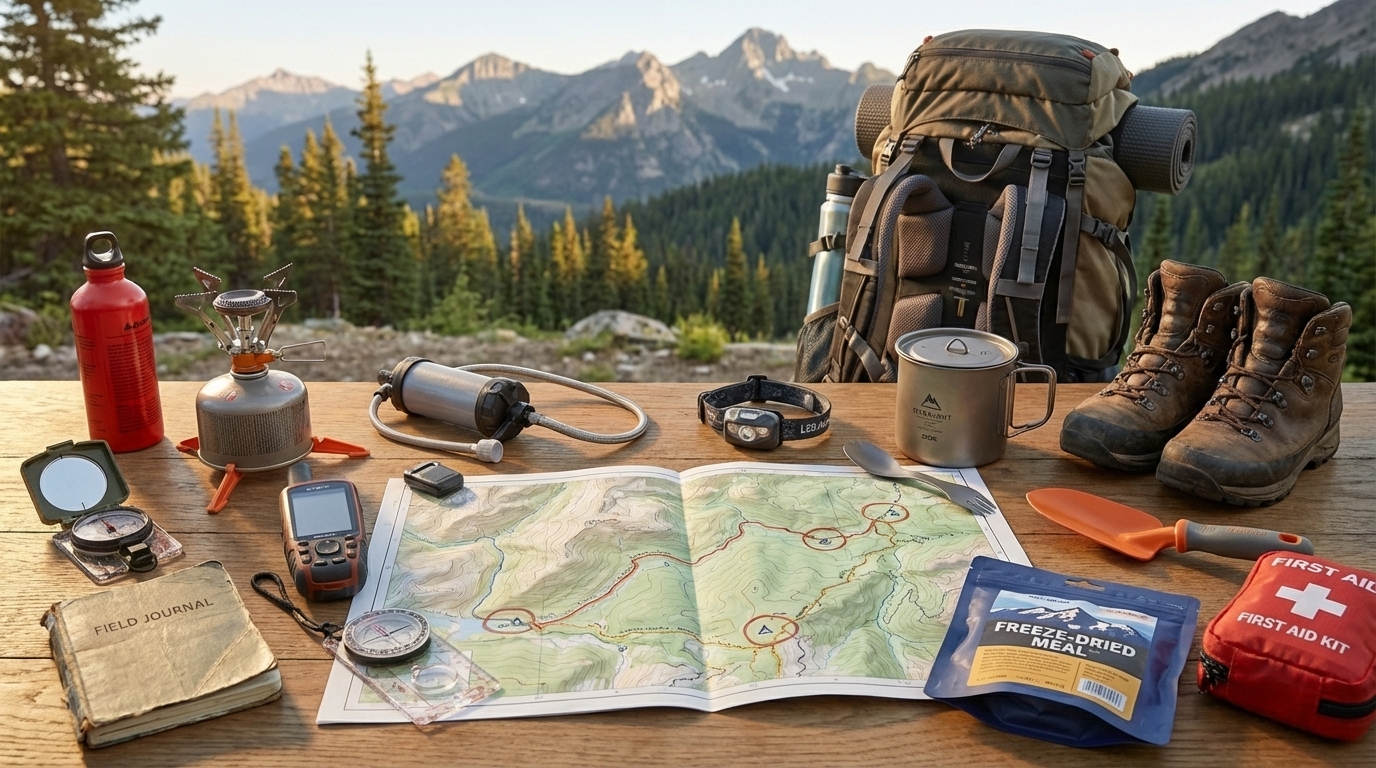
 Getting Started
Introduction & Overview
Backpacking is hiking with a purpose — everything you need to eat, sleep, and survive rides on your back. No car waiting at the trailhead, no cabin at the end of the day. Just you, your crew, and the wilderness. It is one of the most challenging and rewarding experiences in Scouting, and earning this merit badge will prove you have the skills to thrive in the backcountry.
This guide will walk you through every requirement, from treating blisters to planning a five-day trek across rugged terrain. By the end, you will be ready to shoulder your pack and hit the trail with confidence.
Then and Now
Then — Carrying Everything on Your Back
Humans have been carrying loads on their backs for thousands of years. Indigenous peoples across every continent used woven baskets, animal-skin bundles, and wooden frames to transport food, tools, and trade goods across mountains and deserts. European explorers and fur trappers in the 1700s and 1800s hauled enormous loads through uncharted wilderness — sometimes 80 pounds or more — using crude leather packs and sheer determination.
- Purpose: Survival, trade, exploration, military campaigns
- Gear: Heavy canvas, wool blankets, cast-iron cookware, no synthetic fabrics
- Mindset: Get through the wilderness alive — comfort was a luxury
Now — The Science of Going Light
Modern backpacking is a blend of adventure and engineering. Today’s packs use lightweight aluminum frames and breathable mesh. Sleeping bags weigh under two pounds. Water filters fit in the palm of your hand. The “ultralight” movement has pushed base pack weights below ten pounds — something a fur trapper would find unbelievable.
- Purpose: Recreation, challenge, connection with nature, personal growth
- Gear: Ultralight fabrics, titanium cookware, GPS devices, freeze-dried meals
- Mindset: Go far, go light, leave no trace
Get Ready! You are about to learn skills that will take you deep into the wilderness and bring you back safely. Backpacking builds strength, self-reliance, and friendships that last a lifetime. Let’s get started!
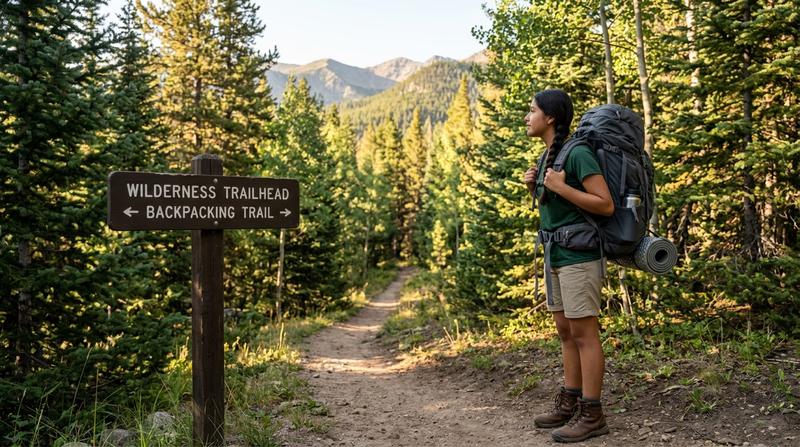
Kinds of Backpacking
Backpacking takes many forms. Understanding the different styles will help you decide what kind of adventures you want to pursue — and how to prepare for them.
Weekend Backpacking
This is where most backpackers start. You head out on a Friday or Saturday, hike to a campsite, spend one or two nights, and hike back out. Weekend trips are perfect for building skills, testing gear, and getting comfortable sleeping under the stars. Most of your Backpacking merit badge treks will be this style.
Thru-Hiking
Thru-hiking means walking an entire long-distance trail from end to end in a single continuous journey. The most famous thru-hikes in the United States are the Appalachian Trail (2,190 miles), the Pacific Crest Trail (2,650 miles), and the Continental Divide Trail (3,100 miles). These epic adventures take months and push hikers to their physical and mental limits.
Ultralight Backpacking
Ultralight backpackers obsess over every ounce. They cut the handles off their toothbrushes, trim the margins off their maps, and choose gear made from the lightest possible materials. The goal is a base pack weight (everything except food, water, and fuel) under ten pounds. Going lighter means you can cover more miles with less fatigue — but it requires careful planning and trade-offs.
Winter & Alpine Backpacking
When snow covers the trails and temperatures drop below freezing, backpacking becomes a completely different challenge. Winter backpackers carry heavier sleeping bags, insulated pads, and stoves that work in extreme cold. Alpine backpacking takes you above the tree line into high-altitude terrain where weather can change in minutes.
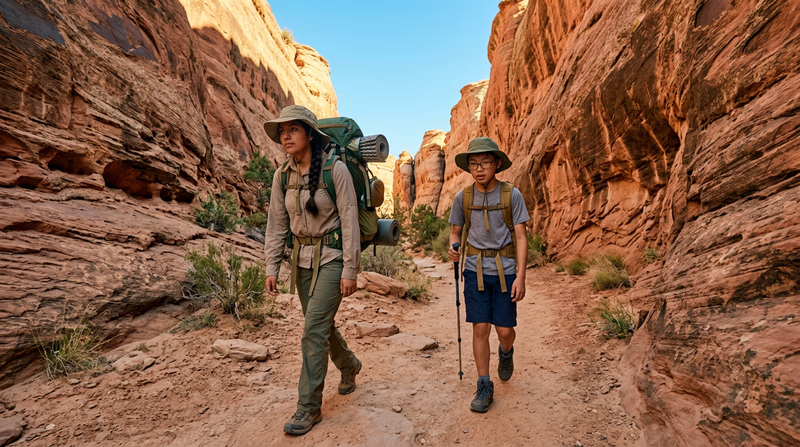
Desert Backpacking
Desert backpacking trades lush forests for vast open landscapes — canyons, mesas, sand dunes, and star-filled skies. Water is the biggest challenge. You may need to carry several liters between water sources, and shade is almost nonexistent during the day.
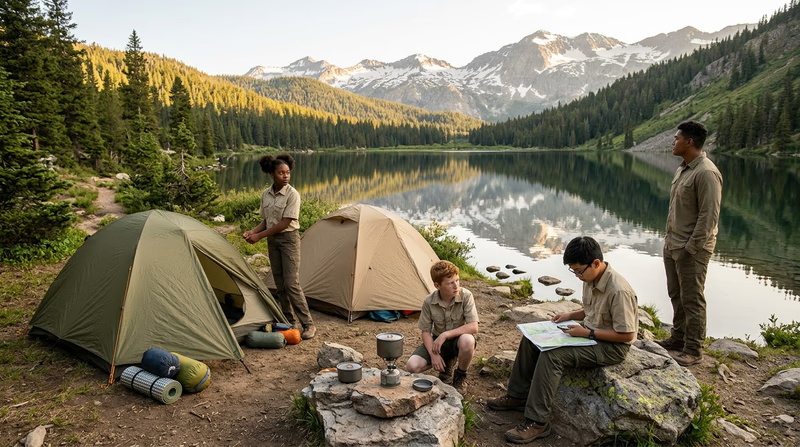
Base Camp Backpacking
With base camp backpacking, you hike to a central location, set up camp, and then take day hikes to explore the surrounding area. This style lets you cover more ground without carrying your full pack every day. It is a great strategy for exploring areas with lots of side trails, peaks, or lakes.
Now that you know the many ways to explore the backcountry, let’s dive into the skills you will need. First up: staying healthy on the trail.