Req 1 — Trail Health & First Aid
When you are miles from the nearest road, your body is your most important piece of gear. Knowing how to prevent common health problems — and how to treat them when they happen — can make the difference between a great trek and a dangerous situation. Let’s walk through each health concern you need to understand.
Hypothermia
Hypothermia happens when your body loses heat faster than it can produce it, and your core temperature drops below normal. It does not have to be freezing outside — hypothermia can strike in temperatures as warm as 50°F if you are wet and exposed to wind.
Prevention:
- Dress in layers using moisture-wicking fabrics (never cotton)
- Stay dry — change out of wet clothes immediately
- Eat high-energy foods and drink warm fluids to fuel your body’s heat production
- Watch for early signs in yourself and your crew: shivering, confusion, fumbling hands
Treatment:
- Get the person out of the wind and rain
- Remove wet clothing and replace with dry layers
- Wrap them in a sleeping bag or emergency blanket
- Give warm (not hot) liquids if they are alert and can swallow
- In severe cases, use skin-to-skin contact inside a sleeping bag
Heat Reactions
On the other end of the thermometer, heat can be just as dangerous. There are three levels of heat illness:
- Heat cramps — painful muscle cramps caused by losing salt through sweat. Move to shade, drink water with electrolytes, and gently stretch the affected muscles.
- Heat exhaustion — heavy sweating, weakness, nausea, dizziness, and cool/clammy skin. Stop hiking, move to shade, loosen clothing, and drink cool water. Apply cool, wet cloths to the skin.
- Heat stroke — the most dangerous stage. The body stops sweating, skin becomes hot and red, and the person may become confused or unconscious. This is a life-threatening emergency. Cool the person as quickly as possible and get emergency medical help.
Prevention:
- Hike during the cooler parts of the day (early morning and late afternoon)
- Wear light-colored, loose-fitting clothing
- Drink water before you feel thirsty — by the time you are thirsty, you are already dehydrated
- Take breaks in the shade
Frostbite
Frostbite occurs when skin and underlying tissue freeze, usually affecting fingers, toes, ears, and the nose. The skin turns white or grayish-yellow, feels waxy, and may become numb.
Prevention:
- Wear insulated, waterproof gloves and boots
- Keep extremities dry — moisture accelerates heat loss
- Wiggle your fingers and toes regularly to keep blood flowing
- Cover exposed skin when wind chill is severe
Treatment:
- Get to shelter and warmth
- Do not rub the affected area — this damages frozen tissue
- Warm the area gradually by immersing in warm (not hot) water, around 104°F
- Do not rewarm if there is a chance of refreezing — refreezing causes far worse damage
Dehydration
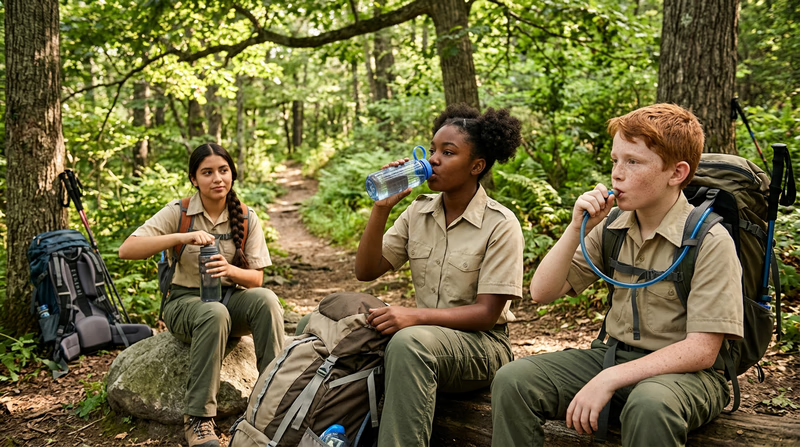
Your body needs water to regulate temperature, digest food, and keep your muscles working. When you lose more fluid than you take in, dehydration sets in. Symptoms include dark urine, headache, fatigue, dizziness, and dry mouth.
Prevention:
- Drink at least half a liter of water per hour while hiking
- Start hydrating the day before your trek
- Monitor the color of your urine — pale yellow means you are well-hydrated
Treatment:
- Stop and rest in the shade
- Drink water in small, frequent sips
- Add electrolytes if available (sports drink mix or electrolyte tablets)
- In severe cases, seek medical attention
Insect Stings
Bees, wasps, and hornets are common in the backcountry. For most people, a sting is painful but not dangerous. For those with allergies, however, a sting can trigger a life-threatening reaction called anaphylaxis.
Prevention:
- Avoid wearing scented products (sunscreen with fragrance, scented soap)
- Do not swat at flying insects — move away calmly
- Check your food and drink before eating — insects are attracted to sweet foods
Treatment:
- Remove the stinger by scraping it out with a flat edge (do not squeeze with tweezers)
- Clean the area and apply a cold compress to reduce swelling
- If the person has a known allergy and carries an epinephrine auto-injector, help them use it and call for emergency help immediately
Tick Bites
Ticks can carry serious diseases including Lyme disease and Rocky Mountain spotted fever. They are most active in spring and summer and live in tall grass, leaf litter, and brushy areas.
Prevention:
- Wear long pants tucked into your socks and light-colored clothing so ticks are easier to spot
- Apply insect repellent with DEET or permethrin to clothing
- Do a full-body tick check every evening and after hiking through brush
Treatment:
- Use fine-tipped tweezers to grasp the tick as close to the skin as possible
- Pull straight out with steady, even pressure — do not twist or jerk
- Clean the bite area with soap and water or antiseptic
- Save the tick in a sealed bag in case symptoms develop later
Snakebite
Most snakes are not venomous and want nothing to do with you. However, in some regions you may encounter rattlesnakes, copperheads, cottonmouths, or coral snakes.
Prevention:
- Watch where you step and where you put your hands — especially on rocks and logs
- Wear sturdy boots and long pants
- Never reach into holes, under rocks, or into brush piles without looking first
- Give snakes a wide berth if you see one — they strike only when threatened
Treatment:
- Stay calm and move away from the snake
- Keep the bitten limb below heart level and immobilize it
- Remove rings, watches, or tight clothing near the bite before swelling starts
- Get to medical help as quickly as possible
- Do not cut the bite, suck out venom, or apply a tourniquet — these old-fashioned remedies do more harm than good
Blisters
Blisters are the most common injury on the trail — and one of the most preventable. They form when repeated friction causes layers of skin to separate and fill with fluid.
Prevention:
- Wear well-fitting boots that you have broken in before your trek
- Use moisture-wicking socks (wool or synthetic, never cotton)
- Apply moleskin or athletic tape to hotspots as soon as you feel them
- Keep your feet dry — change socks at rest stops if they are damp
Treatment:
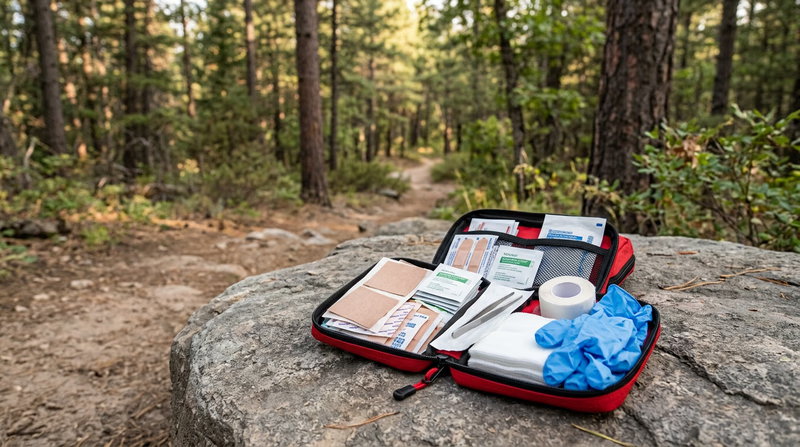
- If the blister is small and not painful, leave it intact and protect it with moleskin or a bandage
- If the blister is large and painful, clean the area, sterilize a needle, drain the fluid from the edge, and cover with antibiotic ointment and a bandage
- Cut a piece of moleskin with a hole in the center (like a donut) to relieve pressure on the blister