Req 4b — Waste & Hygiene
4b.
Describe proper methods of handling human and other wastes while on a backpacking trek. Describe the importance of and means to assure personal cleanliness while on a backpacking trek.
Nobody’s favorite topic — but one of the most important. Improper waste disposal contaminates water sources, spreads disease, attracts animals, and ruins the experience for every hiker who comes after you. Staying clean on the trail also protects your health and keeps your crew functioning well.
Human Waste
The standard method for disposing of human solid waste in the backcountry is the cathole method:
- Walk at least 200 feet (about 70 adult paces) from any water source, trail, or campsite.
- Dig a hole 6 to 8 inches deep and 4 to 6 inches in diameter using a trowel or sturdy stick.
- Do your business in the hole.
- Cover the hole completely with the original soil and disguise the surface with natural materials.
Important exceptions:
- In some high-use wilderness areas, regulations require you to pack out all solid human waste using WAG (Waste Alleviation and Gelling) bags. Check the rules for your specific area.
- Above the tree line, in snow, and in desert environments, decomposition is extremely slow. Catholes may not work. Many alpine areas require pack-out systems.
- Toilet paper should be packed out in a sealed zip-lock bag. Burying toilet paper does not work — animals dig it up and it takes years to decompose. Some hikers use natural alternatives like smooth rocks or leaves (make sure you can identify poison ivy first).
Other Waste
- Gray water (dishwater, wash water): Strain food particles out with a small screen or bandana. Pack out the food bits. Scatter the strained water over a wide area at least 200 feet from any water source.
- Food scraps: Pack out everything. Apple cores, orange peels, and nutshells do not biodegrade quickly in the backcountry and attract animals.
- Trash: Pack it out — all of it. Bring a dedicated trash bag and do a campsite sweep before you leave.
- Feminine hygiene products: Pack out in sealed zip-lock bags. Never bury or burn these.
Personal Cleanliness
Staying clean on a multi-day trek is not about luxury — it is about health. Bacteria from dirty hands cause gastrointestinal illness. Dirty feet develop blisters and infections faster. A clean crew is a healthy crew.
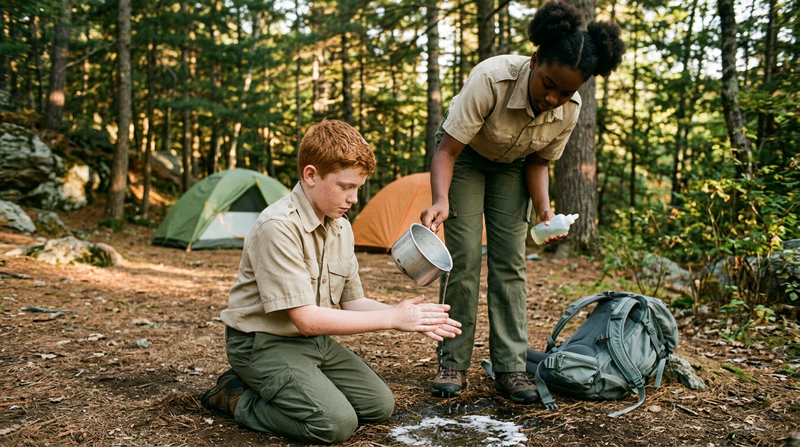
Hand hygiene is the single most important cleanliness practice:
- Wash your hands with biodegradable soap and water before every meal and after using the bathroom
- If water is scarce, use alcohol-based hand sanitizer (at least 60% alcohol)
- Keep a small bottle of sanitizer clipped to your pack for easy access on the trail
Body hygiene on multi-day treks:
- A “sponge bath” with a bandana, a pot of warm water, and a few drops of biodegradable soap is effective and uses minimal water
- Wash at least 200 feet from any water source
- Change into dry, clean socks at camp each evening to prevent blisters and foot infections
- Avoid soap in streams or lakes — even biodegradable soap disrupts aquatic ecosystems
Cooking hygiene:
- Wash all cookware with hot water and a small amount of biodegradable soap after every meal
- Strain dishwater and scatter it at least 200 feet from water sources
- Never leave food or crumbs at your cooking site — this attracts bears, rodents, and insects