Req 4c — Choosing a Campsite
After a long day on the trail, choosing the right place to camp is one of the most important decisions you will make. A good campsite keeps you safe, comfortable, and minimizes your impact on the environment. A poor choice can mean a sleepless night — or a dangerous one.
The Five Factors of a Good Campsite
1. Safety from hazards.
Look up, look down, and look around before you set up camp.
- Above you: Avoid camping under dead trees or branches (called “widowmakers”) that could fall in wind. Stay away from tall, isolated trees during lightning season.
- Below you: Do not camp in dry streambeds, gullies, or low-lying areas that could flood during a rainstorm. Even a light rain miles upstream can send a wall of water through a dry wash.
- Around you: Look for signs of animal activity — tracks, scat, claw marks on trees. Move on if you find evidence that bears or other large animals frequent the area.
2. Flat, durable ground.
Your tent needs a level surface. Even a slight slope will have you sliding to one end of your sleeping pad by midnight. Look for ground that is already compacted — established campsites, rock, gravel, or hard-packed dirt. Avoid setting up on fragile vegetation like moss, wildflowers, or alpine meadows.
3. Proximity to water — but not too close.
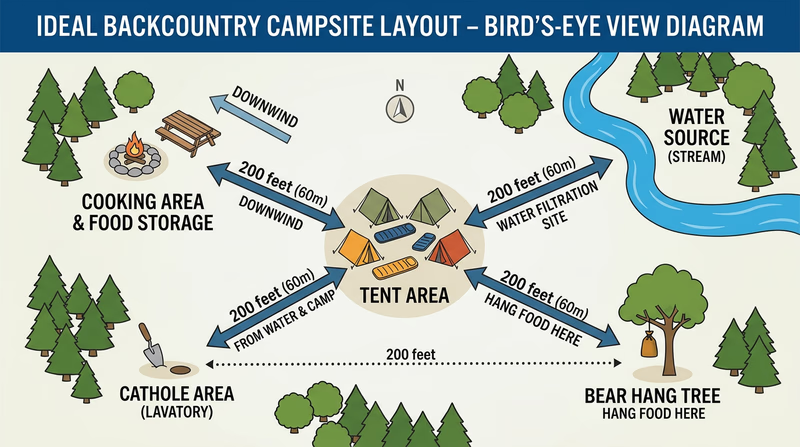
You need water for drinking, cooking, and washing, so camping near a water source is convenient. But “near” does not mean “on top of.” Camp at least 200 feet from lakes and streams. This protects riparian (waterside) habitat, reduces your impact on water quality, and keeps you out of flood zones.
4. Shelter from wind and weather.
A campsite sheltered by trees, rock formations, or natural terrain features is warmer and more comfortable than one exposed to wind. In mountain environments, ridgetops and passes are the windiest spots — drop down to a sheltered bench or valley floor. In hot environments, shade from afternoon sun makes a big difference.
5. Environmental impact.
Choose your campsite with Leave No Trace in mind:
- Use established campsites whenever they are available. These sites are already impacted, and concentrating use prevents new damage.
- In pristine areas, spread your camp out to avoid creating a new permanent campsite. Camp on rock or gravel when possible.
- Avoid camping on trails or blocking trail access.
- Leave your site cleaner than you found it. Do a thorough sweep for micro-trash before you pack up.
Putting It All Together
When you arrive at a potential campsite, do a quick walk-through before dropping your pack:
Campsite Selection Checklist
Walk through this list before setting up
- No dead trees or branches overhead
- Not in a dry streambed, gully, or flood-prone area
- At least 200 feet from water sources
- Flat, level ground for tents
- Durable surface (rock, gravel, compacted soil, or established site)
- Sheltered from prevailing wind
- No sign of heavy animal activity
- Room for cooking area at least 200 feet from sleeping area (in bear country)
- No fragile vegetation that would be damaged by tents or foot traffic