Req 7 — Weather Preparedness
In the backcountry, you cannot duck into a coffee shop when it starts raining. Weather is one of the biggest variables on any trek, and being prepared for it separates safe backpackers from miserable ones. The wilderness does not care about your itinerary — rain, wind, lightning, and sudden temperature drops can happen on any trip.
Before the Trek: Preparation
Check the forecast — then plan for worse.
Always check weather forecasts for the entire duration of your trek before you leave. Use reliable sources like the National Weather Service (weather.gov), which provides point forecasts for specific GPS coordinates. But remember that mountain weather is notoriously unpredictable. A forecast for the valley floor may be completely wrong for the ridgeline 3,000 feet above.
Weather Preparation Checklist
Pack and plan for bad weather before you leave
- Check the 5-day forecast for your specific area and elevation.
- Pack a waterproof rain jacket and rain pants — even if the forecast says sunny.
- Bring an extra insulating layer (fleece or puffy jacket) beyond what you think you will need.
- Ensure your tent or shelter is fully waterproof — seam-sealed and tested.
- Pack a pack cover or use a waterproof pack liner (a heavy-duty trash compactor bag works).
- Carry a lightweight emergency bivy or space blanket as a backup shelter.
- Know the signs of approaching severe weather: darkening skies, sudden temperature drops, increasing wind, distant thunder.
On the Trail: Dealing with Rain
Rain is the most common weather challenge for backpackers. It can range from a gentle drizzle to a torrential downpour that turns trails into streams.
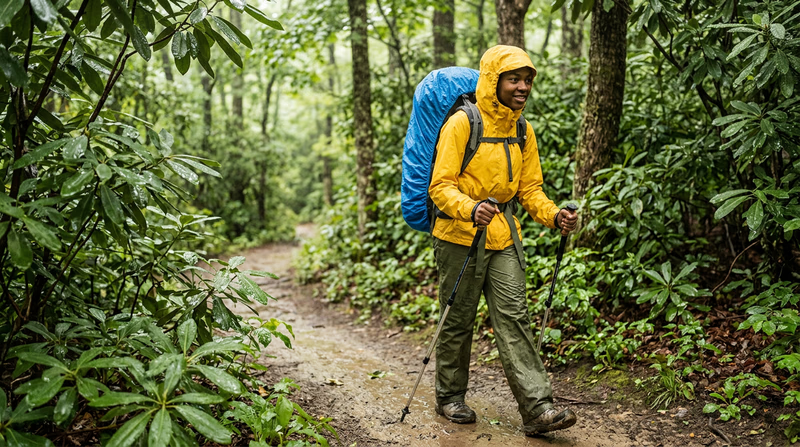
- Put on rain gear early. Do not wait until you are soaked. As soon as you feel the first drops, stop and put on your rain jacket. Once your clothes are wet, they are very hard to dry in the field.
- Protect your pack. Use a pack cover, or better yet, line the inside of your pack with a waterproof bag. Pack covers can blow off in wind and do not protect the bottom of your pack.
- Keep moving if safe to do so. Standing still in rain makes you colder. A moderate pace generates body heat. But if trails become dangerously slippery or visibility drops, stop and wait it out.
- Set up camp early if needed. If a storm is building and you have not reached your planned campsite, find a safe spot and make camp. Do not push through dangerous conditions to stick to a schedule.
Lightning
Lightning is one of the most dangerous weather hazards in the backcountry, especially above the tree line or near water.
Where to go during a lightning storm:
- Get below the tree line and into a dense forest of uniform-height trees (not a single isolated tree)
- Move away from ridgetops, peaks, open meadows, and water
- Avoid metal objects — drop trekking poles and remove your metal-frame pack
- If you are caught in the open, crouch low on the balls of your feet with your feet together, head tucked, and hands over your ears. Do not lie flat — minimize your contact with the ground
Where NOT to shelter:
- Under isolated or the tallest trees
- In shallow caves or rock overhangs (ground current can arc across the opening)
- Near metal fences, poles, or equipment
Wind
High winds can flatten tents, make ridgeline travel dangerous, and accelerate heat loss from your body (wind chill). In exposed terrain, wind can literally knock you off your feet.
- Pitch your tent with the narrow end facing the wind. Stake it down thoroughly and use guylines.
- In high winds, consider camping lower. Drop below the ridgeline into a sheltered valley or forest.
- Use natural windbreaks — rock walls, dense trees, or terrain features that block the prevailing wind direction.
Cold Snaps and Snow
Mountain temperatures can drop dramatically at night or with a passing front. Snow is possible above 8,000 feet even in summer in many parts of the country.