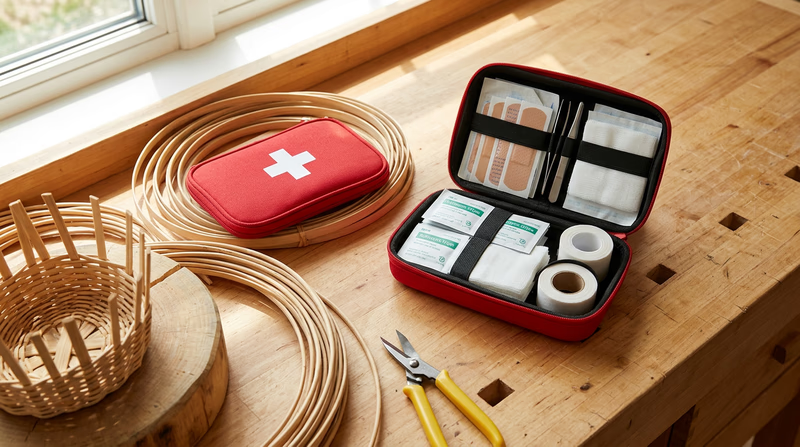
Req 1 — Safety & First Aid
This requirement covers two important safety topics you need to discuss with your counselor:
- Requirement 1a — Hazards you may encounter while using basketry tools and materials, and how to anticipate, prevent, mitigate, and respond to them.
- Requirement 1b — Prevention of and first-aid treatment for cuts, scratches, and scrapes that could occur while working with basketry tools and materials.
Requirement 1a — Basketry Hazards
Basketry might seem like a calm, low-risk activity — and compared to something like rock climbing, it is. But every craft has its hazards, and knowing about them ahead of time is what keeps a minor annoyance from becoming a real problem.
Tools of the Trade
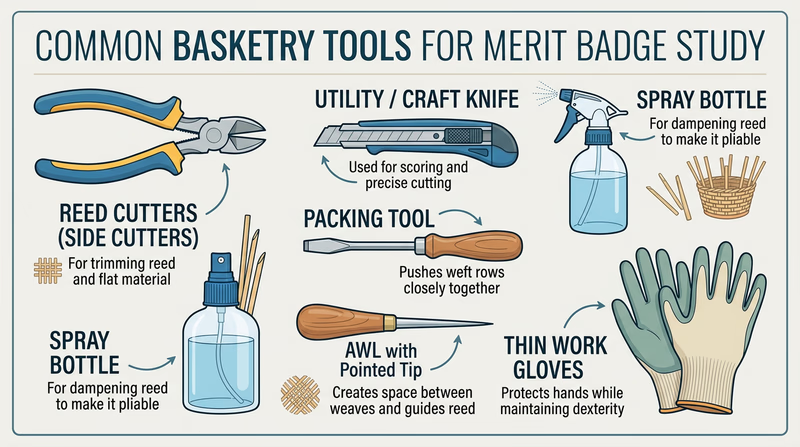
Before we talk about hazards, let’s meet the tools you will be working with:
- Reed cutters or side cutters — Used to trim reed to length. They have sharp blades that can cut skin just as easily as reed.
- Awl — A pointed tool used to open up spaces in a weave. The sharp tip can poke or puncture skin.
- Utility knife or craft knife — Used to trim and shape materials. These are the sharpest tools in your kit.
- Spray bottle or soaking tub — Used to keep reed damp and flexible. Wet floors or tables can be a slip hazard.
- Packing tool or flat screwdriver — Used to push weavers tightly into place. Usually blunt, but can slip and cause bruising.
Common Hazards
Here are the hazards you are most likely to encounter:
Cuts and punctures from sharp tools. Reed cutters, awls, and knives can all break the skin. The risk goes up when you rush, when your hands are wet and slippery, or when you reach across the table without looking.
Splinters and sharp reed ends. Natural reed can have rough edges, and freshly cut ends are surprisingly sharp. Splinters are the most common basketry injury, and they can embed deep enough to need tweezers to remove.
Repetitive strain. Weaving involves a lot of repetitive hand and wrist motions. Over long sessions, this can lead to soreness, cramping, or even tendon irritation. Take breaks, stretch your hands, and switch tasks periodically.
Allergic reactions. Some people react to certain natural materials, dyes, or the mold that can grow on improperly stored reed. If you notice itching, redness, or a rash, stop handling the material and wash your hands.
Wet and slippery surfaces. Soaking reed is a necessary part of basketry, but water on your table or floor creates a slip hazard. Wipe up spills promptly and keep your soaking tub in a stable location.
Anticipate, Prevent, Mitigate, Respond
Your counselor will want to hear you use these four words. Here is what they mean in a basketry context:
The Four Steps
How to handle basketry hazards
- Anticipate: Before you start, look at your workspace and tools. Are there sharp edges? Is the floor wet? Is your reed properly soaked? Identify what could go wrong.
- Prevent: Set up your workspace safely. Use sharp tools correctly. Wear protective gloves when handling rough reed. Keep your work area clean and dry.
- Mitigate: If something does go wrong, minimize the damage. Have a first-aid kit within reach. Know where the nearest water source is for cleaning a wound.
- Respond: Treat injuries immediately. Clean cuts with soap and water, apply antibiotic ointment, and bandage them. Tell an adult if the injury is more than minor.
Requirement 1b — First Aid for Basketry Injuries
Most basketry injuries are minor — a small cut from a reed cutter, a scratch from a rough splint, or a splinter from an unfinished edge. But treating even minor injuries properly keeps them from becoming infected or slowing you down.
Prevention
The best injury is the one that never happens. Here are some practical ways to prevent common basketry injuries:
- Keep tools sharp. It sounds backward, but sharp tools are safer because they require less force. Less force means more control.
- Cut away from your body. When trimming reed, always direct the blade away from your fingers, hands, and body.
- Soak your reed properly. Dry reed is brittle and more likely to snap, sending sharp fragments toward your face or hands. Properly soaked reed is flexible and much easier to work with.
- Wear gloves for rough work. When pulling reed through tight weaves or handling rough materials, a pair of thin work gloves can save your hands a lot of grief.
- Take breaks. Tired hands are clumsy hands. Step away, stretch, and come back refreshed.
First-Aid Treatment