Req 5 — Caring for Your Bugle
A well-maintained bugle sounds better, plays easier, and lasts for decades. Taking care of your instrument is part of being a responsible bugler — just like keeping your gear in order is part of being a good Scout.
Daily Care
These are the things you should do every time you play:
After Every Playing Session
Empty the moisture. When you blow into a bugle, warm, moist air from your lungs condenses inside the cool brass tubing. This moisture (yes, it includes saliva) collects in the lowest point of the tubing. To remove it, turn the bugle upside down and blow a sharp burst of air through the mouthpiece while the bell points toward the ground. Some buglers call this “dumping the spit valve” — even though a bugle does not actually have a valve.
Wipe down the outside. After playing, wipe the entire exterior with a soft, dry cloth. The oils and moisture from your hands will tarnish brass over time if left sitting on the surface. Pay special attention to areas where your hands grip the instrument.
Remove and clean the mouthpiece. Gently twist the mouthpiece out of the receiver (never yank it). Rinse it with warm water and dry it with a clean cloth. This removes any buildup from your lips and keeps the mouthpiece hygienic.
Monthly Cleaning
About once a month (or more often if you play daily), give your bugle a thorough cleaning.
What You Need
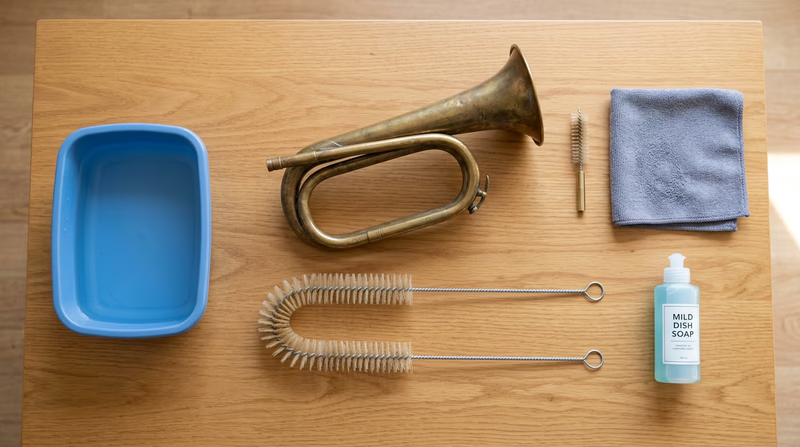
Cleaning Supplies
Everything you need for a thorough bugle cleaning
- Lukewarm water (never hot — hot water can damage lacquer)
- Mild dish soap (a few drops)
- A flexible cleaning brush or snake brush
- A soft, lint-free cloth
- Mouthpiece brush (a small cylindrical brush)
- Brass polish (optional, for unlacquered bugles only)
Step-by-Step Deep Clean
- Remove the mouthpiece by gently twisting it out.
- Fill a sink or basin with lukewarm water and add a few drops of mild dish soap.
- Submerge the bugle and let it soak for 5–10 minutes. This loosens any buildup inside the tubing.
- Run the snake brush through the tubing from the mouthpiece receiver through the bell. Push it all the way through — do not force it if it gets stuck. Pull it back and try again at a different angle.
- Clean the mouthpiece separately with the mouthpiece brush, scrubbing inside the cup and through the backbore (the narrow opening at the bottom of the cup).
- Rinse everything thoroughly with clean lukewarm water to remove all soap residue.
- Shake out excess water by turning the bugle upside down and blowing through it.
- Dry completely with a soft cloth, inside and out. Leave the bugle in a warm, dry area for a few minutes to let any remaining moisture evaporate.
Polishing
Whether you should polish your bugle depends on its finish:
Lacquered bugles (most modern bugles) have a clear protective coating that keeps the brass shiny. Do not use brass polish on a lacquered bugle — the polish will damage the lacquer. Just wipe with a soft, dry cloth.
Unlacquered (raw brass) bugles will naturally develop a dark patina over time. If you want to restore the shine, use a quality brass polish like Brasso or a similar product. Apply a small amount to a soft cloth, rub in circular motions, and buff to a shine with a clean cloth. Work in a well-ventilated area.
Storage
Proper storage protects your bugle between uses:
- Use a case or protective bag whenever the bugle is not in use. This prevents dents, scratches, and dust buildup.
- Store in a dry place at room temperature. Avoid attics, garages, or anywhere with extreme heat or humidity.
- Do not leave the mouthpiece in the receiver during long-term storage. It can become stuck (“frozen”) if left in place for weeks or months.
- Keep away from sharp objects and other instruments that could dent the bell or tubing.
Dents and Repairs
Small dents in the bell or tubing can affect the bugle’s tone and response. If your bugle gets dented:
- Do not try to fix dents yourself. Brass is soft, and amateur dent removal often makes things worse.
- Take it to a brass instrument repair technician. Most music stores can either do the repair or recommend someone. Small dent removal is usually inexpensive.
- Prevent dents by always storing the bugle in its case and handling it carefully.
Your bugle is clean and ready. Now it is time for the final requirement — putting your skills to use.