 Getting Started
Introduction & Overview
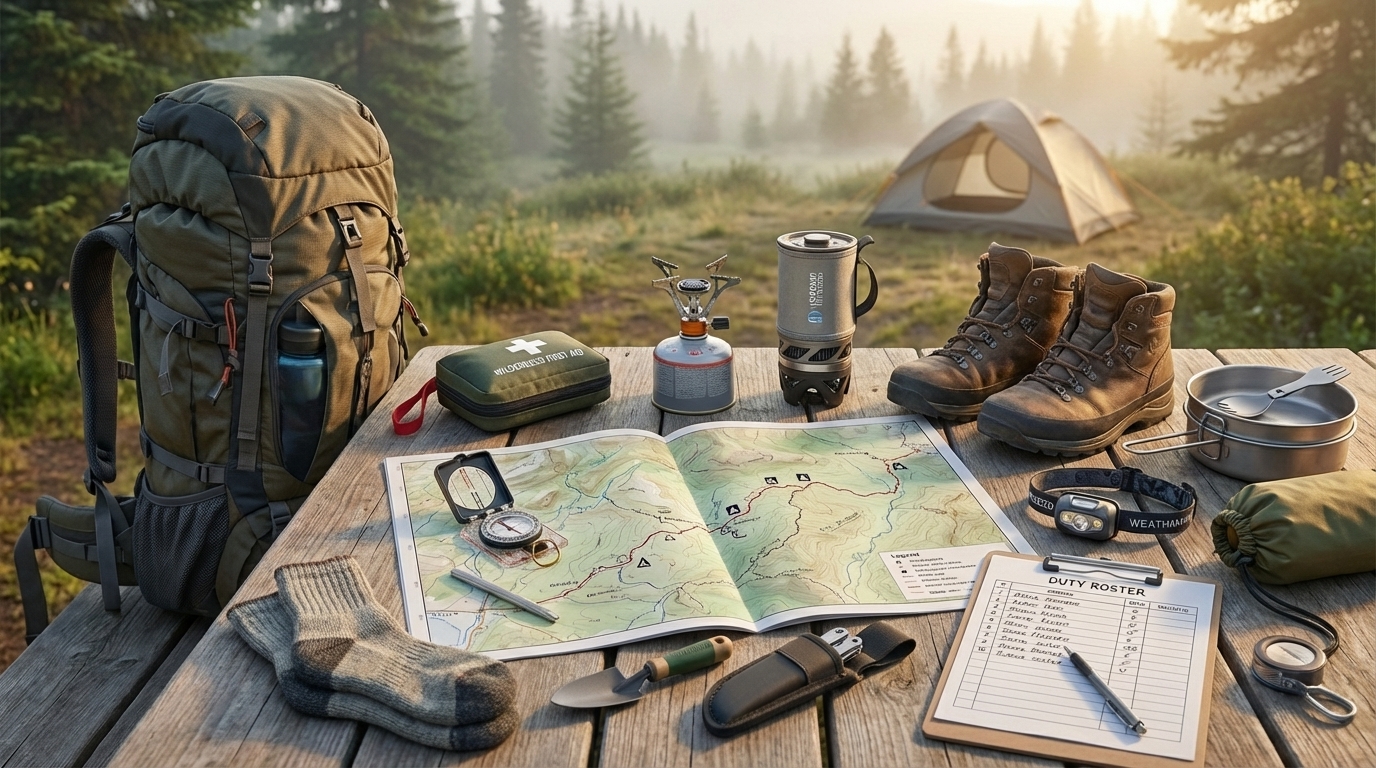
There is something magical about sleeping under the stars, cooking a meal over a crackling stove, and waking up to the sounds of the forest. Camping is one of the most fundamental Scouting experiences — it teaches you self-reliance, teamwork, and a deep appreciation for the natural world. The Camping merit badge is one of the badges required for Eagle Scout, and for good reason: it builds the outdoor skills that define what it means to be a Scout.
Whether you are pitching a tent for the first time or you are already logging your twentieth night under the sky, this guide will help you understand the knowledge and skills you need to camp safely, responsibly, and confidently.
Then and Now
Then — Camping as Survival
For thousands of years, “camping” was simply how humans lived. Indigenous peoples across every continent built temporary shelters, made fire, purified water, and navigated by the stars — not for fun, but for survival. When European explorers and pioneers crossed North America, their ability to make camp each night was the difference between life and death.
In 1907, Robert Baden-Powell took 20 boys to Brownsea Island off the coast of England for an experimental camp. They pitched tents, cooked their own food, tracked animals, and learned first aid. That camp launched the worldwide Scouting movement — and camping has been at its heart ever since.
- Purpose: Survival, exploration, military campaigns
- Mindset: Make do with what the land provides — shelter, food, water, fire
Now — Camping as Adventure
Today, camping is something you choose to do. Modern gear — lightweight tents, synthetic sleeping bags, portable stoves — makes it safer and more comfortable than ever. But the core skills remain the same. You still need to know how to pick a campsite, build a shelter, treat water, cook food, and handle emergencies. The difference is that now you get to enjoy the experience.
- Purpose: Recreation, personal growth, teamwork, conservation
- Mindset: Be prepared, leave no trace, and savor every moment outdoors
Get Ready! With 20 nights of camping ahead of you, this badge is a real adventure. You will learn everything from first aid to fire safety, from packing a backpack to planning a menu. Let’s get started.
Kinds of Camping
Camping comes in many forms. Understanding the different styles helps you prepare for the right experience — and might inspire you to try something new.
Car Camping
Car camping means driving to a campsite and setting up camp right next to your vehicle. It is the most accessible form of camping because you can bring heavier gear — coolers, larger tents, camp chairs, even a dutch oven. Most state parks and national forest campgrounds support car camping with fire rings, picnic tables, and restroom facilities.
Car camping is a great place to start if you are new to the outdoors. It gives you a safety net while you build your skills.
Backpacking
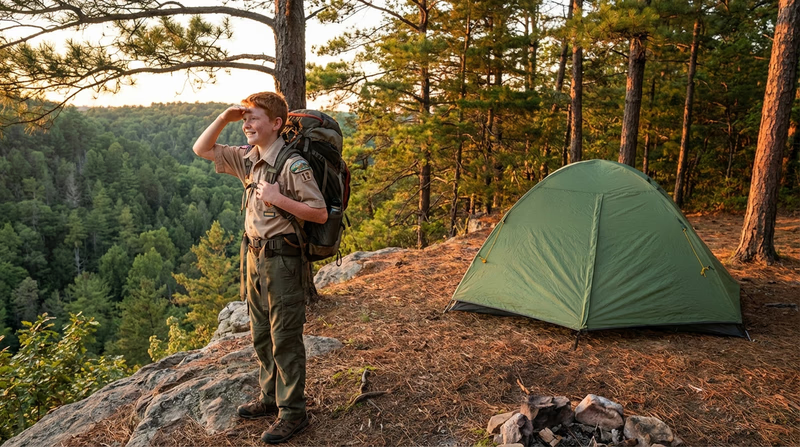
Backpacking takes you beyond the road. You carry everything you need — tent, sleeping bag, food, water, stove — in a pack on your back. Backpacking trips range from a single overnight to multi-day treks through remote wilderness. Weight matters a lot when backpacking, so every item must earn its place in your pack.
Canoe and Kayak Camping
Water-based camping combines paddling with overnight stays at waterside campsites. You load your gear into a canoe or kayak and paddle to your destination. Since the boat carries the weight, you can bring more gear than backpacking — but you still need to pack carefully to keep everything dry.
Winter and Snow Camping
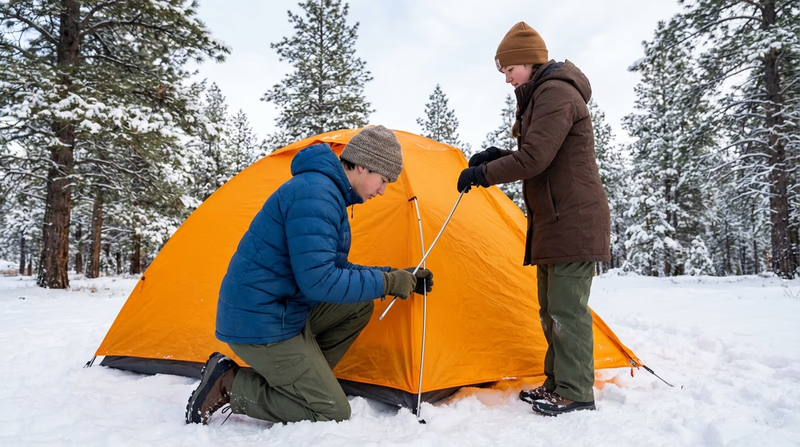
Camping in cold weather and snow is a serious challenge — and one of the most rewarding experiences in Scouting. You need specialized insulation, a cold-rated sleeping bag, and knowledge of how to prevent hypothermia and frostbite. Snow camping can include building snow shelters like quinzhees or sleeping in four-season tents designed to handle wind and heavy snowfall.
Hammock Camping
Hammock camping replaces the traditional tent with a lightweight hammock strung between two trees. A rain tarp goes overhead and an underquilt or sleeping pad keeps you warm from below. Hammock camping is popular with ultralight backpackers because it saves weight and gets you off the ground — no rocks or roots poking your back.
Group and Scout Camping
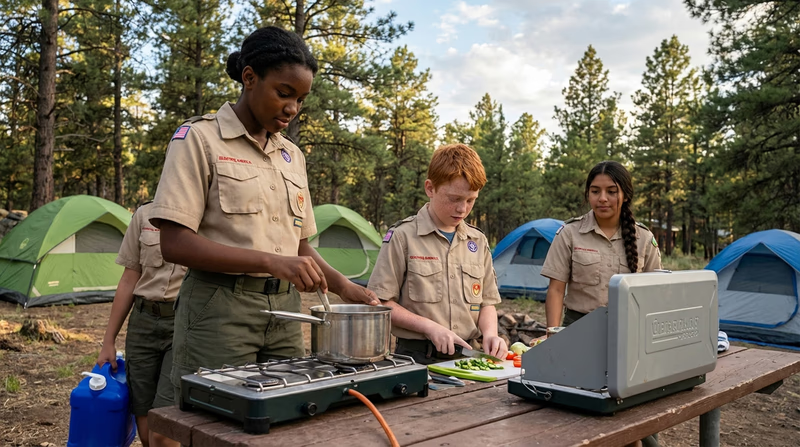
This is the kind of camping you do most often as a Scout — organized campouts with your patrol and troop. Group camping emphasizes the patrol method: everyone has a role, from cooking to cleanup, and you work together to run a smooth camp. Scout camping builds leadership, teamwork, and responsibility in ways that solo camping simply cannot.
Now that you know the many ways to camp, it is time to dive into the requirements. First up: staying safe in the outdoors.