Extended Learning
A. Introduction
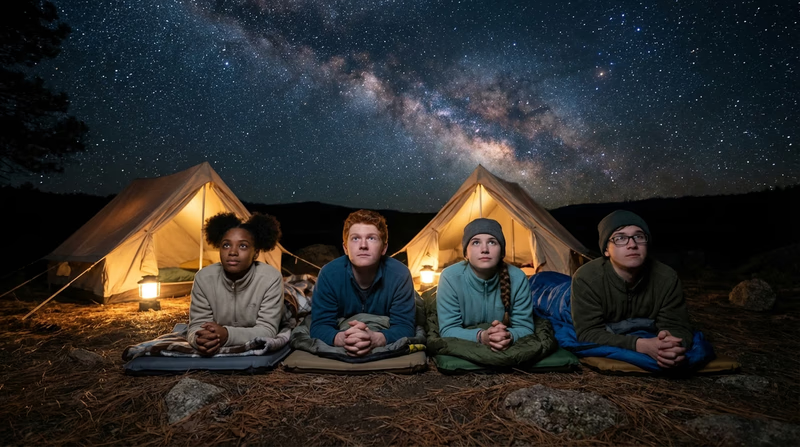
Congratulations — you have earned the Camping merit badge! You have spent 20 nights under the sky, cooked meals for your patrol, navigated by map and compass, and given back to the land through conservation. But your camping journey does not end here. The outdoors is vast, and there is always more to explore, learn, and experience.
B. Deep Dive: Ultralight Camping
As you gain experience, you may want to lighten your pack for longer and more ambitious trips. Ultralight camping is a philosophy that focuses on reducing your base pack weight (everything except food, water, and worn clothing) to 10 pounds or less.
Key principles of ultralight camping:
- Every ounce matters. Weigh every item and ask: “Do I really need this?” If you carried it on the last three trips and never used it, leave it home.
- Multi-use items. Choose gear that serves more than one purpose. A bandana can be a pot holder, a towel, a sun shade, and a water pre-filter. Trekking poles can double as tent poles with certain shelter designs.
- Shelter innovations. Ultralight shelters include tarps, hammock systems, and single-wall tents that weigh under two pounds. They sacrifice some comfort and weather protection for significant weight savings.
- Sleep system. A lightweight quilt (no zipper, no hood) paired with a thin inflatable pad can save a pound or more compared to a traditional mummy bag and pad.
C. Deep Dive: Leave No Trace Master Educator
If conservation and outdoor ethics inspired you during this badge, consider pursuing a Leave No Trace Master Educator course. This multi-day training goes deep into outdoor ethics, backcountry skills, and teaching techniques. Graduates are qualified to train others in LNT principles — a valuable leadership skill for your troop and beyond.
The Leave No Trace Center for Outdoor Ethics offers courses for youth and adults, often in partnership with land management agencies and outdoor organizations.
Leave No Trace Training Courses Find Leave No Trace Awareness, Trainer, and Master Educator courses near you.D. Deep Dive: Wilderness First Aid
Standard first aid covers the basics, but when you camp in remote areas, help may be hours or days away. Wilderness First Aid (WFA) courses teach you to assess, treat, and evacuate patients in backcountry settings where an ambulance is not coming.
A WFA certification (typically a 16-hour course) is highly valued by Scout troops, camps, and outdoor organizations. It builds on everything you learned in Requirement 1c and takes your skills to the next level.
NOLS Wilderness Medicine NOLS offers Wilderness First Aid, Wilderness First Responder, and advanced medical courses for outdoor leaders.E. Real-World Camping Experiences
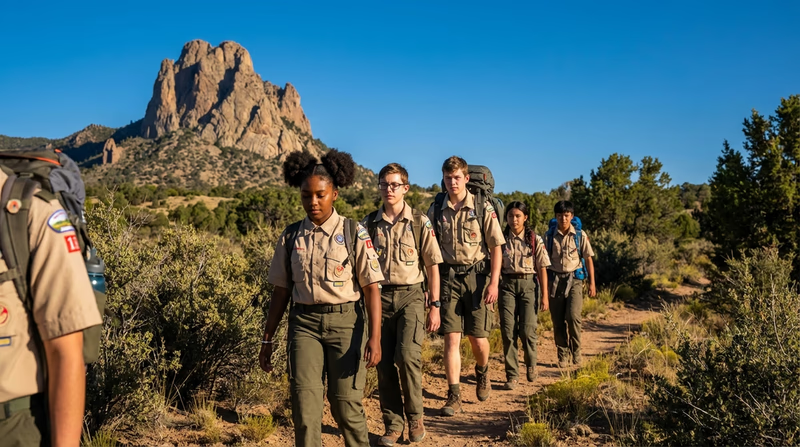
Ready to take your camping to the next level? These destinations and programs offer some of the most memorable outdoor experiences available to Scouts.
Philmont Scout Ranch
Northern Tier High Adventure
Florida Sea Base
The Summit Bechtel Reserve
National Parks Camping
State Parks and National Forests
F. Organizations
These organizations support outdoor recreation, conservation, and education. Connecting with them can open doors to new adventures, volunteer opportunities, and learning resources.
Protects the outdoors by teaching and inspiring people to enjoy it responsibly. Offers training courses, educational materials, and volunteer programs.
Accredits camps and provides resources for campers and camp professionals. Their website helps you find accredited camps across the country.
The official charity of the National Park Service. Supports conservation, education, and access programs for America’s national parks.
Engages communities in the restoration and enhancement of America’s 193 million acres of national forests and grasslands.
Protects and promotes hiking trails and the hiking experience. Organizes National Trails Day and volunteer trail maintenance events.
An outdoor recreation cooperative that offers classes, events, and expert advice on camping, hiking, and outdoor skills. Many locations offer free or low-cost workshops.