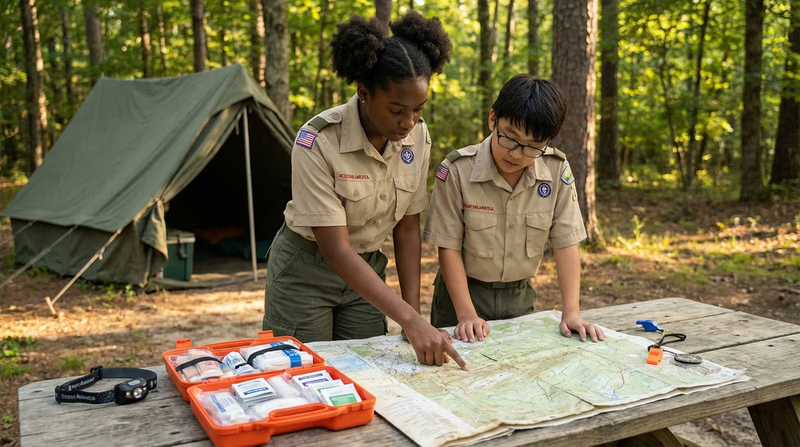
Req 1a — Camping Hazards
Safety is the foundation of every great camping trip. Before you can enjoy the outdoors, you need to understand the risks — and know how to handle them. This requirement teaches you to think like a prepared camper: someone who sees trouble coming and takes action before it becomes an emergency.
The Four-Step Safety Framework
When the requirement says “anticipate, help prevent, mitigate, and respond,” it is giving you a four-step framework for dealing with any hazard:
- Anticipate — Think ahead. What could go wrong? Research the area, check the weather, and learn about local wildlife before you leave home.
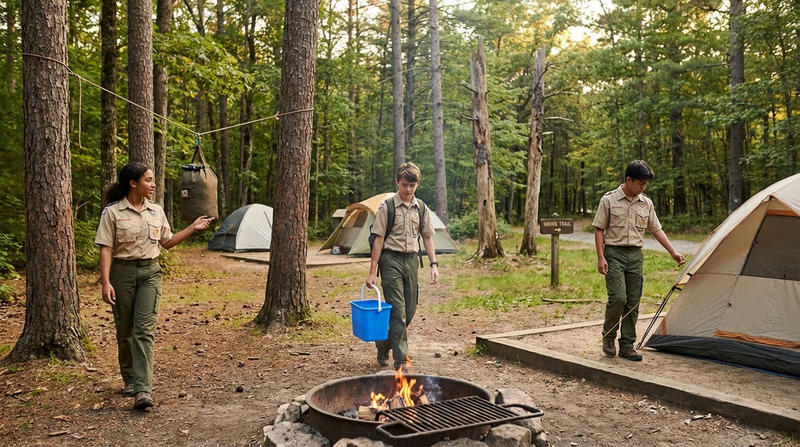
- Prevent — Take action to stop hazards from happening. Store food properly to avoid attracting bears. Wear sturdy boots to prevent ankle injuries. Choose a safe campsite away from dead trees.
- Mitigate — If something does go wrong, reduce the damage. Carry a first-aid kit so you can treat injuries quickly. Bring extra layers so a sudden cold snap does not become hypothermia.
- Respond — When an emergency happens, act decisively. Know when to treat a problem yourself and when to call for help.
Common Camping Hazards
Here are the hazards you are most likely to face while camping. For each one, think about how you would anticipate, prevent, mitigate, and respond.
Wildlife Encounters
Animals live in the places where you camp. Most of them — deer, squirrels, birds — are harmless. But some, like bears, mountain lions, venomous snakes, and even raccoons, can create dangerous situations if you are not prepared.
Falling and Terrain Injuries
Uneven ground, wet rocks, steep slopes, and loose gravel are responsible for more camping injuries than any animal. A twisted ankle miles from the trailhead can turn a fun trip into a rescue situation.
- Wear boots with good ankle support and traction
- Use trekking poles on steep or rocky terrain
- Watch where you step, especially around water crossings
- Set up camp on level ground away from cliff edges
Fire Hazards
Campfires and camp stoves can cause burns, start wildfires, or produce dangerous carbon monoxide. Fire is one of the most useful — and most dangerous — tools in camp.
Getting Lost
Even experienced campers can lose their way, especially in dense forest, fog, or unfamiliar terrain. Disorientation is a real hazard that can lead to panic, exhaustion, and exposure.
Waterborne Hazards
Streams, rivers, and lakes can look inviting but hide serious risks. Flash floods can fill a dry creek bed in minutes. Cold water can cause hypothermia even on a warm day. And untreated water can contain parasites and bacteria that will make you very sick.
- Never camp in a dry wash or creek bed — these are flash flood zones
- Stay out of fast-moving water unless you have proper training and equipment
- Always treat water before drinking it (boiling, filtering, or chemical treatment)
Insect and Plant Hazards
Mosquitoes, ticks, bees, and poisonous plants like poison ivy, poison oak, and poison sumac are common in most camping areas. These hazards are rarely life-threatening, but they can ruin a trip if you are not prepared.
Bug and Plant Protection
Simple steps to stay comfortable
- Apply insect repellent containing DEET or picaridin to exposed skin.
- Wear long sleeves and pants when hiking through brush.
- Check your body for ticks every evening, especially behind your ears, around your waistband, and behind your knees.
- Learn to identify poison ivy (“leaves of three, let it be”), poison oak, and poison sumac before your trip.
- If you are allergic to bee stings, carry an epinephrine auto-injector and make sure your patrol knows where it is.
Your Pre-Trip Safety Plan
Before every campout, sit down with your patrol or family and create a simple safety plan. It does not need to be complicated — a quick conversation covering these points can prevent most emergencies:
- Destination hazards: What animals, weather, and terrain risks exist where you are going?
- Group fitness: Is everyone physically able to handle this trip?
- Emergency contacts: Who do you call if something goes wrong? Where is the nearest hospital?
- Communication plan: Will you have cell service? If not, what is your backup communication method?
- Gear check: Does everyone have the outdoor essentials, first-aid supplies, and appropriate clothing?