Req 1b — Weather Awareness
Weather is the single biggest factor that can change a camping trip from amazing to miserable — or even dangerous. Unlike most other hazards, weather affects everything: your shelter, your clothing, your food prep, your trail conditions, and your mood. The good news is that weather is also the most predictable hazard, as long as you pay attention.
Before You Go — Check the Forecast
The most important thing you can do is check the weather forecast before you leave home. A 10-day forecast gives you a general picture, but focus on the 48 hours around your trip for the most accurate predictions.
Pre-Trip Weather Check
What to look for in a forecast
- High and low temperatures: Will you need cold-weather gear or sun protection?
- Precipitation chance: Rain, snow, sleet — each requires different preparation.
- Wind speed and direction: Strong winds affect tent setup and fire safety.
- Severe weather alerts: Thunderstorms, flash flood warnings, heat advisories.
- Sunrise and sunset times: Know how much daylight you have for activities.
Reading the Sky
Once you are in the field, you will not always have access to a weather app. Learning to read natural weather signs is a valuable skill that campers have relied on for centuries.
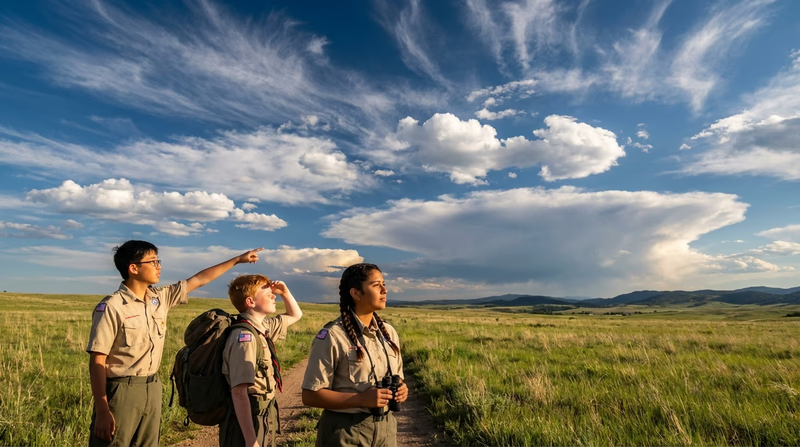
Clouds tell a story:
- High, thin cirrus clouds — Fair weather for now, but these often arrive 24–48 hours before a front. Change may be coming.
- Puffy cumulus clouds — Fair weather clouds. If they stay small and white, enjoy the day.
- Towering cumulonimbus clouds — Thunderstorm clouds. These can build rapidly on a warm afternoon. If you see them growing tall, prepare for lightning, heavy rain, and possibly hail.
- Low, gray stratus clouds — Overcast skies that often bring steady rain or drizzle.
Other natural signs:
- A sudden drop in temperature or shift in wind direction often means a front is approaching
- If morning dew is heavy, the day will likely be fair; if there is no dew, rain may be coming
- Animals often become quiet before a storm
Preparing for Bad Weather
Even with the best forecast, weather can turn on you. The key is to have a plan before the storm hits.
Rain
Rain is the most common weather challenge. It makes everything harder — gear gets wet, trails get slippery, and morale drops fast. But with the right preparation, rain is completely manageable.
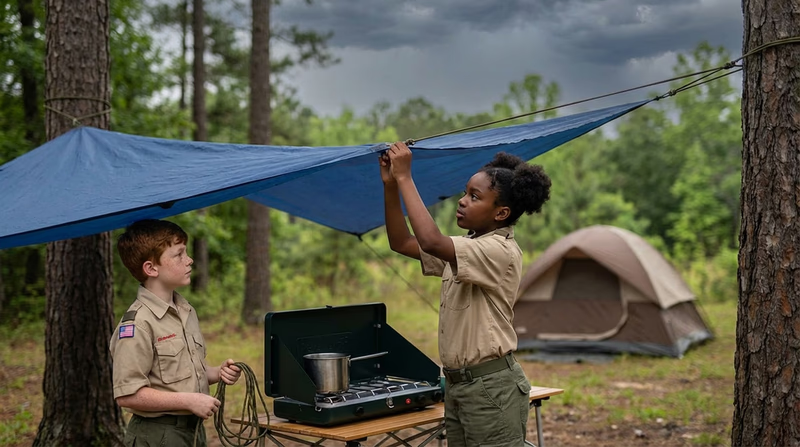
- Shelter: Make sure your tent is properly waterproofed and all seams are sealed. Pitch your rain fly taut so water runs off instead of pooling. Set up a tarp over your cooking area.
- Gear: Pack all clothing and sleeping bags in waterproof stuff sacks or trash bag liners inside your pack. Nothing ruins a campout faster than a wet sleeping bag.
- Clothing: Wear a waterproof outer layer and avoid cotton. Wet cotton pulls heat away from your body.
Thunderstorms and Lightning
Lightning kills more people in the outdoors than any other weather hazard. If you can hear thunder, you are close enough to be struck.
Extreme Heat
Hot weather increases the risk of heat exhaustion and heatstroke. Your body can overheat quickly during physical activity, especially if you are not drinking enough water.
- Drink water before you feel thirsty — by the time you are thirsty, you are already dehydrating
- Rest during the hottest part of the day (noon to 3 p.m.)
- Wear a hat, sunscreen, and lightweight, light-colored clothing
- Watch for signs of heat illness: headache, dizziness, nausea, and confusion
Extreme Cold
Cold weather brings the risk of hypothermia and frostbite. These conditions can develop faster than most people realize, especially when wind and moisture are involved.
- Dress in layers (base layer, insulating layer, outer shell) and adjust as needed
- Stay dry — wet clothing accelerates heat loss dramatically
- Eat high-calorie foods and drink warm fluids to fuel your body’s heat production
- Watch for signs of hypothermia in yourself and others: uncontrollable shivering, slurred speech, confusion, and drowsiness
Weather Resources
National Weather Service Free, accurate weather forecasts for any location in the United States. Bookmark your local office before your trip.