Req 1c — Camping First Aid
This requirement covers ten specific conditions you might encounter while camping. For each one, you need to know two things: how to prevent it and how to treat it. Let’s walk through them all.
Hypothermia
What it is: Your body loses heat faster than it can produce it, and your core temperature drops below 95°F (35°C). Hypothermia can happen in any season — even on a cool summer evening if you are wet and exposed to wind.
Prevention: Dress in layers using moisture-wicking fabrics. Stay dry. Eat high-calorie foods and drink warm fluids. Avoid cotton clothing, which holds moisture and pulls heat away from your body.
First aid: Get the person out of the cold and wind. Remove any wet clothing and replace with dry layers or a sleeping bag. Give them warm (not hot) drinks if they are alert and conscious. Apply gentle warmth to the core — neck, armpits, groin. Do not rub their skin or put them in hot water. Seek medical help immediately for severe cases (confusion, drowsiness, loss of consciousness).
Frostbite
What it is: Skin and underlying tissue freezes, usually affecting fingers, toes, ears, nose, and cheeks. Frostbitten skin looks white or grayish-yellow, feels waxy or numb, and may be hard to the touch.
Prevention: Cover all exposed skin in cold weather. Wear insulated, waterproof gloves and boots. Keep your feet dry with moisture-wicking socks. Wiggle your fingers and toes regularly to maintain circulation.
First aid: Get to a warm environment. Warm the affected area gradually by placing it in warm (not hot) water — around 104°F (40°C). Do not rub, massage, or apply direct heat like a campfire or heating pad. Do not break any blisters that form. Wrap loosely with sterile bandages and seek medical attention.
Heat Reactions
Heat-related illnesses exist on a spectrum from mild to life-threatening. Know the differences:
Heat cramps — Painful muscle spasms, usually in the legs or abdomen. Caused by dehydration and electrolyte loss. Treat by resting in shade, stretching gently, and drinking water with electrolytes.
Heat exhaustion — Heavy sweating, weakness, cold/clammy skin, nausea, dizziness, and a fast but weak pulse. Move the person to shade, loosen clothing, apply cool wet cloths, and give small sips of water. If symptoms worsen or last more than an hour, get medical help.
Heatstroke — A medical emergency. The body’s cooling system fails. Skin is hot, red, and dry (no sweating). Temperature may exceed 103°F. Confusion, rapid pulse, and possible loss of consciousness. Call 911 immediately. Cool the person rapidly with cold water, ice packs to the armpits/neck/groin, or any available means.
Prevention: Drink water before you feel thirsty. Rest in shade during peak heat hours. Wear light-colored, loose-fitting clothing. Acclimatize gradually to hot conditions.
Types of Heat Reactions — National Weather Service Detailed guide to recognizing and treating heat cramps, heat exhaustion, and heatstroke.Dehydration
What it is: Your body loses more water than you take in. Signs include dark urine, dry mouth, headache, fatigue, dizziness, and reduced urine output.
Prevention: Drink water regularly throughout the day, not just when you are thirsty. A good rule of thumb is at least half a liter per hour during physical activity in warm weather. Eat salty snacks to help your body retain water.
First aid: Rest in shade and drink water in small, frequent sips. If the person is vomiting or cannot keep fluids down, seek medical help.
Altitude Sickness
What it is: When you travel to elevations above 5,000–8,000 feet, the reduced oxygen can cause headache, nausea, fatigue, dizziness, and shortness of breath. In severe cases, it can lead to life-threatening conditions like high-altitude pulmonary edema (HAPE) or high-altitude cerebral edema (HACE).
Prevention: Ascend gradually — no more than 1,000 feet of elevation gain per day above 8,000 feet. Stay well-hydrated. Avoid alcohol. Give your body time to acclimatize before strenuous activity.
First aid: The best treatment is descent. Move to a lower elevation. Rest, drink fluids, and take over-the-counter pain relievers for headache. If symptoms are severe (confusion, difficulty walking, persistent vomiting), descend immediately and seek emergency medical care.
Insect Stings
What it is: Stings from bees, wasps, hornets, and yellow jackets cause immediate pain, redness, and swelling. For most people, stings are painful but not dangerous. For people with allergies, a sting can cause a life-threatening allergic reaction called anaphylaxis.
Prevention: Avoid wearing perfume or scented products in camp. Do not swat at bees — stay calm and move away slowly. Keep food covered and clean up spills promptly. Wear shoes at all times around camp.
First aid: Remove the stinger by scraping it out with a flat edge (credit card, knife blade) — do not squeeze it with tweezers, which can inject more venom. Clean the area and apply a cold pack to reduce swelling. For someone with a known allergy, help them use their epinephrine auto-injector immediately and call for emergency help.
Tick Bites
What it is: Ticks attach to your skin and feed on blood. Some ticks carry diseases like Lyme disease, Rocky Mountain spotted fever, and ehrlichiosis. A tick must usually be attached for 24–48 hours to transmit disease, so early removal is critical.
Prevention: Wear long pants tucked into socks and light-colored clothing (so you can spot ticks easily). Apply insect repellent containing DEET or permethrin. Do a thorough tick check every evening — check behind your ears, around your waistband, behind your knees, and in your hair.
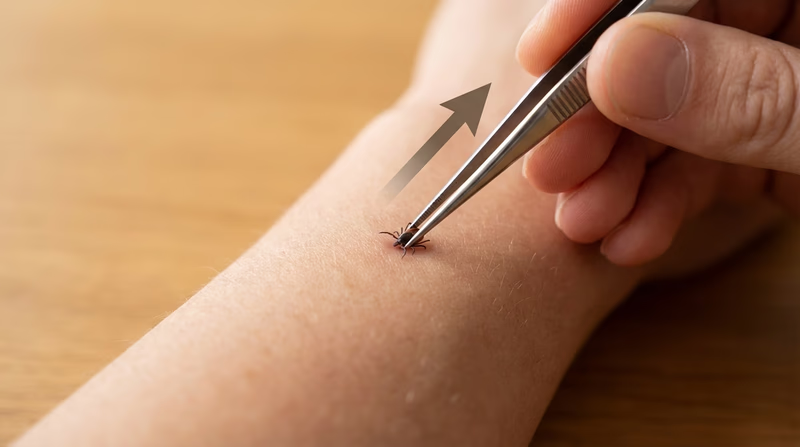
First aid: Remove the tick with fine-tipped tweezers. Grasp the tick as close to your skin as possible and pull straight out with steady, even pressure. Do not twist, crush, or burn the tick. Clean the bite area with soap and water or antiseptic. Save the tick in a sealed bag in case you develop symptoms and need to show it to a doctor.
Bad Bugs and Their Bites Visual guide to identifying common insect bites and stings, including treatment recommendations.Snakebite
What it is: Most snakes in North America are not venomous, but four species are: rattlesnakes, copperheads, cottonmouths (water moccasins), and coral snakes. Venomous snakebites require immediate medical attention.
Prevention: Watch where you put your hands and feet. Step on top of logs rather than over them (snakes like to rest on the far side). Wear sturdy boots and long pants. Use a flashlight when walking around camp at night.
First aid: Keep the victim calm and still — movement spreads venom faster. Remove rings, watches, and tight clothing near the bite before swelling starts. Keep the bite area below heart level. Get to a hospital as quickly as possible. Do not cut the bite, try to suck out the venom, apply a tourniquet, or apply ice.
Blisters
What it is: Friction between your skin and your sock or boot creates a fluid-filled bubble. Blisters are the most common camping injury and can slow you down or stop you in your tracks if they get bad enough.
Prevention: Wear properly fitted boots that you have broken in before the trip. Use moisture-wicking socks (never cotton). Apply moleskin or athletic tape to hotspots — areas of redness and irritation — as soon as you feel them.
First aid: If a blister has not popped, leave it intact — the fluid underneath is protecting the raw skin. Cover it with moleskin or a donut-shaped bandage to relieve pressure. If the blister has popped, clean the area with antiseptic, apply antibiotic ointment, and cover with a sterile bandage.
Hyperventilation
What it is: Rapid, shallow breathing caused by anxiety, panic, or stress. The person breathes out too much carbon dioxide, which causes tingling in the hands and feet, dizziness, lightheadedness, and a feeling of not being able to get enough air. It can look very scary, but it is usually not life-threatening.
Prevention: Build confidence through preparation and experience. Knowing your first aid, having the right gear, and trusting your training all reduce anxiety in stressful situations.
First aid: Stay calm and reassure the person. Have them sit down in a comfortable position. Coach them to breathe slowly: inhale through the nose for 4 counts, hold for 4 counts, exhale through the mouth for 4 counts. Having them breathe into a paper bag is an outdated technique — focused, slow breathing is more effective and safer.
Keep Learning