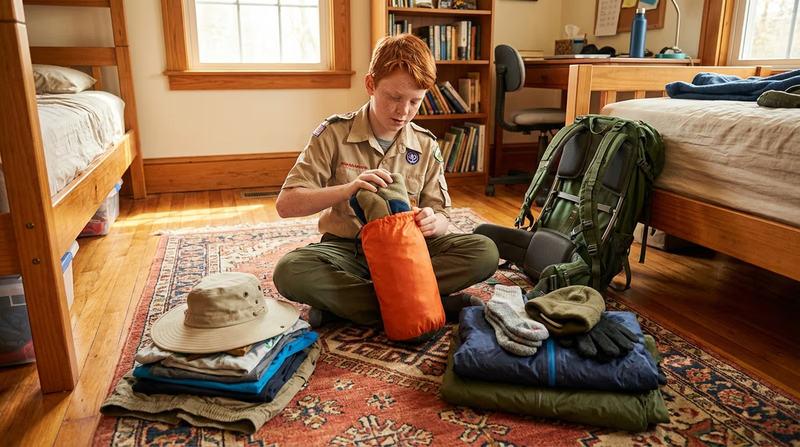
Req 5a — Camping Clothing
What you wear while camping can make the difference between a great trip and a miserable one. The right clothing keeps you warm when it is cold, cool when it is hot, dry when it is wet, and protected from sun, insects, and brush. The wrong clothing — especially cotton — can actually put you in danger.
The Layering System
Layering is the practice of wearing multiple thin layers of clothing instead of one thick layer. Each layer serves a specific purpose, and you can add or remove layers as conditions change throughout the day.
Why layering works: Your body temperature changes constantly during a campout. You might be cold at dawn, warm while hiking uphill, and chilled again when you stop for a break in the wind. A single heavy jacket cannot adapt to all those conditions. But three thinner layers — each doing a different job — can.
The three layers:
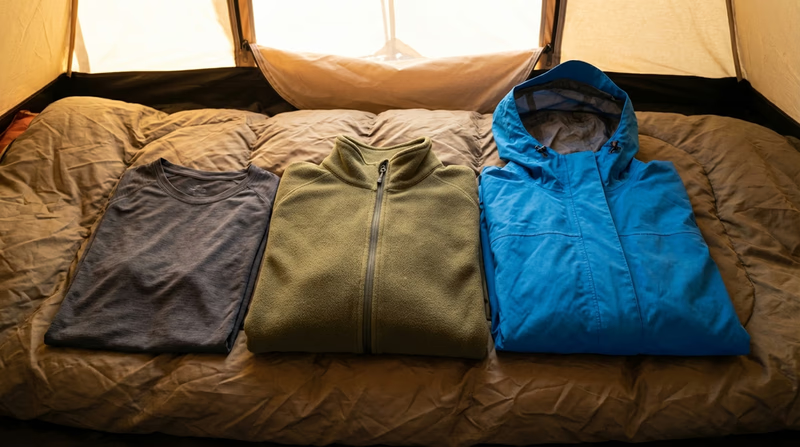
Base Layer — Moisture Management
The base layer sits against your skin and has one job: move sweat away from your body. When sweat stays on your skin, it cools you down — great on a hot day, dangerous on a cold one.
- Best materials: Merino wool, polyester, nylon blends
- Avoid: Cotton. When cotton gets wet, it stays wet and pulls heat away from your body. Experienced hikers call cotton “death cloth” for a reason.
Mid Layer — Insulation
The mid layer traps warm air close to your body. This is where most of your warmth comes from.
- Best materials: Fleece, down, synthetic insulation
- Options: A fleece jacket is versatile and works in most conditions. Down jackets are lighter and warmer but lose their insulating power when wet. Synthetic insulation is heavier than down but keeps working even when damp.
Outer Layer — Weather Protection
The outer layer (or shell) protects you from wind and rain. It does not need to be warm — its job is to keep the elements out and let moisture escape from your inner layers.
- Best materials: Waterproof-breathable fabrics (Gore-Tex, eVent, or similar)
- Features to look for: A hood, pit zips for ventilation, sealed seams, and an adjustable hem
Warm Weather Clothing List
Warm Weather Camping Clothes
For temperatures above 60°F
- Lightweight moisture-wicking t-shirts (2–3, synthetic or merino wool).
- Hiking shorts or convertible pants (zip-off legs give you flexibility).
- Lightweight long-sleeve shirt for sun and insect protection.
- Moisture-wicking underwear.
- Hiking socks — synthetic or merino wool blend (2–3 pairs, plus one extra).
- Sun hat with a brim (protects face, ears, and neck).
- Sunglasses.
- Light rain jacket (even if rain is not in the forecast).
- One warm layer (a fleece or light jacket for cool evenings).
- Sleepwear — a dry set of clothes reserved only for sleeping.
Cold Weather Clothing List
Cold Weather Camping Clothes
For temperatures below 40°F
- Moisture-wicking base layer top and bottom (worn against the skin).
- Insulating mid layer — fleece jacket or down sweater.
- Insulating pants (fleece-lined hiking pants or separate insulating layer).
- Waterproof, windproof outer shell jacket.
- Waterproof outer shell pants (for rain or snow).
- Insulated winter hat that covers your ears.
- Insulated gloves or mittens (mittens are warmer because your fingers share heat).
- Warm scarf, gaiter, or balaclava for face and neck.
- Wool or synthetic hiking socks (2–3 pairs, plus dry socks for sleeping).
- Insulated boots (waterproof, rated for expected temperatures).
- Dry sleepwear kept in a waterproof bag.
The Cotton Rule
It is worth repeating: avoid cotton for outdoor activities. Cotton absorbs moisture and holds it against your skin. In warm weather, this leads to chafing and discomfort. In cold weather, it can lead to hypothermia. Synthetic fabrics and merino wool wick moisture away, dry quickly, and keep you comfortable in a wider range of conditions.
The one exception? Cotton can be acceptable in hot, dry desert environments where evaporative cooling is actually helpful. But for most camping situations, stick to synthetics and wool.
Cold Weather Gear Checklist A comprehensive cold-weather gear list from Scout Life magazine. Warm Weather Gear Checklist A warm-weather gear list from Scout Life magazine.