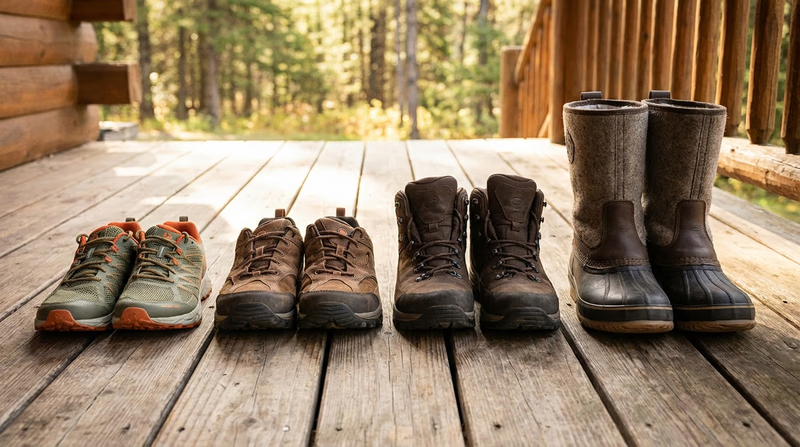
Req 5b — Footwear
Your feet carry you everywhere on a campout. They are your primary mode of transportation, and if they are hurting, your whole trip suffers. Choosing the right footwear for the conditions is one of the most important gear decisions you will make.
Why Footwear Matters
Your feet are complex — each one has 26 bones, 33 joints, and over 100 muscles, tendons, and ligaments. On a camping trip, you are asking them to work on uneven terrain, in wet conditions, and for longer hours than a typical day at home. The right footwear provides:
- Protection from rocks, roots, thorns, and sharp objects
- Support for your ankles on uneven ground
- Traction on slippery, muddy, or rocky surfaces
- Insulation from cold ground and wet conditions
- Comfort for long hours of standing, walking, and hiking
Footwear for Different Conditions
Warm and Dry Weather
In warm, dry conditions, you have the most flexibility. Lightweight hiking shoes or trail runners work well for most summer campouts. They breathe better than boots, dry faster if they get wet, and cause less fatigue because they weigh less.
- Trail runners — Lightweight, flexible, and breathable. Great for established trails and day hikes.
- Hiking shoes — Low-cut with more support and a stiffer sole than trail runners. Good all-around choice for summer camping.
Wet Weather
When rain is in the forecast, waterproof footwear becomes important. Wet feet lead to blisters, chafing, and in cold conditions, frostbite. Look for boots with waterproof membranes (like Gore-Tex) or treat leather boots with a waterproofing agent before your trip.
- Waterproof hiking boots — Keep water out while still allowing some breathability.
- Gaiters — Fabric covers that wrap around your lower leg and boot top. They keep rain, mud, and debris out of your boots.
Cold Weather
Cold weather demands insulated, waterproof boots. Cold feet are not just uncomfortable — they are a frostbite risk. Your boots need to keep your feet warm, dry, and protected from snow and ice.
- Insulated winter boots — Rated for the expected temperature range. Look for at least 200g of insulation for moderate cold, 400g or more for serious winter camping.
- Vapor barrier liners — Thin plastic bags or socks worn inside your boot to prevent sweat from reaching your insulation. Sounds odd, but they work in extreme cold.
- Boot warmers — Felt or foam insoles add extra insulation from the cold ground.
Rocky or Rugged Terrain
When the trail is steep, rocky, or covered with loose gravel, ankle support becomes critical. Mid-cut or high-cut hiking boots protect your ankles from rolling on uneven surfaces and give you stability when carrying a heavy pack.
- Hiking boots — Mid-to-high cut with stiff soles. The best choice for rough terrain and heavy packs.
- Mountaineering boots — Extremely stiff and supportive. Only needed for technical terrain, snow, or ice climbing.
Foot Care on the Trail
Even with the best footwear, you need to take care of your feet:
Trail Foot Care
Keep your feet happy
- Break in new boots before your trip. Wear them around the house and on short walks for at least a week.
- Keep your toenails trimmed. Long nails jab into adjacent toes and the front of your boot on downhills.
- Address hotspots immediately. The moment you feel friction or rubbing, stop and apply moleskin or athletic tape.
- Change into dry socks at lunch and before bed.
- Air out your feet during rest stops — take off your boots and socks for a few minutes.
- Bring lightweight camp shoes (sandals or slip-ons) to give your feet a break around camp.