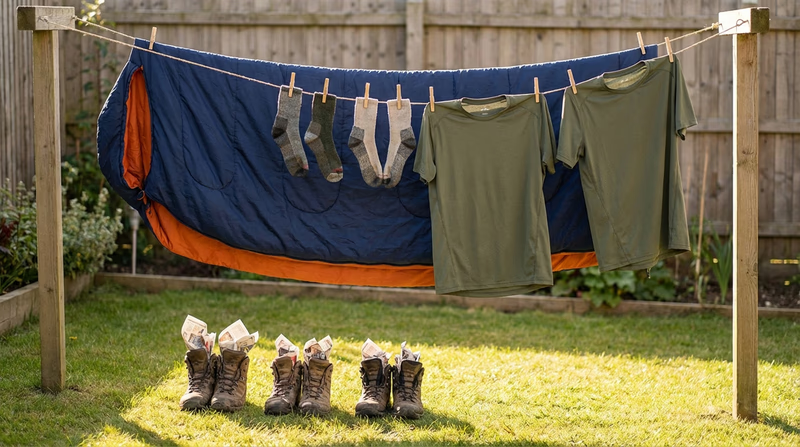
Req 5c — Gear Care & Storage
5c.
Explain the proper care and storage of camping equipment (clothing, footwear, bedding).
Your camping gear is an investment. A good sleeping bag can last 10 years or more — if you take care of it. But gear that is stuffed away dirty and wet will break down fast, lose its performance, and end up in the trash. Proper care and storage keeps your equipment working when you need it most.
Clothing Care
After Every Trip
- Wash promptly. Do not let sweaty, muddy clothes sit in your pack for days. Bacteria and mildew break down fabric and create odors that are hard to remove.
- Follow care labels. Technical fabrics (moisture-wicking shirts, rain jackets, fleece) have specific washing instructions. Most should be washed in cold water on a gentle cycle.
- Avoid fabric softener. Fabric softener coats fibers and destroys the moisture-wicking properties of synthetic clothing. It also damages the waterproof membranes in rain gear.
- Reapply DWR (Durable Water Repellent). If your rain jacket stops beading water, wash it according to the label and then tumble dry on low heat to reactivate the DWR coating. If that does not work, use a spray-on or wash-in DWR treatment.
Storage
- Store clothing clean and completely dry in a cool, dry place
- Hang rain jackets and shells rather than folding them tightly — this prevents crease damage to waterproof membranes
- Store wool items with cedar blocks or in sealed bags to protect against moths
Footwear Care
After Every Trip
- Remove insoles and loosen laces so air can circulate inside
- Knock off dried mud and debris
- For leather boots, clean with a damp cloth and apply leather conditioner or waterproofing treatment once dry
- For synthetic boots, rinse with clean water and let air dry
Storage
- Store boots at room temperature in a dry location
- Keep the shape by stuffing with newspaper or boot trees
- Do not store boots in a sealed plastic bag — trapped moisture causes mildew
- Apply waterproofing treatment before storing for extended periods
Sleeping Bag Care
Your sleeping bag is one of the most important — and most delicate — pieces of camping gear you own. Both down and synthetic insulation can be damaged by improper care.
After Every Trip
- Air it out. Before packing up camp, drape your sleeping bag over a line or bush to air out moisture from your body heat.
- Spot clean any visible dirt with a damp cloth and mild soap.
- Deep wash occasionally. Sleeping bags only need a full wash once or twice a season, not after every trip. When you do wash:
- Use a front-loading washer (top-loaders with agitators can tear baffles)
- Use a specialized down wash or gentle, non-detergent soap
- Wash on a gentle cycle with cold water
- Rinse twice to remove all soap residue
Drying
- Tumble dry on the lowest heat setting
- Add a few clean tennis balls to break up clumps of insulation
- This process takes a long time — up to 2–3 hours. Do not rush it. Removing a sleeping bag before it is completely dry leads to mildew
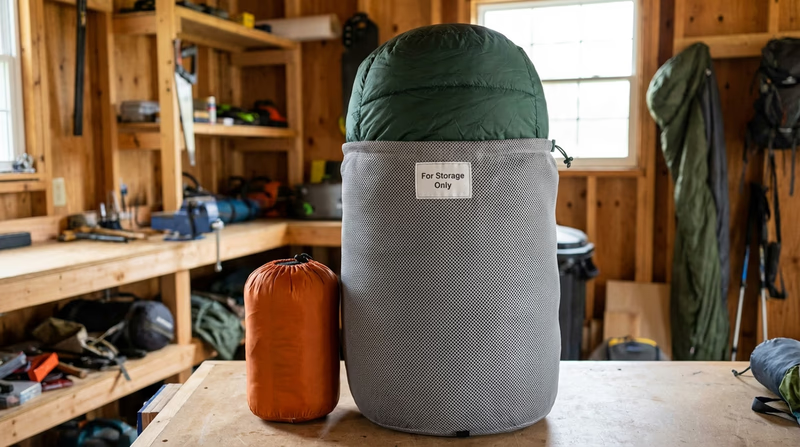
Storage
Tent Care
Although this requirement focuses on clothing, footwear, and bedding, your tent is worth mentioning because it protects all of those things.
- Dry before storing. A wet tent packed away will develop mildew and delaminate its waterproof coating. Set it up at home to dry if you packed it wet.
- Clean the floor. Sweep out dirt, leaves, and sand. Wipe down with a damp cloth if needed.
- Store loosely. Like sleeping bags, tents should not be stored tightly compressed for long periods. Store in a large bag in a cool, dry place.
- Re-waterproof seams when water starts seeping through. Seam sealer is inexpensive and easy to apply.
The Bottom Line
Good gear care comes down to three principles:
- Clean it after every trip
- Dry it completely before storing
- Store it loosely in a cool, dry place
Follow these three rules and your gear will last for years of adventures.