Req 6a — Types of Tents
Your tent is your home in the outdoors. It protects you from rain, wind, insects, and cold. Choosing the right tent for your trip — and knowing how to set it up properly — is a core camping skill.
Four Types of Tents
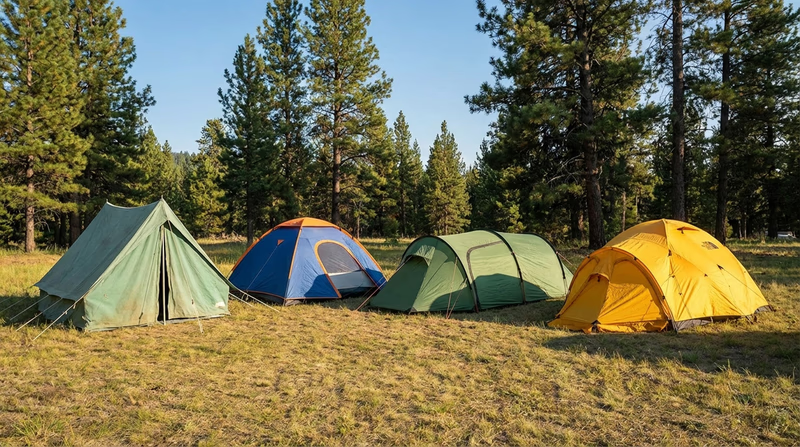
There are many tent designs, but here are four common types you should know:
1. A-Frame Tent
The classic tent shape — two poles forming an “A” at each end with a ridge pole across the top. A-frame tents have been used for generations and are simple in design.
- Best for: Car camping, Scout troops with traditional gear
- Pros: Simple design, easy to understand, good ventilation
- Cons: Heavy, limited headroom, less wind-resistant than modern designs, requires stakes for setup
- Capacity: Typically 2–4 people
2. Dome Tent
The most popular tent style today. Two or more flexible poles cross over each other to create a rounded, self-supporting structure. Dome tents stand up on their own without stakes (though you should always stake them down for wind resistance).
- Best for: General camping, backpacking, Scouts
- Pros: Lightweight, good headroom in the center, easy to pitch, freestanding (can be set up on any surface)
- Cons: Can be less stable in strong winds than tunnel tents, less floor space in the corners
- Capacity: 1–6 people depending on size
3. Tunnel Tent
Long, arching poles run parallel to create a tube-shaped shelter. Tunnel tents offer excellent floor space and headroom but require stakes and guylines to stay upright — they are not freestanding.
- Best for: Base camps, windy conditions, groups needing more interior space
- Pros: Excellent space-to-weight ratio, great wind resistance when oriented correctly, roomy interior
- Cons: Not freestanding (must be staked), harder to pitch in rocky ground where stakes do not hold
- Capacity: 2–8 people depending on size
4. Four-Season (Mountaineering) Tent
Built to handle the worst conditions — heavy snow, high winds, and extreme cold. Four-season tents use more poles, stronger fabrics, and steeper walls to shed snow and resist wind loading.
- Best for: Winter camping, snow camping, high-altitude expeditions
- Pros: Extremely strong and weather-resistant, can handle heavy snow loads, built for the harshest conditions
- Cons: Heavier and more expensive than three-season tents, less ventilation (can feel stuffy in warm weather)
- Capacity: 1–4 people
Tent Anatomy
No matter the type, most tents share these components:
- Body — The main fabric shell. Often made of nylon or polyester. Mesh panels provide ventilation and keep insects out.
- Rain fly — A waterproof outer cover that goes over the tent body. Some flies extend to the ground (full coverage), while others cover only the top.
- Floor — A waterproof tub-style floor that keeps ground moisture out. The floor usually extends a few inches up the walls.
- Poles — Aluminum or fiberglass rods that give the tent its shape. Aluminum is lighter and more durable.
- Stakes — Metal or plastic pins that anchor the tent and guylines to the ground.
- Guylines — Cords that attach to the fly or tent body and stake out to the ground for added wind stability.
- Vestibule — A covered area outside the tent door (under the rain fly) for storing boots and gear out of the rain.
How to Pitch a Tent
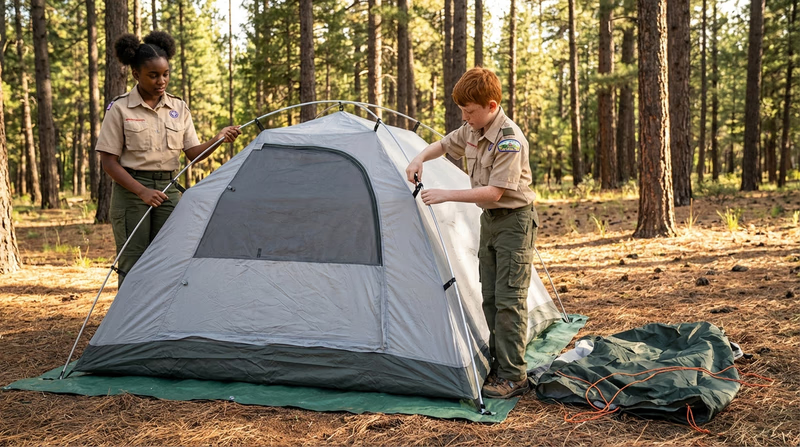
Pitching a tent is a team task — it goes much faster and smoother with a partner.
Tent Pitching Steps
Work with your buddy
- Choose a level spot free of rocks, roots, and standing water.
- Lay down a ground cloth (footprint) slightly smaller than the tent floor to protect the bottom and prevent moisture seeping up.
- Spread out the tent body on the ground cloth, with the door facing away from the wind.
- Assemble the poles and thread them through the pole sleeves or clip them to the tent body.
- Raise the tent by flexing the poles into position. Have your partner hold one side while you secure the other.
- Stake out the corners and guy out the rain fly taut so water runs off instead of pooling.
- Adjust guylines for stability, especially if wind is expected.
- Do a final check: is the fly taut? Are all stakes secure? Is the vestibule clear for gear storage?
Tent Care
A well-maintained tent lasts for years. A neglected one falls apart in a season.
- Dry before storing. This is the most important rule. A tent packed away wet will develop mold and mildew, and the waterproof coatings will delaminate. If you must pack a wet tent in the field, set it up to dry as soon as you get home.
- Shake out debris. Before packing, open the door and shake out dirt, leaves, and sand. Small grit acts like sandpaper on tent fabric over time.
- Clean gently. Use a damp sponge and mild soap if needed. Never machine wash a tent or use harsh detergents.
- Store loosely. Keep your tent in a large, breathable storage bag — not crammed in its stuff sack for months. The compression weakens fabric and coatings.
- Protect the floor. Always use a footprint or ground cloth. It prevents abrasion and punctures from rough ground.
- Re-seal seams when water starts seeping through. Seam sealer is inexpensive and easy to apply.