Req 7 — Gear Checklist & Packing
A well-organized gear checklist and a properly packed backpack are the difference between a smooth campout and a frustrating mess. This requirement brings together everything you have learned about clothing, gear, and equipment into a practical system.
Building Your Gear Checklist
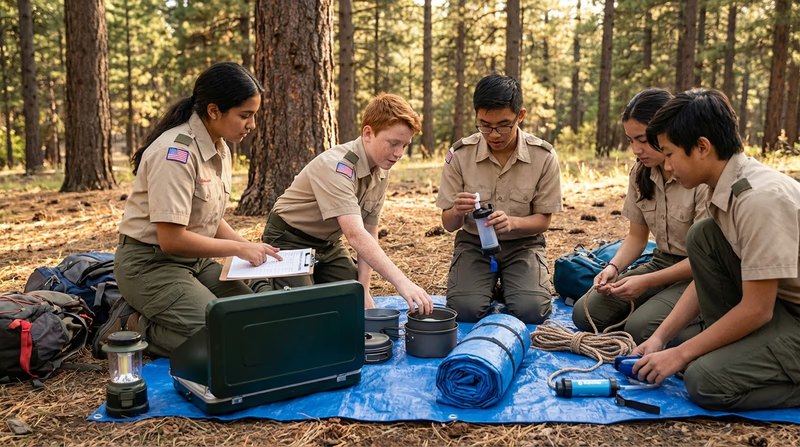
A gear checklist has two sections: personal gear (what you carry for yourself) and patrol gear (shared items divided among the group).
Personal Gear Checklist
Items each camper brings
- Backpack (properly fitted).
- Sleeping bag (rated for expected temperatures).
- Sleeping pad.
- Tent (or your share of a shared tent).
- Clothing for expected weather (see Req 5a).
- Footwear — hiking boots plus camp shoes (see Req 5b).
- Outdoor essentials (see Req 5d).
- Mess kit (plate, bowl, cup, utensils).
- Water bottles (at least 1–2 liters capacity).
- Personal hygiene items (toothbrush, toothpaste, biodegradable soap, towel).
- Trash bags (for packing out waste and waterproofing gear).
Patrol Gear Checklist
Shared items divided among the patrol
- Camp stove and fuel.
- Cooking pots and pans.
- Cooking utensils (spatula, ladle, can opener, pot gripper).
- Water treatment supplies (filter, purification tablets, or both).
- Cooler or food storage bags.
- Dishwashing supplies (biodegradable soap, sponge, mesh strainer, sanitizing tablets).
- Tarp or dining fly.
- Rope or paracord (for bear bags, tarp lines, and gear repairs).
- Fire-starting supplies (if campfires are allowed).
- Patrol first-aid kit (larger than personal kits).
- Group shelter (if not using individual tents).
- Lantern or camp light.
Packing Your Backpack
How you pack is just as important as what you pack. A well-packed backpack is comfortable, balanced, and organized so you can find what you need without dumping everything out.
Packing Zones
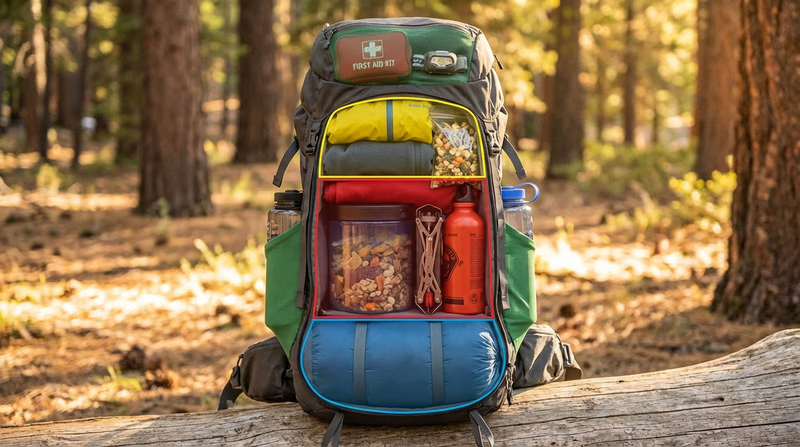
Think of your pack as having four zones:
Bottom zone — Items you will not need until camp:
- Sleeping bag (in a waterproof stuff sack)
- Camp shoes
- Extra clothing for sleeping
Core zone (middle, close to your back) — The heaviest items:
- Food
- Stove and fuel
- Water (if carrying extra)
- Cooking gear
Top zone — Items you need during the day:
- Rain gear
- Insulating layer
- Lunch and snacks
- Map
Accessory pockets — Quick-access items:
- Water bottles (side pockets)
- First-aid kit (top lid or brain)
- Headlamp, sunscreen, sunglasses (top lid)
- Snacks, compass, lip balm (hip belt pockets)
Packing Principles
Packing for Success
Key principles
- Heavy items close to your back and centered — This keeps the weight over your hips and prevents the pack from pulling you backward.
- Balance left to right — Distribute weight evenly on both sides to prevent the pack from pulling you sideways.
- Frequently used items on top or in pockets — Rain gear, snacks, map, first-aid kit, water — anything you need without stopping.
- Waterproof everything — Use stuff sacks, dry bags, or trash bag liners for items that must stay dry (sleeping bag, clothing, electronics).
- Compress dead air — Use compression straps and stuff sacks to eliminate empty space. A compact pack carries better than a loose, floppy one.
- Nothing dangling — Loose items hanging from the outside of your pack snag on branches and throw off your balance. If it does not fit inside, strap it tightly against the pack.
Sharing Patrol Gear
Patrol gear is divided among members based on weight, not just number of items. A fair division means everyone carries roughly the same total weight.
Here is how to divide it:
- Lay out all patrol gear
- Weigh each item (or estimate)
- Divide items so each member carries approximately the same additional weight
- Consider each person’s personal gear weight — someone carrying a heavier tent should carry less patrol gear
Show Your Work
When demonstrating your pack to your counselor or Scoutmaster, be ready to explain:
- Why you placed each item where you did
- What you would reach for first if it started raining
- Where your first-aid kit is (it should be instantly accessible)
- How you kept your sleeping bag dry
- How you balanced the weight between both sides