Req 8a — Stove Safety
Camp stoves are essential tools for outdoor cooking, but they produce open flames, intense heat, and flammable fuel vapor. Using them safely requires knowledge, attention, and respect for the hazards involved.
Propane and Butane/Propane Stoves
Canister stoves use pressurized fuel canisters containing propane, butane, or a blend of both. They are the most common type of camp stove because they are easy to use and reliable.
Safety procedures for canister stoves:
Canister Stove Safety
Follow these steps every time
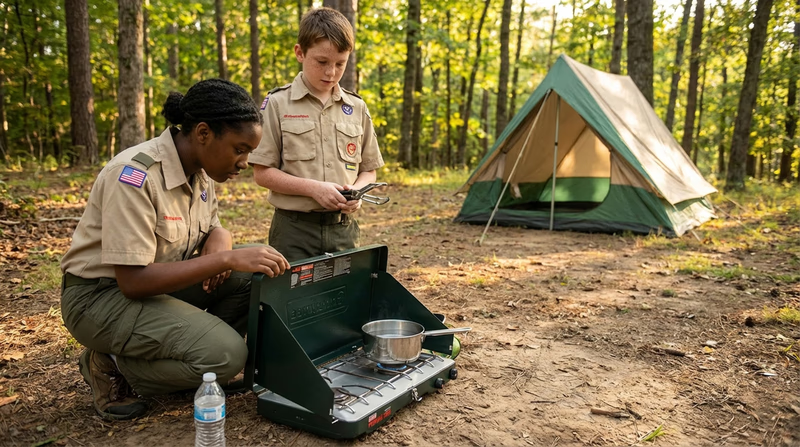
- Set up the stove on a flat, stable, non-flammable surface. A flat rock or bare ground works well. Never use a stove on a picnic table with a tablecloth or near dry grass.
- Clear the area around the stove of flammable materials — leaves, paper, clothing, tent fabric.
- Keep the stove at least 15 feet away from tents, shelters, and gear.
- Check the canister connection before lighting. Make sure the canister threads cleanly onto the stove with no cross-threading. Listen for hissing that indicates a leak.
- Light the stove by turning the valve slightly, then using a match or lighter. Some stoves have built-in piezo igniters.
- Never leave a lit stove unattended.
- Turn off the fuel valve to extinguish the stove. Never blow out the flame.
- Let the stove and canister cool completely before handling, disconnecting, or storing.
- Do not attempt to refill, puncture, or modify fuel canisters.
Liquid Fuel Stoves
Liquid fuel stoves burn white gas (naphtha), unleaded gasoline, kerosene, or other liquid fuels. They are more powerful and work better in cold weather than canister stoves, but they require more skill to operate safely.
Safety procedures for liquid fuel stoves:
Liquid Fuel Stove Safety
These stoves require extra care
- Fill the fuel bottle away from any heat source or open flame. Spilled fuel is extremely flammable.
- Never overfill the fuel bottle — leave room for air pressure. Most bottles should be filled to about three-quarters capacity.
- Pressurize the stove by pumping the plunger on the fuel bottle according to the manufacturer’s instructions.
- Open the fuel valve slightly and light the stove. Liquid fuel stoves often “flare up” during priming — stand back and be prepared.
- Adjust the flame with the control valve once the stove is running steadily.
- Keep a pot of water nearby when cooking to douse any accidental spill fires.
- If the stove malfunctions (sputtering, flaring, leaking), shut off the fuel valve immediately and let it cool before troubleshooting.
- Never attempt to refuel a hot stove. Wait until it has completely cooled.
- Check O-rings and gaskets regularly for wear. A damaged seal causes fuel leaks.
Proper Storage of Extra Fuel
Fuel is the most dangerous item in your camping gear if handled improperly.
Fuel storage rules:
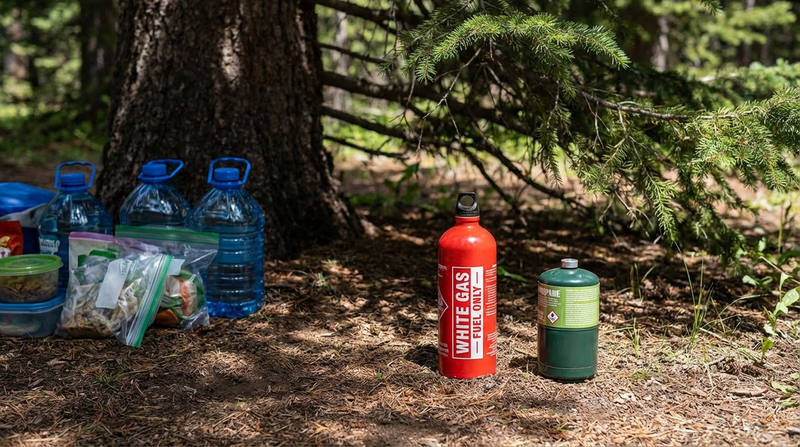
- Canister fuel: Store upright in a cool, shaded area. Do not leave canisters in direct sunlight or inside a hot car — heat increases pressure and can cause the canister to vent or rupture. Always transport canisters in the upright position.
- Liquid fuel: Store in approved fuel bottles with tight-fitting caps. Keep the bottle upright. Make sure the cap is on tight and there are no leaks. Store away from food — fuel can contaminate food through fumes or spills.
- At camp: Keep fuel at least 15 feet from cooking fires, stoves in use, and sleeping areas.
- At home: Store fuel in a cool, dry, well-ventilated area away from heat sources and ignition sources. A garage shelf is fine; next to a water heater is not.
- Disposing of empty canisters: Let the canister fully depressurize by running the stove until it goes out. Many outdoor stores and recycling centers accept empty canisters. Never puncture a canister to empty it unless you have a specialized tool designed for that purpose.