Req 8c — Menu Planning
8c.
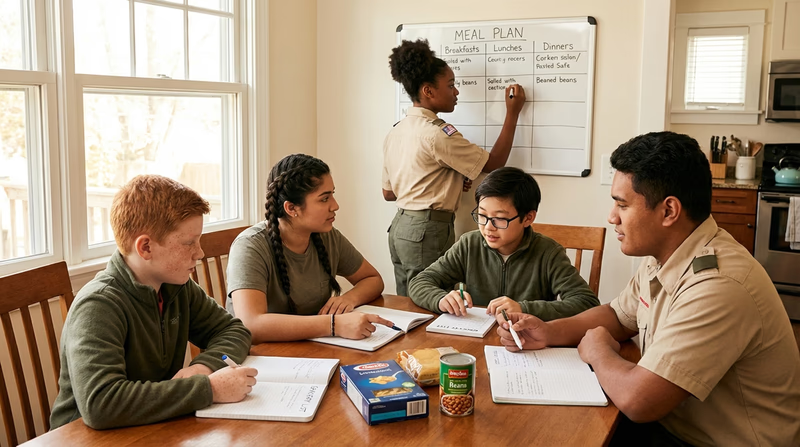
Prepare a camp menu. Explain how the menu would differ from a menu for a backpacking or float trip. Give recipes and make a food list for your patrol. Plan two breakfasts, three lunches, and two suppers. Discuss how to protect your food against bad weather, animals, and contamination.
Meal planning is a skill that separates a well-run patrol from a chaotic one. Good camp food keeps your energy up, your spirits high, and your waste to a minimum. This requirement asks you to think through every aspect of feeding your patrol in the outdoors.
Menu Planning WorksheetCar Camping vs. Backpacking vs. Float Trip Menus
The type of trip determines what you can cook. The key difference is weight and storage.
Car camping menus are the most flexible:
- You can bring a cooler with perishable items (eggs, cheese, fresh meat, vegetables)
- Heavier cooking equipment is fine (cast iron, dutch oven, larger stoves)
- No weight limits — cook whatever you want
Backpacking menus must be lightweight and compact:
- Every ounce matters — choose calorie-dense, lightweight foods
- No cooler — everything must be shelf-stable or eaten on day one
- Simpler cooking (boil water, rehydrate, or one-pot meals)
- Minimize packaging and trash
Float trip menus fall in between:
- The boat carries the weight, so you can bring more than backpacking
- Waterproof storage is critical — everything must be in dry bags
- Keep meals simple because cooking space on the water is limited
- Foods must survive bumps, jostling, and possible splashes
Planning Your Menu
When planning meals for your patrol, think about:
- Nutrition — Balance carbohydrates (energy), protein (muscle repair), and fats (sustained fuel). Camping burns a lot of calories, especially in cold weather.
- Simplicity — One-pot meals are easiest to cook and clean up. Save elaborate recipes for when you have more experience.
- Variety — Nobody wants the same meal three times. Mix it up.
- Dietary needs — Ask if anyone has allergies or restrictions before you plan.
- Prep at home — Pre-measure ingredients, pre-mix spices, and repackage food into portion-sized bags at home. This saves time and reduces waste at camp.
Sample Menu: Two Breakfasts, Three Lunches, Two Suppers
Here is a sample menu for a patrol of six. Adjust quantities based on your group size.
Breakfast 1: Oatmeal Power Bowls
- Instant oatmeal packets (2 per person)
- Brown sugar, raisins, dried cranberries
- Hot cocoa or tea
- Fresh fruit (apples or oranges — they travel well)
Breakfast 2: Scrambled Egg Burritos
- Eggs (2 per person, or powdered eggs for backpacking)
- Shredded cheese
- Flour tortillas
- Salsa packets
- Juice boxes or hot cocoa
Lunch 1: Trail Wraps
- Tortillas with peanut butter and honey (or jelly)
- Trail mix
- Apple slices
- Water
Lunch 2: Summer Sausage and Cheese
- Summer sausage (shelf-stable, no refrigeration needed)
- Cheese and crackers
- Dried fruit
- Granola bars
- Water or lemonade mix
Lunch 3: Tuna Packets
- Foil tuna or chicken packets
- Crackers or pita bread
- Carrot sticks (day one only — perishable)
- Cookies
- Water
Supper 1: One-Pot Pasta
- Pasta (penne or rotini — cooks in one pot)
- Jarred pasta sauce (repackage into a ziplock for backpacking)
- Parmesan cheese packets
- Bread or rolls
- Lemonade mix
Supper 2: Foil Packet Dinners
- Ground beef or turkey (pre-cooked for safety, or use shelf-stable protein for backpacking)
- Sliced potatoes, carrots, and onions
- Seasoning (salt, pepper, garlic powder)
- Wrap in heavy-duty foil and cook on coals or stove
- S’mores for dessert
Protecting Your Food
Food is vulnerable to three threats in the outdoors: bad weather, animals, and contamination.
Bad Weather
- Rain: Store all food in waterproof bags or containers. Keep cooking supplies under a tarp or dining fly.
- Heat: Perishable food spoils fast in warm temperatures. Use a cooler with ice for car camping. For backpacking, plan non-perishable meals or eat perishable items on day one.
- Cold: Freezing temperatures can freeze water bottles and make some foods unappetizing. Store water bottles inside your sleeping bag at night to prevent freezing.
Animals
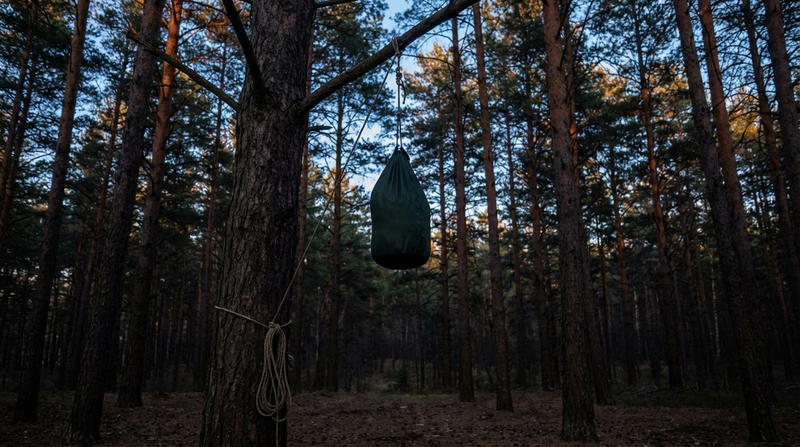
- Bear country: Use a bear canister (required in many areas) or hang a bear bag at least 12 feet off the ground and 6 feet from the trunk, 200 feet from your sleeping area.
- Raccoons and rodents: These clever animals can open zippers and chew through bags. Hard-sided containers are your best defense.
- Birds and insects: Keep food covered at all times. Clean up spills immediately. Use mesh food covers if available.
Contamination
- Wash hands before handling food — every time. Use soap and water or hand sanitizer.
- Keep raw and cooked food separate to prevent cross-contamination.
- Cook meat thoroughly — bring a small instant-read thermometer if cooking raw meat at camp.
- Clean cooking surfaces and utensils between uses.
- Dispose of gray water (dirty dishwater) properly — strain food particles and pack them out, scatter water at least 200 feet from water sources.