Req 9a — 20 Nights of Camping
9a.
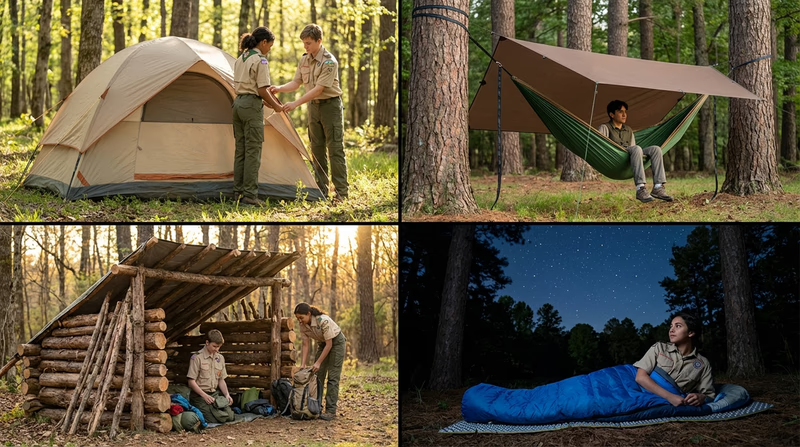
Camp for at least 20 nights at designated Scouting activities or events. One long-term camping experience of up to six consecutive nights may be applied toward this requirement. Two nights may be counted toward the total for each additional long-term camping trip. Each night must be spent either under the sky, in a tent you have pitched yourself (if a tent is provided and already set up, you do not need to pitch your own), in a hammock that is safely strung outdoors, in a lean-to, or other three-sided shelter with an open front. Nights spent in indoor lock-in events, cabin camping, hotel stays, or other covered accommodations do not count toward the 20 nights.
Twenty nights of camping. That is the heart of this merit badge — real experience in the outdoors, building your skills one campout at a time. There is no shortcut for this requirement, and that is by design. You cannot learn to camp from a book. You learn by doing it, night after night, in different seasons and conditions.
What Counts
Let’s be clear about what qualifies and what does not:
Counts toward your 20 nights:
- Nights in a tent you pitched yourself
- Nights under the open sky (cowboy camping)
- Nights in a hammock safely strung outdoors
- Nights in a lean-to or three-sided shelter with an open front
- If a tent is already set up and provided for you, you do not need to pitch your own — those nights still count
Does NOT count:
- Cabin camping
- Hotel or lodge stays
- Indoor lock-in events
- Sleeping in a fully enclosed permanent structure
Long-Term Camp Credits
The requirement has special rules for long-term camping:
- First long-term camp (like summer camp): You may count up to six consecutive nights toward your 20.
- Additional long-term camps: Each additional multi-night trip earns you two nights credit, regardless of how many actual nights you camp.
This means most of your 20 nights will come from regular troop and patrol campouts — weekend trips, camporees, and other Scouting events.
Tracking Your Nights
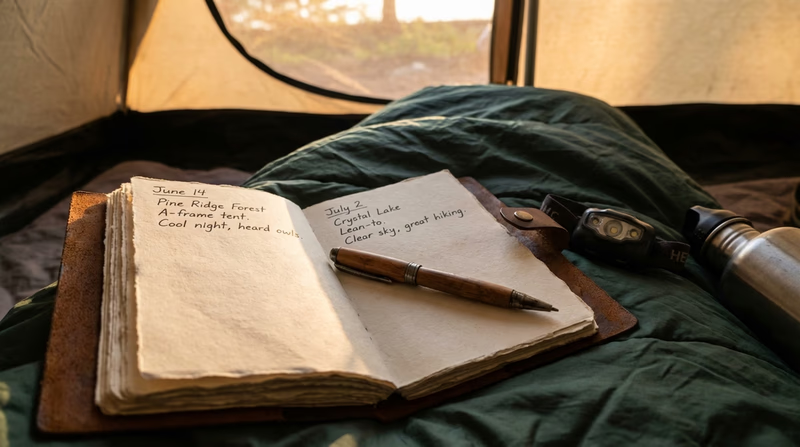
Camping Log Entry
Record these details for each campout
- Date(s) of the campout.
- Location (campground name, park, event name).
- Scouting event or activity (troop campout, camporee, summer camp, etc.).
- Shelter type (tent I pitched, hammock, lean-to, under the sky).
- Weather conditions.
- Notable skills practiced or experiences.
- Signature or verification from a leader.
Making the Most of Your 20 Nights
Twenty nights gives you the opportunity to camp in a variety of conditions. Try to include:
- Different seasons — Spring, summer, fall, and (if possible) winter camping all teach different skills
- Different locations — State parks, national forests, Scout camps, backcountry sites
- Different shelter types — Tent, hammock, lean-to, or under the stars
- Different roles — Rotate through duty roster positions so you gain experience cooking, navigating, and leading
Where to Camp
- Troop campouts — Your most frequent camping opportunities. Monthly campouts are the backbone of your 20 nights.
- Camporees — District or council-wide camping events. Great for meeting Scouts from other troops.
- Summer camp — A weeklong experience that counts for up to six nights on your first attendance.
- High adventure bases — Philmont, Northern Tier, Sea Base, and the Summit. These are unforgettable experiences that also count toward your camping nights.
- Patrol campouts — Smaller, more independent trips planned and run by your patrol.