Req 9c — Conservation Project
Conservation is at the heart of Scouting. The places where you camp — forests, parks, rivers, and mountains — are not infinite resources. They need care, protection, and active stewardship to remain healthy for future generations of Scouts and outdoor lovers.
What Is a Conservation Project?
A conservation project is hands-on work that improves or protects the natural environment. It must be approved by the landowner or the agency that manages the land (like the National Forest Service, National Park Service, state parks, or a private landowner).
This does not need to be a massive Eagle Scout-level service project. It can be something practical and focused that makes a real difference in the area where you are camping.
Project Ideas
Here are examples of conservation projects that meet this requirement:
Conservation Project Ideas
Choose one that fits your camping location
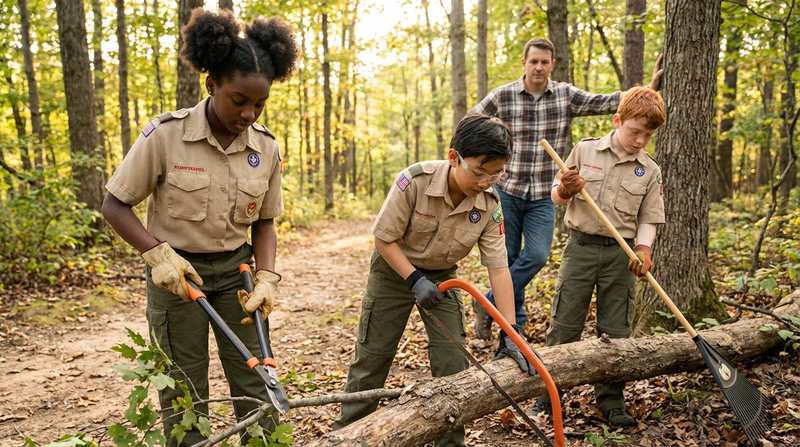
- Trail maintenance — Clear brush, remove fallen trees, repair eroded sections, or rebuild water bars that divert runoff off the trail.
- Invasive species removal — Pull out non-native plants that are crowding out native vegetation. Your local ranger can identify the target species.
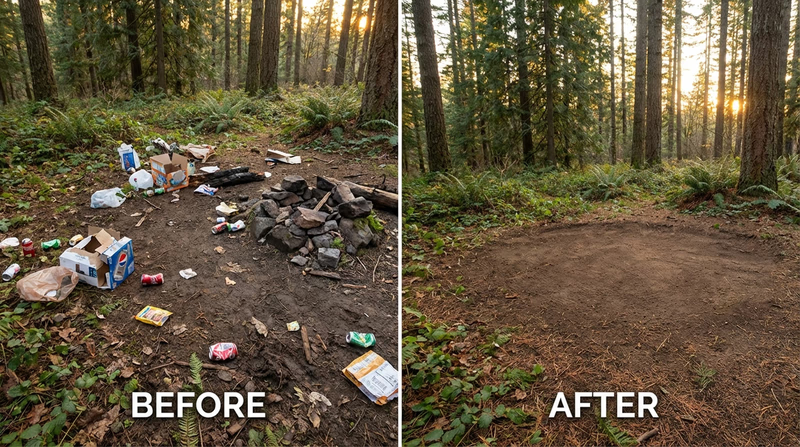
- Campsite restoration — Clean up an overused campsite, remove fire rings that should not be there, and restore vegetation in worn areas.
- Litter cleanup — Conduct a systematic cleanup of a trail, campground, or waterway. Collect and pack out all trash, including micro-trash.
- Erosion control — Build check dams, install water bars, or plant native vegetation to prevent soil erosion.
- Wildlife habitat improvement — Build and install bird boxes, bat houses, or brush piles that provide habitat for small animals.
- Stream or river cleanup — Remove trash and debris from a waterway. This often requires wading, so plan for appropriate clothing and safety.
- Signage and marker maintenance — Repaint trail blazes, repair trail signs, or install informational markers at the direction of the land manager.
Getting Approval
The key phrase in this requirement is “approved by the landowner or land managing agency.” You must get permission before starting your project.
Here is how:
- Identify the land manager — Is it a national forest? A state park? A private landowner? A Scout camp? Each has a contact person who can authorize conservation work.
- Contact them — Call, email, or visit. Explain that you are a Scout working on the Camping merit badge and that you would like to perform a conservation project. Ask what needs to be done — most land managers have a ready list of tasks.
- Get written approval — A simple email confirmation is fine. Document who approved the project, what you will do, and when.
- Follow their instructions — The land manager knows what the area needs. Do exactly what they ask, and nothing more.
Planning Your Project
Even a small project benefits from basic planning:
Conservation Project Plan
Before you start
- What is the project? (Clear description of the work)
- Where will it take place? (Specific location)
- Who approved it? (Name and contact of land manager)
- What tools and materials are needed?
- How many people will participate?
- How long will it take?
- How will you dispose of any waste generated by the project?
- What safety precautions are needed? (Gloves, eye protection, tool safety)
Document Your Work
Take before-and-after photos of your project area. Record what you did, how many people participated, and how long it took. This documentation is useful for your merit badge counselor conversation and demonstrates the impact of your work.
Conservation Project Planning Checklist An official Scouting America checklist to help you plan and document your conservation project.