Req 1a — Hazards on the Water
Before you launch a canoe, you need to understand what can go wrong — and how to keep it from happening. Canoeing is a safe activity when you respect the water and prepare properly, but every paddler should be able to recognize hazards and respond calmly.
Weather Hazards
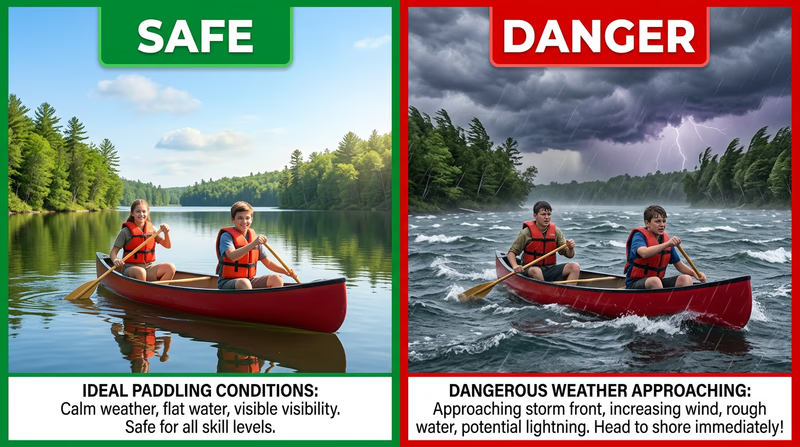
Weather is the single biggest variable on the water. Conditions can change fast, especially on large lakes and rivers.
Wind can turn a calm lake into a challenging and dangerous environment in minutes. Strong headwinds make forward progress exhausting. Crosswinds push you off course. Tailwinds feel easy until you try to turn around. On large lakes, sustained wind creates waves that can swamp an open canoe.
Lightning is an immediate, life-threatening danger on open water. A canoe on a lake is often the tallest object around. If you hear thunder or see lightning, get off the water immediately. The 30/30 rule is a good guide: if the time between a flash of lightning and the sound of thunder is 30 seconds or less, seek shelter. Stay sheltered until 30 minutes after the last thunder.
Fog reduces visibility and makes navigation difficult. On large bodies of water, you can lose sight of the shoreline entirely. Carry a compass and know how to use it.
Water Hazards
The water itself presents hazards that you need to recognize and respect.
Cold water is one of the most underestimated dangers in canoeing. Water does not need to be freezing to be dangerous — water below 70°F (21°C) drains body heat 25 times faster than air at the same temperature. Cold-water shock can cause gasping, hyperventilation, and loss of muscle control within seconds of immersion. This is why wearing a life jacket at all times is non-negotiable.
Currents and moving water can sweep you downstream faster than you expect. Even gentle river currents exert powerful force on a broadside canoe. Strainers — fallen trees or branches that let water through but trap boats and swimmers — are especially dangerous on rivers.
Submerged obstacles like rocks, logs, and stumps can damage your canoe or throw you off balance. In shallow water, look ahead and read the surface — ripples and changes in water color often signal something below.
Human Hazards
Sometimes the biggest hazard is the paddler — and that is the hazard you have the most control over.
Overconfidence leads paddlers to take on conditions beyond their skill level. Be honest about what you can handle. There is no shame in staying close to shore or choosing a calmer day.
Fatigue slows your reaction time and weakens your strokes. On longer paddles, take breaks, eat snacks, and drink water. A tired paddler makes poor decisions.
Lack of communication between paddling partners causes confusion, especially during maneuvers or in challenging conditions. Agree on basic commands before you launch — “draw left,” “stop,” “switch sides.”
Motorized boat traffic is common on many lakes and rivers. Powerboats create large wakes that can swamp a canoe. Paddle defensively — turn your bow into oncoming wakes and give motorized traffic plenty of room.
The Four-Step Hazard Approach
Your counselor will want to hear you think through hazards using four steps:
- Anticipate — What could go wrong? Check weather, scout the water, review your route.
- Prevent — What can you do ahead of time? Wear your life jacket, bring proper gear, paddle with a buddy.
- Mitigate — If something does go wrong, how do you reduce the damage? Stay with the canoe, signal for help, use rescue equipment.
- Respond — What is your emergency plan? Know how to perform a rescue, know how to get help, know basic first aid.
Understanding hazards is the first step to safe paddling. Next, you will learn about specific injuries and illnesses that can happen on the water — and how to treat them.