Req 6 — Equipment Care
6.
Review with your counselor the general care and maintenance of canoes, paddles, and other canoeing equipment.
Taking care of your equipment is not just about making it last — it is about making it safe. A cracked paddle, a leaking hull, or a frayed throw bag rope can turn a routine paddle into a dangerous situation. Caring for your gear is part of being a responsible paddler.
Canoe Care
Before Each Use
- Inspect the hull for cracks, dents, punctures, and soft spots. Run your hand along the bottom and sides. Small cracks in fiberglass or plastic can grow into serious leaks if not repaired.
- Check the gunwales for damage or looseness. Gunwales that are separating from the hull compromise the canoe’s structural integrity.
- Inspect seats and thwarts for loose bolts, cracked wood, or broken cane. A seat that fails while you are paddling can dump you in the water.
- Make sure hardware is tight — seat bolts, thwart bolts, and any deck fittings. Hand-tighten anything that has worked loose.
After Each Use
- Rinse the canoe with fresh water, especially after paddling in salt water, muddy rivers, or lakes with invasive species concerns. Let it dry before storage.
- Turn the canoe over or tilt it on its side to drain completely. Standing water left inside promotes mildew and can freeze and crack the hull in cold weather.
- Remove all gear — sponges, bailers, and throw bags left inside a stored canoe can trap moisture and develop mold.
Storage
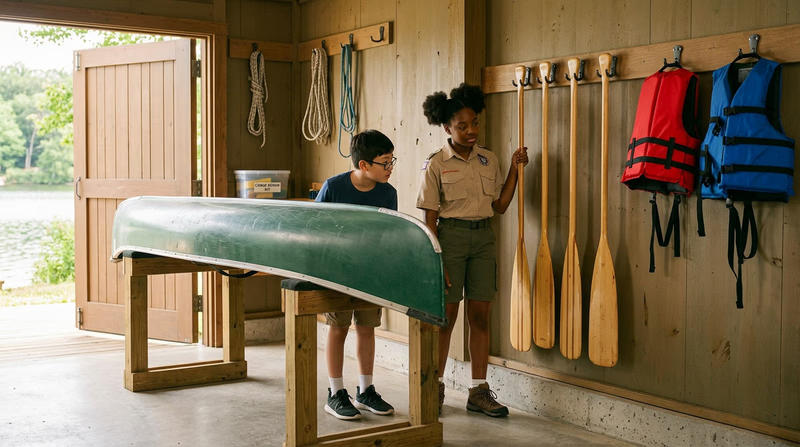
- Store the canoe upside down on a rack or sawhorses, supported at the gunwales — never resting on the hull bottom, which can cause the hull to deform over time (called “oil-canning”).
- Keep it out of direct sunlight when possible. UV rays degrade plastics, fiberglass, and wood finishes over extended exposure.
- Indoors is best. If outdoor storage is unavoidable, use a fitted cover or tarp.
- Off the ground. Storing a canoe on the ground invites moisture, insects, and critters.
Repairs
Minor damage can often be repaired in the field or at home:
- Aluminum canoes — Small dents can often be left alone. Rivets that work loose can be replaced. Major dents or cracks need professional repair.
- Fiberglass canoes — Small cracks and chips can be repaired with fiberglass repair kits (resin and cloth). Sand, patch, and seal.
- Polyethylene/plastic canoes — Scratches are normal and rarely a problem. Deep gouges or cracks can sometimes be welded with a plastic welding tool.
- Wood/canvas canoes — These require the most maintenance. Canvas needs periodic re-coating with filler and paint. Wood needs protection from moisture and UV.
Paddle Care
Before Each Use
- Check the shaft for cracks or splinters. A cracked shaft can break mid-stroke.
- Inspect the blade for chips, cracks, or delamination (layers separating). A damaged blade is less effective and can deteriorate further in the water.
- Check the grip for looseness. A grip that rotates on the shaft is a control problem.
After Each Use
- Rinse with fresh water and dry before storage.
- Store paddles upright or hung on a wall rack — never leaning on the blade tip, which can warp or damage the edge over time.
Maintenance
- Wooden paddles benefit from periodic sanding and a fresh coat of marine varnish or oil. This protects the wood from water absorption, which causes swelling, warping, and cracking.
- Aluminum/plastic paddles need minimal maintenance but should be checked for loose blade-to-shaft connections.
Life Jacket Care
- Rinse with fresh water after each use and hang to dry completely before storing.
- Never machine wash or dry a life jacket. The agitation and heat can break down the flotation foam.
- Store hanging or flat — never compressed under heavy objects, which crushes the foam and reduces buoyancy.
- Inspect regularly for torn fabric, broken buckles, compressed foam, and faded USCG labels. Replace any PFD that fails inspection.
- Do not use as a seat cushion or kneeling pad. This compresses the flotation foam.
Other Equipment
- Throw bags — Inspect the rope for fraying, cuts, and UV damage. Practice repacking after each use so the rope deploys cleanly. Replace rope that shows wear.
- Sponges and bailers — Clean after each use. Replace when worn.
- Painters and ropes — Check for fraying and stiffness. Polypropylene rope degrades in UV light — replace when it becomes stiff or brittle.
Your gear is inspected and ready to go. Time to get on the water and learn how to carry, launch, and handle your canoe.