Req 1d — Chemical Storage
Storing chemicals safely is not just a lab rule — it is something that affects every home, school, and community. When chemicals are stored incorrectly, the consequences can range from minor spills to fires, poisonings, and environmental contamination.
The Golden Rules of Chemical Storage
These principles apply whether you are organizing a school chemistry lab or the cabinet under your kitchen sink:
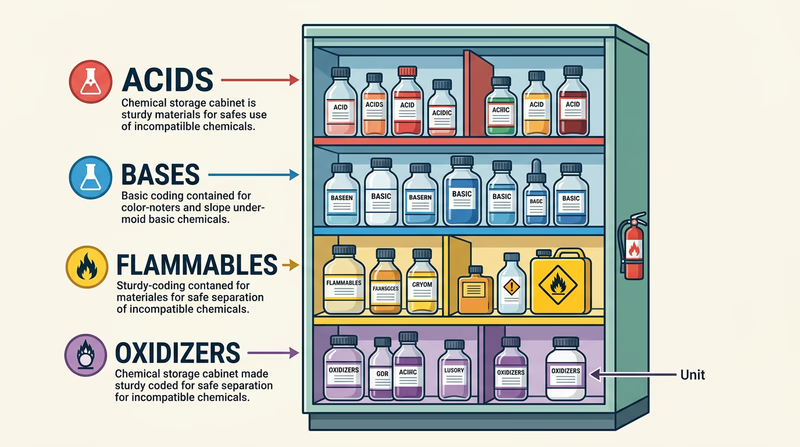
1. Keep incompatible chemicals apart. Some chemicals react dangerously when they come into contact with each other. Bleach and ammonia, for example, produce toxic chloramine gas when mixed. Acids and bases should be stored separately. Flammables should be far from oxidizers.
2. Store chemicals in their original containers. The label tells you what is inside and how to handle it. Pouring chemicals into unlabeled containers — especially food or drink containers — is one of the most common causes of accidental poisoning.
3. Keep chemicals in a cool, dry, well-ventilated area. Heat can cause chemicals to decompose, evaporate, or even ignite. Moisture can cause reactions in some chemicals. Ventilation prevents fumes from building up.
4. Store chemicals out of reach of children and pets. Use locked cabinets or high shelves. Childproof caps are helpful but not foolproof.
5. Store flammable chemicals away from heat sources and ignition points. This includes pilot lights, water heaters, furnaces, and electrical panels.
Chemical Storage at Home
Your home contains more chemicals than you might think. Here is where to find them and how to store them safely:
Home Chemical Storage
Room-by-room guide
- Kitchen: Dish soap, oven cleaner, drain cleaner — store under the sink in a locked cabinet away from food. Never mix cleaning products.
- Bathroom: Rubbing alcohol, hydrogen peroxide, nail polish remover — keep in original containers with caps tightly closed. Store away from heat sources.
- Garage: Gasoline, motor oil, paint, paint thinner, pesticides — store in a cool, ventilated area. Keep flammable liquids in approved containers away from the water heater or furnace.
- Laundry room: Bleach, detergent, fabric softener — store on a high shelf or in a locked cabinet. Never mix bleach with other cleaners.
Chemical Storage at School
School chemistry labs follow strict storage protocols required by law. Chemicals are typically organized by hazard class, not alphabetically:
- Flammable cabinet (yellow) — Contains alcohols, acetone, and other flammable liquids
- Corrosive cabinet — Acids on one side, bases on the other, with physical separation
- Oxidizer storage — Kept far from flammables
- General chemicals — Non-hazardous substances stored separately
Chemical Storage in the Community
Communities manage chemical storage on a much larger scale:
- Gas stations store thousands of gallons of flammable fuel in underground tanks with leak detection systems.
- Water treatment plants store chlorine and other disinfection chemicals in controlled environments with ventilation and containment systems.
- Hospitals and pharmacies store medications and hazardous drugs under strict temperature and security controls.
- Farms store pesticides, herbicides, and fertilizers in dedicated buildings away from water sources and livestock.
Protecting the Environment
Improper chemical storage and disposal can have devastating environmental effects:
- Groundwater contamination — Chemicals stored on bare ground or in leaking containers can seep into the water table, contaminating drinking water.
- Aquatic damage — Pesticides and fertilizers that wash into streams and rivers can kill fish and create algal blooms that choke off oxygen.
- Soil pollution — Spilled chemicals can make soil toxic for decades, preventing plant growth and harming wildlife.