Req 5 — Reducing Environmental Impact
Every year, humans produce over 400 million tons of plastic — and most of it is designed to be used once and thrown away. Single-use water bottles, shopping bags, straws, and disposable batteries create enormous environmental problems when they end up in landfills, oceans, and waterways. The good news? Chemistry is at the center of the solutions.
The Problem with Single-Use Items
Most single-use plastics are made from polymers derived from petroleum (crude oil). These polymers are incredibly durable — which is great when you need a strong water bottle, but terrible when that bottle sits in a landfill for 450 years without breaking down.
Traditional batteries contain heavy metals like cadmium, mercury, and lead that can leach into soil and groundwater when improperly disposed of, contaminating ecosystems and posing health risks.
How Chemistry Is Solving the Problem
Chemists are tackling single-use waste from multiple angles:
1. Biodegradable Plastics
Chemists have developed bioplastics — polymers made from renewable biological sources instead of petroleum. These materials can break down naturally in the environment.
- PLA (polylactic acid) is made from fermented corn starch or sugarcane. It is used in compostable cups, food containers, and 3D printing filament. Under the right composting conditions, PLA breaks down in 60–90 days.
- PHA (polyhydroxyalkanoate) is produced by bacteria that feed on plant oils or sugars. It biodegrades in soil and ocean water, making it one of the most promising replacements for conventional plastic.
2. Chemical Recycling
Traditional recycling (mechanical recycling) melts and reshapes plastic, but each cycle degrades the material. Chemical recycling breaks plastics back down into their original molecular building blocks, which can then be rebuilt into brand-new, high-quality plastic. This process is called depolymerization.
- Pyrolysis heats plastic waste in the absence of oxygen, breaking it down into oils and gases that can be used as fuel or raw materials for new plastics.
- Enzymatic recycling uses specially engineered enzymes (biological catalysts) to break down PET plastic (the type used in water bottles) into its original monomers in just hours.
3. Better Batteries
Chemistry is also transforming the battery industry:
- Rechargeable lithium-ion batteries reduce the need for disposable batteries. Your phone, laptop, and many power tools use them.
- Solid-state batteries replace the liquid electrolyte with a solid material, making batteries safer, longer-lasting, and more recyclable.
- Sodium-ion batteries use abundant, inexpensive sodium instead of rare lithium, potentially making rechargeable batteries accessible to everyone.
- Researchers are even upcycling plastic bags into battery components — turning waste into energy storage.
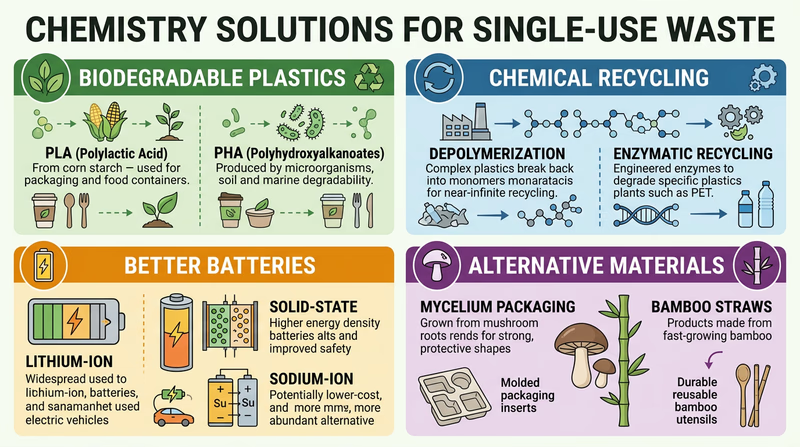
4. Alternative Materials
Chemists are also developing entirely new materials to replace single-use items:
- Bamboo and paper straws use natural cellulose fibers instead of plastic polymers
- Mushroom-based packaging (mycelium) grows into custom shapes and composts in weeks
- Water-soluble detergent pods eliminate the need for plastic bottles entirely
- Silicone food storage bags replace single-use plastic bags with a durable, reusable polymer
Green Chemistry: The Bigger Picture
Green chemistry is an entire field dedicated to designing chemical products and processes that reduce or eliminate hazardous substances. The 12 Principles of Green Chemistry guide scientists to:
- Prevent waste rather than clean it up
- Use renewable feedstocks instead of petroleum
- Design products that break down safely after use
- Minimize energy use in chemical processes