 Getting Started
Introduction & Overview
Your community is more than the place where you live. It is the people, the services, the traditions, and the shared spaces that connect you to your neighbors. The Citizenship in the Community merit badge challenges you to explore the place you call home — to understand how it works, who runs it, and how you can make it better.
This is one of the Eagle-required merit badges, and for good reason. A Scout is expected to be a leader not just in the wilderness, but in the community. This guide will help you discover what it really means to be an active, informed citizen right where you are.
Then and Now
Then — The Town Meeting
In early America, citizenship was intensely local. Colonial towns held open meetings where every citizen could speak, vote, and shape the rules they all lived by. There were no professional politicians — ordinary people served as selectmen, constables, and tax collectors. If a road needed fixing or a school needed building, the community came together and made it happen.
- Purpose: Self-governance, survival, mutual aid
- Mindset: “This is our town and our responsibility”
Now — The Connected Community
Today, communities are larger and more complex, but the core idea is the same: citizens working together to solve shared problems. You can attend a city council meeting in person or stream it online. You can volunteer at a food bank, advocate for a new park, or organize a neighborhood cleanup — all before you are old enough to vote. Young people have more tools than ever to make their voices heard.
- Purpose: Civic participation, service, advocacy, belonging
- Mindset: “I may be young, but I can still make a difference”
Get Ready! Your community needs people who care enough to show up, speak up, and pitch in. This merit badge will show you how — and you might be surprised by how much power you already have to shape the place you live.
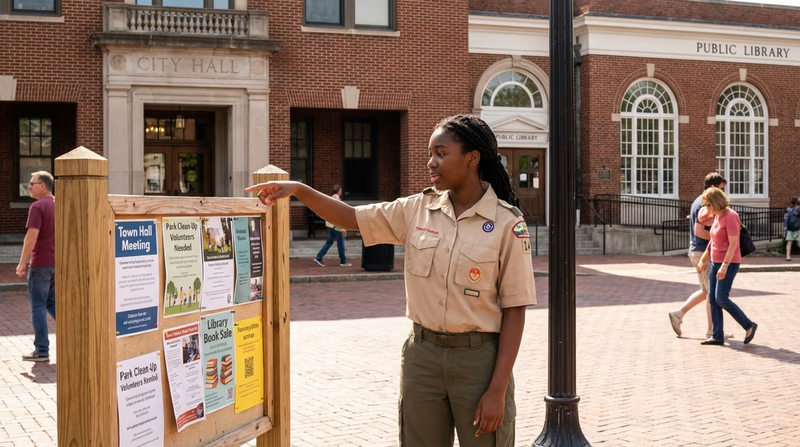
Kinds of Community Involvement
There are many ways to be an active citizen. Here are some of the most common — and you have probably already done more of these than you realize.
Volunteering
Volunteering means giving your time and energy to help others without being paid. It could be serving meals at a shelter, cleaning up a park, tutoring younger students, or helping at a community event. Volunteering is one of the most direct ways to strengthen your community.
Civic Participation
Civic participation is the act of engaging with your government. It includes attending public meetings, contacting elected officials, serving on boards or committees, and — when you are old enough — voting. Even as a young person, you can attend town council meetings, speak during public comment periods, and write letters to your representatives.
Advocacy
Advocacy means speaking up for a cause you believe in. Maybe you want your town to build more bike lanes, or you think the local library should have longer hours. Advocates research the issue, gather support from others, and present their case to decision-makers. You do not need to be an adult to be an effective advocate.
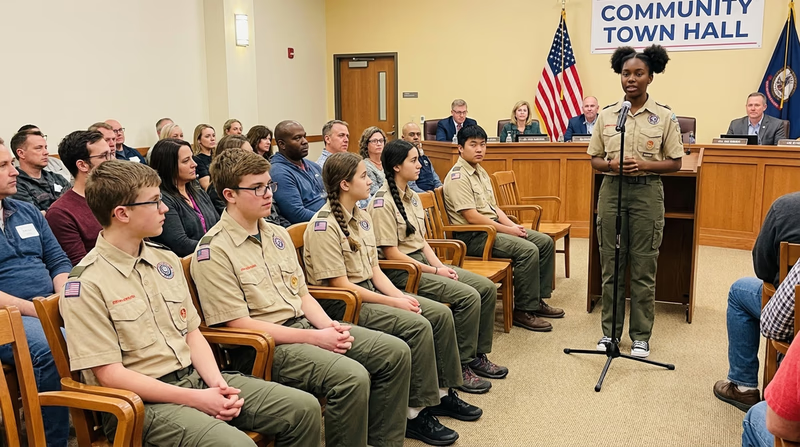
Community Organizing
Community organizing brings people together around a shared goal. It might be organizing a neighborhood watch, starting a petition, or planning a community garden. Organizers listen to what their neighbors need and then mobilize people to take action.
Mentoring and Tutoring
Sharing your skills and knowledge with others is a powerful form of citizenship. Older Scouts mentoring younger ones, high schoolers tutoring elementary students, or community members teaching classes at a recreation center — these connections build trust and strengthen the bonds between people.
Digital Citizenship
Today, much of community life happens online. Digital citizenship means being respectful, responsible, and informed when you participate in online discussions, share information on social media, or use digital tools to organize community projects. The same values that make you a good citizen in person apply online.
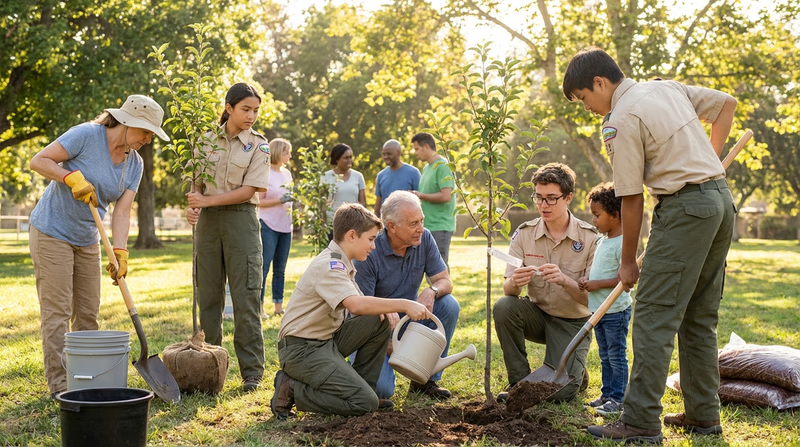
Now let’s dive into the requirements and start exploring what it means to be a citizen in your community.