Req 6 — Taxpayer-Funded Services
What Are Taxpayer-Funded Services?
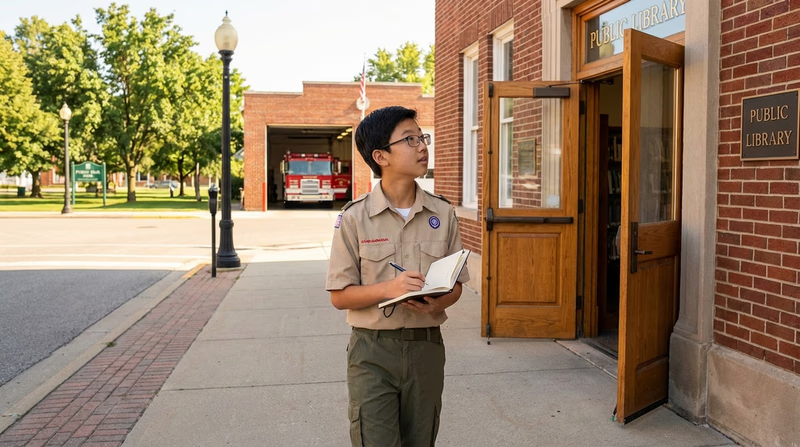
Every time you drive on a paved road, check out a library book, drink clean water from a tap, or see a fire truck respond to an emergency, you are benefiting from a taxpayer-funded service. These are services that your community provides to everyone, paid for by the taxes that residents and businesses contribute.
Some of these services are so woven into daily life that you barely notice them. This requirement asks you to stop and look — to identify the services your community provides and understand why they matter.
Common Taxpayer-Funded Services
Here are the major categories. Your community may have all of these or only some — it depends on the size and type of your community.
Public Safety
These services protect people and property.
- Police Department — Law enforcement, crime prevention, community outreach
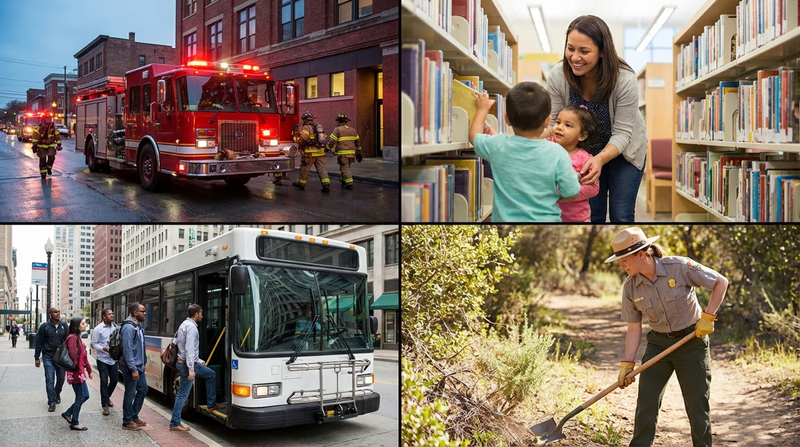
- Fire Department — Fire suppression, emergency medical services, fire prevention education
- Emergency Medical Services (EMS) — Ambulance services and paramedics (sometimes part of the fire department)
- 911 Dispatch Center — The communication hub that routes emergency calls
Education
- Public Schools — Elementary, middle, and high schools funded primarily by local property taxes and state funds
- Public Libraries — Free access to books, computers, internet, educational programs, and community meeting spaces
Infrastructure
These are the systems that keep your community physically functioning.
- Roads and Bridges — Construction, repair, snow plowing, and traffic signals
- Water and Sewer Systems — Clean drinking water delivery and wastewater treatment
- Stormwater Management — Drainage systems that prevent flooding
- Streetlights — Public lighting for safety and navigation
- Solid Waste Collection — Trash pickup, recycling programs, and landfill operations
Parks and Recreation
- Public Parks — Green spaces, playgrounds, sports fields, and nature areas
- Recreation Centers — Gyms, swimming pools, community rooms, and organized programs
- Public Trails — Walking, biking, and hiking paths
Public Transportation
- Bus Systems — Fixed-route and on-demand bus services
- Paratransit — Transportation for people with disabilities
- Commuter Rail or Light Rail — Where available, rail systems connecting communities
Health and Human Services
- Public Health Department — Disease prevention, restaurant inspections, immunization programs
- Animal Control — Stray animal management and public safety
- Social Services — Programs that assist residents in need
Where Does the Money Come From?
Understanding how these services are funded helps you understand why civic participation matters. Here are the main sources:
Property Taxes
Homeowners and businesses pay taxes based on the value of their property. This is typically the largest source of local government revenue and funds schools, police, fire, and local roads.
Sales Taxes
A percentage added to the price of goods you buy. Some of this goes to the state and some stays local.
Income Taxes
Some states and cities levy income taxes on wages earned by residents.
Fees and Permits
Charges for specific services like building permits, parking, recreation programs, and utility connections.
State and Federal Grants
Money that flows from higher levels of government to fund specific programs like road improvements, public transit, or housing assistance.
Why These Services Matter
When you discuss this with your counselor, think beyond the obvious. Yes, police and fire departments are important because they keep people safe. But dig deeper:
- Libraries are not just about books — they provide free internet access, job search help, language classes, and safe spaces for people of all ages.
- Parks are not just for fun — they improve mental health, increase property values, reduce air pollution, and give communities a place to gather.
- Public transportation is not just about convenience — for many people, it is the only way they can get to work, school, or medical appointments.
- Clean water systems are invisible until they fail — and when they fail, the consequences can be devastating.