Req 13 — Storing Your Gear
The climbing day is done. Everyone is safe on the ground, shoes are off, and it is tempting to toss everything into the trunk and head home. But how you store your gear determines how long it lasts and whether it remains safe to use. A rope coiled wet in a hot trunk can develop hidden mildew damage. A carabiner thrown into a bucket with other metal hardware can develop gate-weakening micro-cracks. Gear storage is the final act of every climbing day — and it matters.
Storing Rope
Rope is your most expensive and most critical piece of equipment. Proper storage extends its lifespan and keeps it trustworthy.
After Every Use
- Inspect the rope while coiling it — run it through your hands and check for damage (review the inspection process from Req 6b)
- Clean if dirty — wash in cool water with mild soap, rinse thoroughly
- Dry completely before storage — hang loosely in shade, away from direct sunlight. A damp rope stored in a bag grows mildew and weakens
Storage Environment
| Do | Do Not |
|---|---|
| Store in a cool, dry, dark place | Leave in a hot car trunk |
| Use a rope bag or hang loosely on a wide peg | Store in direct sunlight (UV degrades nylon) |
| Keep away from the floor (avoid chemicals, oil stains) | Store near batteries, gasoline, or cleaning chemicals |
| Coil loosely — do not cinch tightly | Store wet or damp |
Storing Hardware
Hardware includes carabiners, quickdraws, belay devices, rappel devices, and any metal climbing equipment.
Carabiners and Metal Gear
- Dry thoroughly if wet — wipe with a clean cloth and air dry with gates open. Moisture trapped inside a carabiner gate mechanism causes corrosion.
- Store individually or in organized sets — do not pile loose carabiners in a bucket where they can bang against each other. Gate mechanisms are precision parts.
- Rack on a gear sling or gear organizer — this keeps everything sorted and prevents damage from metal-on-metal contact.
- Inspect gates before storing — each carabiner gate should spring open and closed smoothly. If a gate sticks or feels gritty, clean the hinge with a dry brush and a tiny drop of dry lubricant (never oil, which attracts dirt).
Belay and Rappel Devices
- Rinse if exposed to sand or grit — debris in the rope channels increases rope wear
- Dry completely before storage
- Store with your harness or on a gear rack — not loose in a box with heavy hardware
Storing Soft Goods
Soft goods include harnesses, slings, webbing, helmets, and climbing shoes.
Harnesses and Slings
- Inspect all webbing for fraying, cuts, or UV fading before storing
- Hang or lay flat — do not stuff a harness into a tight ball
- Keep dry and out of direct sunlight
- Store separately from metal hardware to prevent abrasion on webbing
Helmets
- Wipe clean with a damp cloth
- Do not store anything inside the helmet that could press on the foam — this compresses the protective material over time
- Keep out of extreme heat — car dashboards and trunks in summer can soften or deform the plastic and foam
- Store right-side up on a shelf or hang from the chin strap
Climbing Shoes
- Air them out after every use — climbing shoes get sweaty and the rubber breaks down faster in damp conditions
- Do not leave in a hot car — heat degrades the adhesive that bonds rubber to the shoe
- Store at room temperature in a ventilated area
- Stuff with newspaper if they are particularly damp to absorb moisture
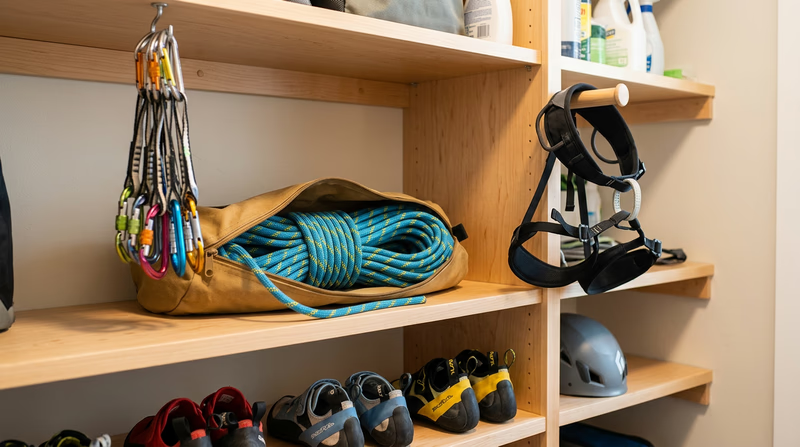
Gear Lifespan
Even with perfect storage, climbing gear does not last forever. Here are general guidelines:
| Gear | Typical Lifespan | Retire When |
|---|---|---|
| Dynamic rope | 2–10 years depending on use | See retirement criteria in Req 6d |
| Harness | 3–7 years | Frayed tie-in points, faded webbing, stiff buckles |
| Carabiners | 10+ years if undamaged | Deep grooves from rope wear, sticky gate, visible cracks |
| Helmet | 5–10 years | After any significant impact, cracked shell, degraded foam |
| Slings/webbing | 5–10 years | Fraying, stiffness, fading, chemical exposure |
| Belay device | 10+ years if undamaged | Deep rope grooves, worn cam mechanism |
Demonstrate to Your Counselor
Your counselor will ask you to show how you would store each major piece of gear after a day of climbing. Walk through the process: inspect, clean if needed, dry, and store properly. Explain why each step matters. This is not just a merit badge requirement — it is the habit that keeps your gear (and you) safe for years of climbing ahead.
Black Diamond — Gear Care and Maintenance Detailed care instructions from one of the world's leading climbing gear manufacturers.