Req 1a — Climbing Hazards
A loose rock the size of a baseball breaks free forty feet above you. You hear someone shout “ROCK!” and press yourself flat against the wall. The stone bounces off the cliff and lands where you were standing three seconds ago. That is not a movie scene — it happens on real climbs. Understanding the hazards before you leave the ground is the first step toward keeping yourself and your climbing partners safe.
Falling
Falls are the most obvious hazard in climbing. A top-rope fall is usually just a short drop — the rope catches you quickly. But even a short fall can cause injury if you swing into the wall or land on a ledge. Longer falls happen in lead climbing when you are above your last piece of protection.
How to anticipate and prevent: Climb within your ability level. Check your knots and harness before every climb. Always have a trained belayer paying attention.
How to respond: If you fall, keep your legs slightly bent and ready to absorb impact against the wall. Do not grab the rope — let the belay system do its job. After a fall, pause, breathe, and check yourself for injuries before continuing.
Rockfall
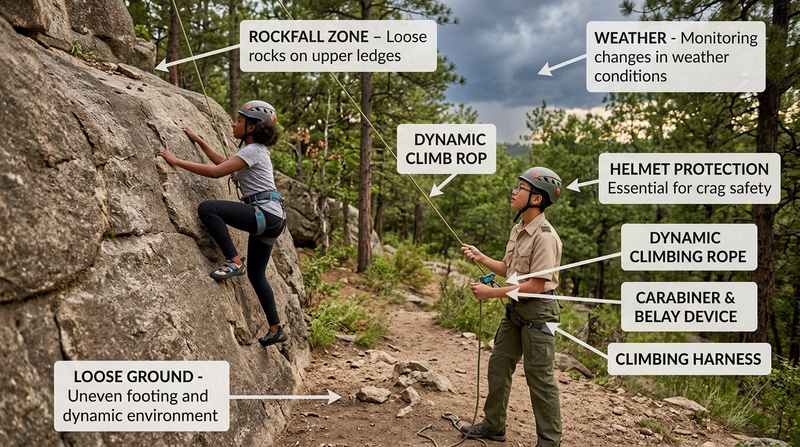
Loose rock is a constant danger on outdoor climbs. Rocks can be dislodged by climbers above you, by weather, or by animals. Helmets exist specifically for this reason.
How to anticipate and prevent: Always wear a helmet outdoors. Test handholds before committing your weight. Avoid climbing directly below other parties. Choose routes known for solid rock when possible.
How to respond: If you hear “ROCK!” — do not look up. Press close to the wall, tuck your head, and let your helmet protect you. If you accidentally knock a rock loose, immediately shout “ROCK!” to warn everyone below.
Equipment Failure
Gear failures are rare in modern climbing because equipment is rigorously tested, but they do happen — usually because gear was damaged, improperly used, or worn beyond its service life.
How to anticipate and prevent: Inspect all equipment before every climb (you will learn the CHECK system in Req 9). Retire gear that shows signs of wear or damage. Never use equipment you did not inspect yourself.
Weather Hazards
Weather can change fast, especially in the mountains. Rain makes rock dangerously slippery. Lightning is a serious threat on exposed rock faces. Extreme heat causes dehydration and heat exhaustion. Cold temperatures reduce grip strength and decision-making ability.
How to anticipate and prevent: Check the weather forecast before every climbing day. Know the signs of approaching storms — darkening skies, sudden temperature drops, distant thunder. Have a plan to retreat if conditions deteriorate.
How to respond: If lightning threatens, descend immediately. Get off ridges and exposed rock. Avoid being the tallest object. If you cannot descend, crouch on an insulating pad (your rope) away from the cliff edge.
Environmental Hazards
The climbing environment itself presents dangers: sharp rock edges that cut ropes and skin, loose soil at the base of cliffs, uneven ground that causes ankle injuries during the approach hike, poison ivy or poison oak near the crag, and wildlife including snakes and stinging insects.
How to anticipate and prevent: Scout the area before you set up. Watch where you place your hands — both on the rock and on the ground. Wear appropriate footwear for the approach. Learn to identify local hazardous plants and animals.
Human Error
Mistakes by climbers and belayers cause more accidents than gear failure. Forgetting to tie a stopper knot, threading the rope through the belay device wrong, or losing focus while belaying — these errors are preventable.
How to anticipate and prevent: Use the buddy system. Before every climb, have your partner check your harness, knot, and belay device while you check theirs. Follow established communication protocols (covered in Req 5). Never rush.
Putting It Together
Anticipating hazards means thinking ahead. Before every climb, ask yourself: What could go wrong? What is the weather doing? Is the gear in good condition? Is my partner focused? This mindset — constant, calm awareness — is what separates safe climbers from lucky ones.
American Alpine Club — Accidents in North American Climbing Annual reports analyzing real climbing accidents and the lessons they teach.