Req 1b — Injury Prevention & First Aid
A climber reaches the top of a route on a 95-degree afternoon, unclips, and sits down at the anchor. Her hands are shaking, she feels dizzy, and she has stopped sweating. Those are warning signs of heat stroke — and at the top of a cliff, getting her down safely requires quick thinking and calm action. Knowing first aid for climbing-specific injuries is not optional. It is part of the job.
Heat Reactions
Climbing in warm weather puts you at risk for heat-related illness. The progression goes: heat cramps → heat exhaustion → heat stroke. Each stage is more dangerous.
Prevention: Drink water before you feel thirsty. Take breaks in the shade. Climb during cooler parts of the day — early morning or late afternoon. Wear light-colored, breathable clothing.
First aid for heat exhaustion: Move the person to shade. Have them lie down with feet elevated. Cool them with wet cloths on the neck, armpits, and forehead. Give small sips of water. If they do not improve in 15 minutes, this is a medical emergency.
First aid for heat stroke: This is life-threatening. The person may be confused, have hot and dry skin, or lose consciousness. Call 911 immediately. Cool them aggressively — pour water over them, fan them, pack ice around the neck and armpits.
Cold Reactions
Climbing in cold weather — or at high altitudes where temperatures drop unexpectedly — can cause hypothermia and frostbite.
Prevention: Dress in layers. Avoid cotton (it holds moisture and loses insulation when wet). Bring extra warm layers even on mild days — temperatures drop as you gain elevation. Eat and drink regularly to fuel your body’s heat production.
First aid for hypothermia: Get the person out of the wind and cold. Remove wet clothing and replace with dry layers. Wrap them in an emergency blanket or sleeping bag. Give warm (not hot) drinks if they are alert. Handle them gently — rough movement can cause dangerous heart rhythms in severe hypothermia.
First aid for frostbite: Do not rub the affected area. Warm it gradually with body heat (tuck frostbitten fingers into armpits). Do not rewarm if there is a risk of refreezing — that causes worse damage. Seek medical attention.
Dehydration
Climbing is hard work, and you lose water through sweat and breathing — especially at altitude. Dehydration impairs your judgment, coordination, and grip strength before you realize it.
Prevention: Drink at least 16 ounces of water per hour during active climbing. Start hydrated — drink water throughout the day before you climb. Monitor your urine color: pale yellow means well-hydrated; dark yellow means drink more.
First aid: Rest in shade. Drink water or an electrolyte solution in small, frequent sips. If the person is vomiting or cannot keep fluids down, seek medical help.
Sprains
Ankle and wrist sprains are common in climbing, especially during bouldering falls and approaches over rough terrain.
Prevention: Wear supportive footwear for the approach hike. When bouldering, use crash pads and land on both feet with knees slightly bent. Warm up before climbing.
First aid (RICE method):
- Rest — Stop using the injured joint
- Ice — Apply cold for 20 minutes on, 20 minutes off
- Compression — Wrap with an elastic bandage (snug, not tight)
- Elevation — Raise the injured limb above heart level
Abrasions
Scraping skin against rough rock is almost unavoidable. Most abrasions are minor, but they need proper care to prevent infection.
Prevention: Wear climbing gloves for rappelling. Avoid dragging your arms and legs against the rock. Long sleeves and pants protect skin on rough routes.
First aid: Clean the wound thoroughly with clean water. Remove any debris. Apply antibiotic ointment and cover with a sterile bandage. Watch for signs of infection (redness, swelling, warmth, pus) over the following days.
Fractures
A broken bone from a fall or impact with the wall requires immediate attention. Signs include severe pain, swelling, deformity, and inability to move the limb.
Prevention: Climb within your skill level. Use proper belay technique to minimize fall distance. Wear a helmet to prevent skull fractures from rockfall.
First aid: Immobilize the fracture by splinting the injured limb — pad it and secure it to a rigid object so it cannot move. Do not try to straighten a deformed limb. Control any bleeding. Treat for shock (lay them down, elevate feet, keep warm). Call for help — a climber with a fracture will likely need a rescue team to get off the wall.
Rope Burns
Rope running quickly through bare hands generates enough friction heat to burn skin. This usually happens to belayers who grab a running rope during a fall.
Prevention: Always belay with a proper device — never hand-over-hand without one. Wear belay gloves, especially for rappelling. Keep loose clothing and hair away from belay devices.
First aid: Treat like a thermal burn. Cool the area with clean, cool water. Cover with a sterile, non-stick bandage. Do not pop blisters. Severe rope burns may need medical attention.
Blisters
Tight climbing shoes, new hiking boots, and repeated friction from rope handling all cause blisters.
Prevention: Break in new footwear before a climbing trip. Wear moisture-wicking socks. Apply moleskin or athletic tape to hot spots before blisters form.
First aid: If a blister is small and intact, cover it with moleskin or a bandage and leave it alone. If a large blister is painful and likely to rupture on its own, sterilize a needle, drain from the edge, and cover with antibiotic ointment and a bandage.
Snakebite
Snakes sun themselves on rocks — the same rocks climbers approach and grab. Rattlesnakes, copperheads, and cottonmouths are the venomous species most commonly encountered at climbing areas in the United States.
Prevention: Watch where you put your hands and feet, especially at the base of cliffs and on ledges. Step on top of rocks and logs, not over them blindly. Make noise on the approach trail.
First aid: Keep the person calm and still — movement speeds venom circulation. Remove rings, watches, or tight clothing near the bite (swelling will follow). Keep the bite below heart level if possible. Do not cut the wound, suck the venom, apply a tourniquet, or apply ice. Get to a hospital immediately — antivenom is the only effective treatment.
Concussions
A blow to the head from rockfall, a fall, or swinging into the wall can cause a concussion — a brain injury that requires careful monitoring.
Prevention: Wear a climbing helmet on every outdoor climb and rappel. Helmets protect against both falling objects and impacts during falls.
First aid: If someone takes a hit to the head, check for confusion, dizziness, headache, nausea, or vision problems. Do not let them continue climbing. Monitor them closely — symptoms can develop over hours. If they lose consciousness, vomit, or become increasingly confused, call 911.
Insect Bites and Stings
Bees, wasps, hornets, and spiders inhabit rocky areas. Some climbers discover nests mid-route — an alarming situation when you are thirty feet off the ground.
Prevention: Inspect the route from the ground before climbing. Avoid wearing heavily scented sunscreen or deodorant. Know whether anyone in your group has a severe allergy and carry an epinephrine auto-injector (EpiPen) if prescribed.
First aid: For mild stings, remove the stinger (scrape it off — do not squeeze), clean the area, and apply a cold pack. For allergic reactions — swelling of the face or throat, difficulty breathing, hives spreading across the body — use the EpiPen and call 911 immediately. This is anaphylaxis, and it can be fatal without treatment.
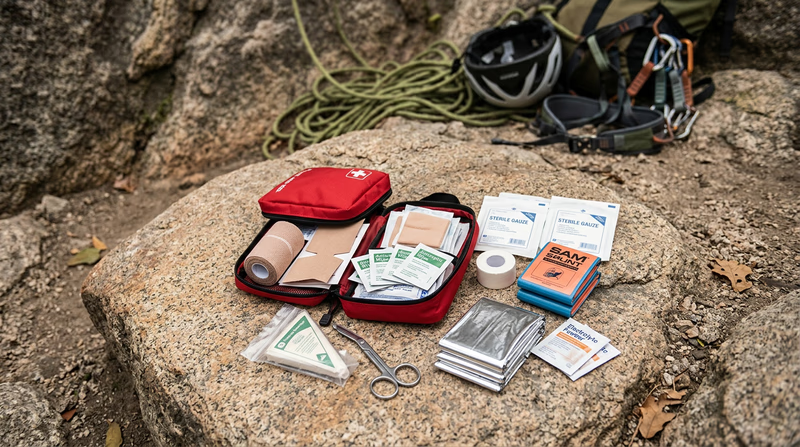
Build Your Climbing First Aid Kit
Your standard troop first aid kit covers most situations, but climbing adds a few extras worth carrying:
Climbing First Aid Additions
Items to add to your standard kit
- Athletic tape: Protects fingers and covers hot spots before blisters form.
- Moleskin: Immediate blister relief.
- Elastic bandage: For wrapping sprains.
- SAM splint: Lightweight, moldable splint for fractures.
- Emergency blanket: Prevents hypothermia in an injured climber.
- Electrolyte packets: Mix with water to treat dehydration.