Req 3b — Displaying Your Collection
A collection hidden in boxes is like a library with locked doors — it has value, but nobody gets to appreciate it. A good display shows off your best pieces while keeping them safe. The trick is balancing visibility with the preservation principles you learned in Req 3a.
Display Principles
Tell a Story
The best displays are not just rows of items — they guide the viewer through a narrative. You might arrange pieces chronologically, geographically, by theme, or by rarity. Think about what you want someone to notice first and what you want them to discover as they look closer.
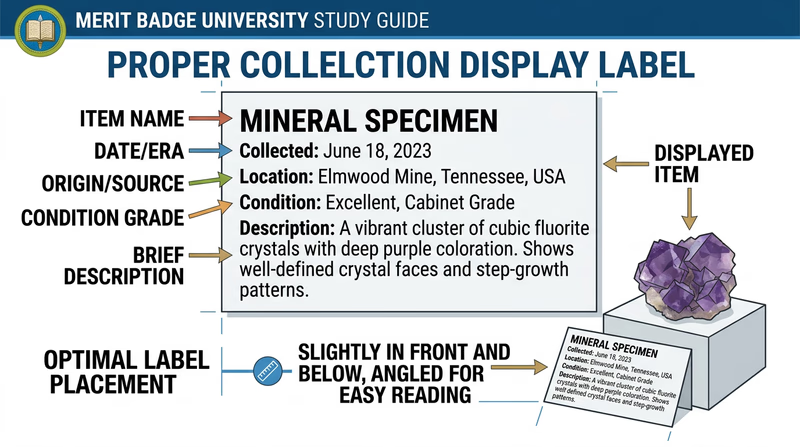
Label Everything
Every displayed item should have a label or caption. At minimum, include:
- What it is (name, type, variety)
- When and where it was made or found
- Why it matters (rarity, historical significance, personal story)
Clear labels turn a pile of objects into an educational experience. Museum professionals call this interpretation — helping viewers understand what they are seeing.
Protect While Displaying
Everything you learned in Req 3a still applies. Your display should:
- Keep items out of direct sunlight (UV light fades and degrades)
- Prevent casual handling by visitors (display cases with lids help)
- Use acid-free mats, mounts, and backings for paper items
- Allow air circulation to prevent moisture buildup in closed cases
Display Methods by Collection Type
| Collection Type | Recommended Display | Preservation Notes |
|---|---|---|
| Coins | Felt-lined display cases, frames with coin capsules | Never glue coins; use friction-fit holders |
| Stamps | Stockbooks or framed pages under UV-filtering glass | Use hingeless mounts, never tape |
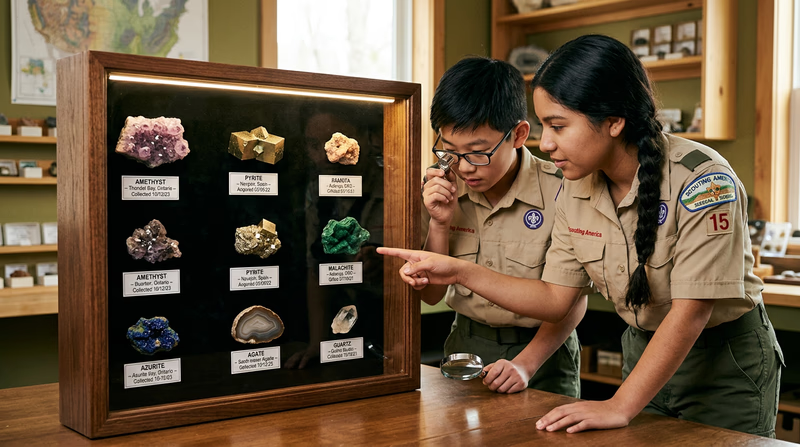
| Rocks & minerals | Shadow boxes, compartmented display cases | Keep specimens separated to prevent scratching |
| Cards | Binder pages, framed slabs, tabletop stands | UV-filtering frames prevent fading |
| Insects | Riker mounts, Schmitt boxes with pinned specimens | Mothballs or naphthalene keep pests away |
| Fossils | Display stands, padded cases, museum putty | Use putty, not glue, for positioning |
Building a Display for Your Counselor
When you meet with your counselor, you will want to show your collection (or photographs of it). A thoughtful presentation makes a strong impression.
Display Preparation
Get ready to show your collection
- Select your best pieces: Choose items that show range, rarity, and condition.
- Arrange them logically: Group by theme, date, type, or another organizing principle.
- Add labels: Name each item and include one interesting fact.
- Consider lighting: Natural indirect light or a desk lamp angled to avoid glare.
- Have a backup: If your collection is too large to transport, prepare clear photographs.