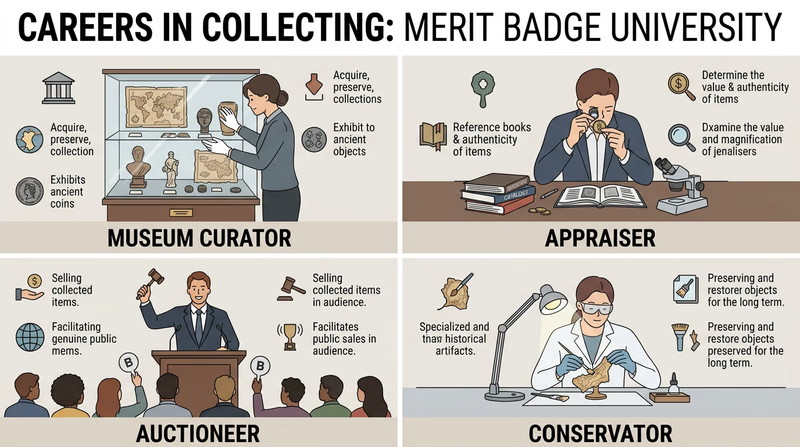
Req 7 — Careers in Collecting
The skills you are building as a collector — research, evaluation, preservation, organization — are the same skills used by professionals who work with collections every day. For some people, what starts as a childhood hobby becomes a lifelong career.
Career Paths in the Collecting World
Museum Curator
Curators manage museum collections — acquiring new pieces, researching their history, designing exhibits, and ensuring proper preservation. They are the bridge between a collection and the public.
- Education: Bachelor’s degree minimum; most positions require a master’s degree in museum studies, art history, or a relevant field
- Training: Internships at museums are essential — many curators start as unpaid volunteers or interns during college
- Experience: Entry-level positions like collections assistant or registrar build the skills needed to advance
- Skills from collecting: Object identification, research, cataloging, preservation, display design
Appraiser
Appraisers determine the value of items for insurance, estate settlements, donations, and legal proceedings. They work independently or for auction houses, insurance companies, and banks.
- Education: Bachelor’s degree in a relevant field; specialized training through organizations like the American Society of Appraisers (ASA)
- Training: Apprenticeship with an experienced appraiser, plus coursework in valuation methodology
- Experience: Years of handling and evaluating items in a specific area build the expertise appraisers need
- Skills from collecting: Condition assessment, market knowledge, research, grading
Auction House Specialist
Auction houses like Sotheby’s, Christie’s, Heritage Auctions, and Stack’s Bowers employ specialists who authenticate items, estimate values, write catalog descriptions, and manage sales.
- Education: Bachelor’s degree; many specialists have advanced degrees in art history, numismatics, or a related field
- Training: Most start in entry-level cataloging or administrative roles and work their way up
- Experience: Deep expertise in a specific collecting area is essential
- Skills from collecting: Authentication, grading, market awareness, client relationships
Archivist
Archivists preserve and organize historical documents, photographs, and records for libraries, universities, government agencies, and private organizations. If you love the organizational side of collecting, this might be your path.
- Education: Master’s degree in library science or archival studies
- Training: Practical experience through internships and volunteer positions
- Experience: Familiarity with cataloging systems, preservation techniques, and digital archiving
- Skills from collecting: Organization, cataloging, preservation, attention to detail
Dealer / Shop Owner
Running a collectibles shop — brick-and-mortar or online — turns your market knowledge into a business. Dealers buy, sell, and trade in their specialty area.
- Education: Business knowledge is essential (even if self-taught); subject-matter expertise comes from years of collecting
- Training: Many dealers start by selling at shows or online while holding another job
- Experience: Deep knowledge of the market, strong relationships with collectors and wholesalers
- Skills from collecting: Grading, pricing, negotiation, customer relations, inventory management
Conservator / Restorer
Conservators repair and preserve damaged collectibles, artwork, and artifacts. They work in museums, private practice, and specialty labs.
- Education: Master’s degree in conservation (programs at NYU, University of Delaware, and others)
- Training: Extensive hands-on internships; chemistry and materials science coursework
- Experience: Each specialty (paper, metals, textiles, paintings) requires years of focused practice
- Skills from collecting: Understanding materials, preservation knowledge, patience, fine motor skills
Preparing for Your Counselor Discussion
Pick one career that genuinely interests you and be prepared to explain:
- What the job involves day to day
- Education required — degrees, certifications, or specialized training
- How to get started — internships, entry-level positions, volunteer opportunities
- Why it appeals to you — connect it to your personal interests and collecting experience
Career Research
Cover these points for your chosen profession
- Job description: What does a typical day or week look like?
- Education: What degree or certification is needed?
- Training path: How do people break into this field?
- Salary range: What can you expect to earn?
- Connection to collecting: How do your current skills apply?
- Why it interests you: A genuine, personal reason.