Req 1a — Safety Hazards & Protective Gear
A single drop of uncured epoxy resin on bare skin might not look like a big deal — but repeated exposure can trigger a lifelong allergic reaction that means you can never work with epoxy again. Composite materials produce real chemical and physical hazards, and understanding them before you start is not optional. It is the foundation everything else in this badge builds on.
The Major Hazards
Chemical Exposure
Resins (epoxy, polyester, vinyl ester) contain chemicals that irritate skin, eyes, and the respiratory system. Some components — like the hardeners in epoxy systems — are sensitizers, meaning they can cause your immune system to overreact. Once you become sensitized, even tiny amounts of exposure can trigger severe allergic dermatitis (a painful, itchy rash) or breathing difficulties. This sensitization is permanent.
Solvents used to clean tools and thin resins (acetone, methyl ethyl ketone) evaporate quickly and produce vapors that can cause headaches, dizziness, and nausea. In a poorly ventilated space, these vapors build up fast.
Airborne Fibers and Dust
Cutting, sanding, or grinding fiberglass, carbon fiber, or aramid produces tiny fiber fragments and dust. Glass fibers cause itching and skin irritation on contact. Carbon fiber dust irritates the lungs. Aramid fibers can cause respiratory problems with prolonged exposure. Sanding cured composites is particularly hazardous because it generates fine particles that stay airborne for a long time.
Heat and Exothermic Reactions
When resin and hardener are mixed, they undergo a chemical reaction that generates heat. If too much resin is mixed at once or the mixture is left in a container rather than spread thin, the temperature can climb high enough to melt the mixing cup, produce toxic fumes, or even start a fire. This is called an exothermic reaction — “exo” means outside, “thermic” means heat.
Sharp Edges and Splinters
Cured composite materials can produce razor-sharp edges when cut or broken. Fiberglass splinters are especially irritating because the tiny glass fragments embed in skin and are nearly invisible.
Your Protective Gear
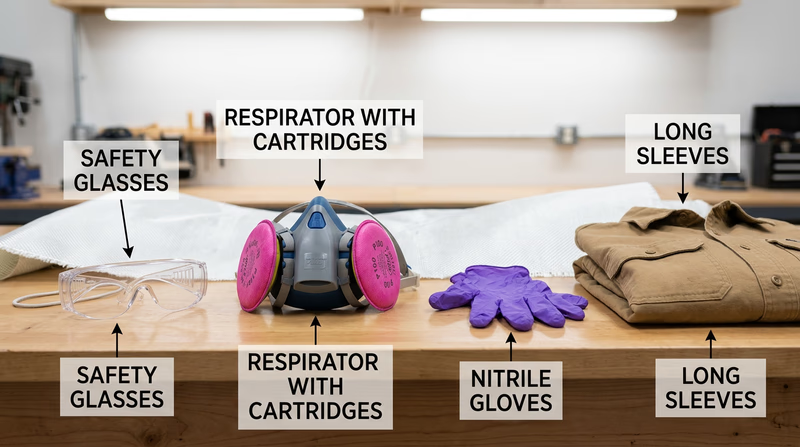
The right safety equipment creates a barrier between you and every hazard listed above. Here is what you need and why.
Eye Protection
Wear safety glasses with side shields at all times when cutting, sanding, or mixing. If you are working with liquid resins or solvents, switch to chemical splash goggles that seal against your face. Standard glasses leave gaps where splashes can reach your eyes.
Respiratory Protection
Use a NIOSH-approved respirator with organic vapor cartridges when mixing or applying resin. For sanding and cutting cured composites, a P100 particulate filter respirator traps fine dust and fiber fragments. A simple dust mask is not enough — the particles from composite work are too small for basic masks to catch.
Skin Protection
Wear nitrile gloves (not latex, which some resins dissolve). Use disposable coveralls or a long-sleeve work shirt to keep fibers and resin off your arms. Tuck sleeves into gloves. If you are sanding, wear a long-sleeve shirt with a snug collar to keep fibers from reaching your neck and chest.
Hand and Body Protection
Wear closed-toe shoes — never sandals. If you are doing extended sanding, a disposable Tyvek suit keeps fiber dust off your clothes and skin. Barrier creams applied to exposed skin before work make cleanup easier and add another layer of protection.
Personal Protective Equipment (PPE) Checklist
Have all of these ready before you start any composite work
- Safety glasses with side shields (or chemical splash goggles for resin work)
- NIOSH-approved respirator with organic vapor and P100 cartridges
- Nitrile gloves (have extras — change them when torn or contaminated)
- Long-sleeve shirt or disposable coveralls
- Closed-toe shoes
- Barrier cream for exposed skin areas
Anticipate, Mitigate, Prevent, Respond
Your counselor will want to hear you use these four words — and understand what each one means in the context of composites work.
- Anticipate: Before you start, identify what could go wrong. Is the ventilation adequate? Do you have the right gloves? Is the fire extinguisher accessible? Think through the job before you pick up a single tool.
- Mitigate: Reduce the severity of hazards you cannot eliminate. You cannot make resin non-toxic, but you can work in a ventilated area, wear a respirator, and mix only small batches at a time.
- Prevent: Take actions that stop hazards from occurring. Keep resin containers sealed when not in use. Wet-sand instead of dry-sand to keep dust out of the air. Never eat or drink in the work area.
- Respond: Know what to do when something goes wrong. If resin contacts your skin, wash immediately with soap and water (not solvent, which drives chemicals deeper). If someone inhales excessive fumes, move them to fresh air. Know where the eyewash station and first aid kit are before you need them.
Now that you know the hazards and the gear that protects you, the next step is understanding how to handle, store, and dispose of the chemicals you will be working with.