Req 1a — Kitchen Hazards
Before you pick up a knife or turn on a burner, you need to understand the risks that come with cooking — and how to handle them. The kitchen (and the campsite) can be one of the safest places in the world if you know what to watch for. The key is thinking ahead.
The Four-Step Safety Framework
Your counselor will want to hear you use four specific words: anticipate, prevent, mitigate, and respond. Here is what each one means in the kitchen:
- Anticipate — Think about what could go wrong before you start. Is the stove near something flammable? Are there young children nearby? Is the floor slippery?
- Prevent — Take action to stop hazards before they happen. Wipe up spills immediately. Turn pot handles inward so they cannot be bumped. Keep knives in a block, not loose in a drawer.
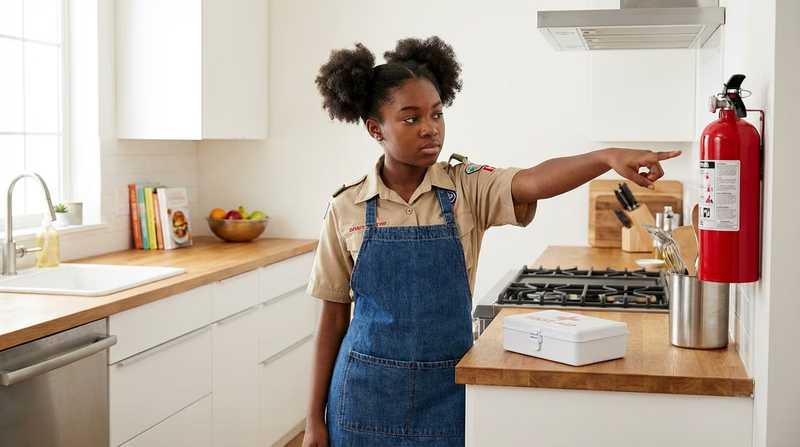
- Mitigate — If something does go wrong, limit the damage. Know where the fire extinguisher is. Have a first-aid kit within reach. Turn off the heat source immediately if a problem occurs.
- Respond — Take the right action after an incident. Cool a burn under running water. Apply pressure to a cut. Call for help when you need it.
Common Kitchen Hazards
Here are the hazards you are most likely to encounter. For each one, think through the four-step framework above.
Burns and Scalds
Burns from hot surfaces, open flames, and boiling liquids are the most common kitchen injury. Steam burns are especially sneaky — lifting a lid off a pot can release a blast of steam that scalds your hand or face before you even feel the heat.
- Anticipate: Any surface near heat can burn you — pots, pans, oven racks, even plates that just came out of the microwave.
- Prevent: Use oven mitts or pot holders every time. Lift lids away from your face so steam escapes in the opposite direction. Never reach across a hot burner.
Cuts and Lacerations
Knives are essential tools, but they demand respect. Dull knives are actually more dangerous than sharp ones because they require more force and are more likely to slip.
- Anticipate: Any time you pick up a knife, a grater, or a can with a sharp lid, you are handling a potential hazard.
- Prevent: Keep knives sharp. Always cut on a stable cutting board. Curl your fingers into a “claw” to hold food — this keeps your fingertips out of the blade’s path.
Fires
Grease fires, unattended stoves, and flammable materials near heat sources are serious hazards. A grease fire can erupt in seconds and spread quickly if handled wrong.
- Anticipate: Cooking with oil or fat at high temperatures always carries fire risk.
- Prevent: Never leave cooking food unattended. Keep towels, paper, and plastic away from burners. Do not overfill pans with oil.
- Respond: Never throw water on a grease fire. Water causes the burning oil to splatter and spread. Instead, smother the fire by sliding a lid over the pan and turning off the heat. If the fire is in the oven, close the oven door. If it is out of control, evacuate and call 911.
Slips and Falls
Water, oil, and food scraps on the floor create slippery surfaces. In a busy kitchen, spills happen fast.
- Anticipate: Anytime liquids are being poured, stirred, or drained, there is a chance something hits the floor.
- Prevent: Clean spills immediately. Wear closed-toe shoes with non-slip soles. Keep walkways clear of cords, bags, and clutter.
Cross-Contamination
This is an invisible hazard — you cannot see the bacteria that transfer from raw meat to a cutting board to a salad. Cross-contamination is one of the leading causes of foodborne illness.
- Anticipate: Anytime you handle raw meat, poultry, fish, or eggs, harmful bacteria may be present.
- Prevent: Use separate cutting boards for raw meat and ready-to-eat foods. Wash your hands with soap and hot water for at least 20 seconds after handling raw proteins. Never place cooked food on a plate that held raw meat.
Outdoor Cooking Hazards
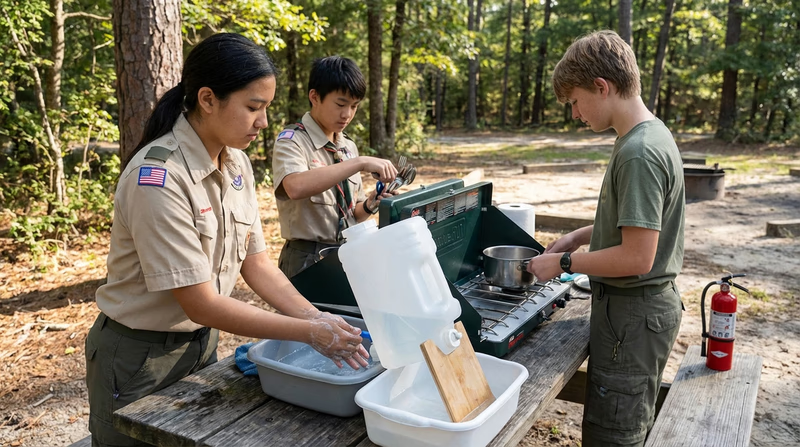
When you move from the kitchen to the campsite, you add a new set of hazards: uneven ground, wind, rain, wildlife, and limited access to water. Everything you have learned about indoor safety still applies, plus:
- Wind can blow flames and sparks. Position your cooking area downwind from tents and gear.
- Wildlife is attracted to food smells. Store food properly and cook at least 200 feet from sleeping areas.
- Limited water means you need to plan ahead for handwashing and cleanup.
Putting It All Together
When your counselor asks you about cooking hazards, organize your answer around the four steps: anticipate, prevent, mitigate, respond. Pick three or four specific hazards and walk through each step for each one. Showing that you can think systematically about safety is exactly what this requirement is looking for.