Req 1b — First Aid for the Kitchen
Knowing how to prevent kitchen injuries is half the battle. The other half is knowing what to do when something goes wrong. This requirement focuses on the four most common kitchen emergencies — and the first aid that goes with each one.
Burns and Scalds
Burns are classified by severity:
- First-degree burns affect only the outer layer of skin. The area turns red and hurts, but there are no blisters. Most minor kitchen burns fall into this category.
- Second-degree burns go deeper. You will see blisters, swelling, and more intense pain.
- Third-degree burns destroy multiple layers of skin. The area may look white, brown, or charred. These require emergency medical care immediately.
First Aid for Burns:
- Remove the source of the burn. Move away from the hot surface, flame, or liquid.
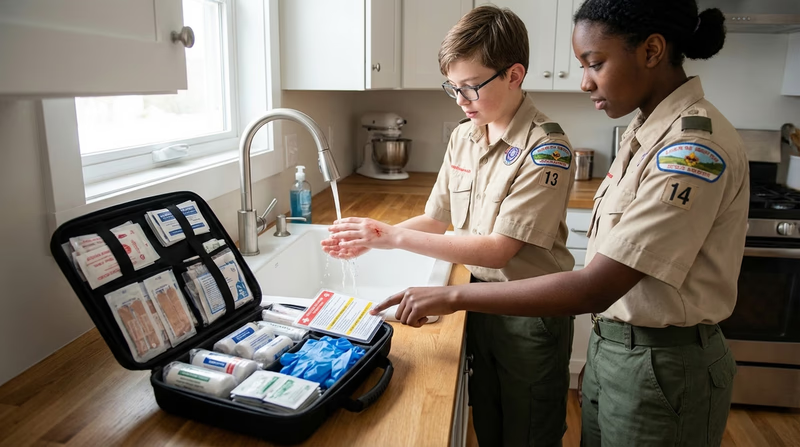
- Cool the burn under cool (not ice-cold) running water for at least 10 minutes. This is the single most effective treatment for minor burns.
- Do NOT apply butter, oil, toothpaste, or ice — these old remedies can actually make the injury worse.
- Cover the burn loosely with a sterile, non-stick bandage.
- Take an over-the-counter pain reliever if needed.
- Seek medical attention for any burn larger than 3 inches, any burn on the face, hands, feet, or joints, or any second- or third-degree burn.
Prevention:
- Use oven mitts or pot holders every single time you handle hot items.
- Turn pot handles toward the back of the stove so they cannot be bumped.
- Keep children and pets away from the cooking area.
- Let hot oil cool before moving a pan.
Cuts and Lacerations
Most kitchen cuts come from knives, but graters, can lids, broken glass, and even the edge of aluminum foil can slice skin quickly.
First Aid for Cuts:
- Apply firm, direct pressure with a clean cloth or gauze pad.
- Keep pressure on the wound for at least 5 minutes without peeking — lifting the cloth too soon can restart bleeding.
- Once bleeding stops, clean the wound gently with soap and water.
- Apply antibiotic ointment and cover with a bandage.
- Seek medical attention if the cut is deep, will not stop bleeding after 10 minutes of direct pressure, was caused by a rusty or dirty object, or shows signs of infection (redness, swelling, warmth, or pus).
Prevention:
- Always cut away from your body on a stable cutting board.
- Use the claw grip (from Req 1a) to protect your fingers.
- Keep knives sharp — a dull blade requires more force and is more likely to slip.
- Never try to catch a falling knife. Step back and let it drop.
Choking
Choking happens when food or another object blocks the airway. It can happen to anyone, at any age, and it can turn deadly in minutes if not addressed.
Signs of choking:
- The person grabs their throat (the universal choking sign).
- They cannot speak, cough, or breathe.
- Their skin may turn blue or gray.
First Aid for Choking (Conscious Person):
- Ask, “Are you choking? Can I help?” If they nod yes but cannot speak, act immediately.
- Stand behind the person and wrap your arms around their waist.
- Make a fist with one hand and place it just above their belly button, below the ribcage.
- Grasp your fist with your other hand.
- Deliver quick, upward thrusts (abdominal thrusts / Heimlich maneuver) until the object is dislodged or the person can breathe.
- If the person becomes unconscious, lower them to the ground and call 911. Begin CPR if you are trained.
Prevention:
- Cut food into small, manageable pieces — especially for younger Scouts.
- Chew thoroughly before swallowing.
- Do not talk, laugh, or run with food in your mouth.
- Avoid eating too quickly.
Allergic Reactions
Food allergies are a serious and potentially life-threatening concern. An allergic reaction happens when the immune system overreacts to a protein in food. Reactions can range from mild (hives, itching) to severe (anaphylaxis — a whole-body emergency).
Signs of a mild allergic reaction:
- Hives, itching, or a rash
- Tingling or swelling of the lips, tongue, or throat
- Stomach cramps, nausea, or vomiting
Signs of anaphylaxis (severe reaction):
- Difficulty breathing or wheezing
- Swelling of the throat that makes it hard to swallow or speak
- Rapid or weak pulse
- Dizziness or fainting
- A feeling of “something is very wrong”
First Aid for Allergic Reactions:
- If the person has a prescribed epinephrine auto-injector (like an EpiPen), help them use it immediately. Do not wait to see if the reaction gets worse.
- Call 911 right away for any signs of anaphylaxis.
- Help the person sit up to make breathing easier (unless they feel faint, then help them lie down with legs elevated).
- Stay with them until emergency help arrives.
- For mild reactions with only skin symptoms, an antihistamine (like Benadryl) may help, but always follow up with a medical professional.
Prevention:
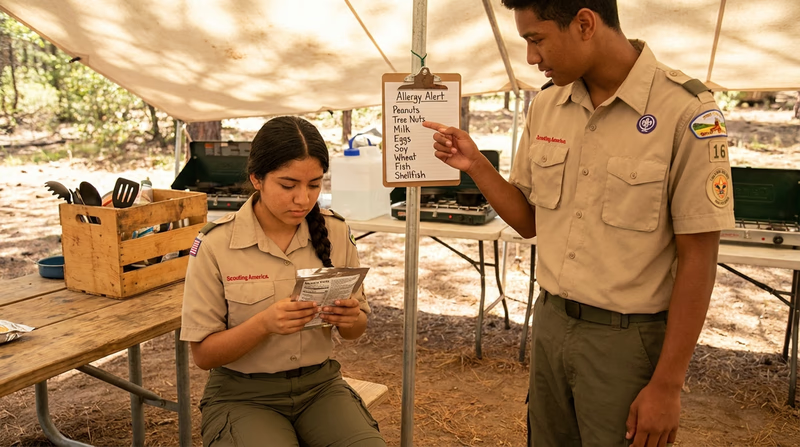
- Always ask guests and fellow Scouts about food allergies before planning a menu.
- Read every ingredient label carefully (you will learn more about this in Req 1e).
- Keep allergen-free foods completely separate from other foods during preparation.
- When in doubt, leave it out.