Req 1c — Safe Food Storage
Food safety is invisible. You cannot see, smell, or taste the bacteria that cause foodborne illness — but they are there, multiplying fast if you give them the chance. This requirement teaches you how to handle the most common food groups safely from the moment you buy them to the moment they hit the plate.
The Temperature Danger Zone
The single most important concept in food storage is the temperature danger zone: 40°F to 140°F (4°C to 60°C). Bacteria thrive in this range and can double every 20 minutes. Your job as a cook is to keep cold foods cold and hot foods hot — and spend as little time as possible in the danger zone.
Storage Guidelines by Food Type
Meat (Beef, Pork, Lamb)
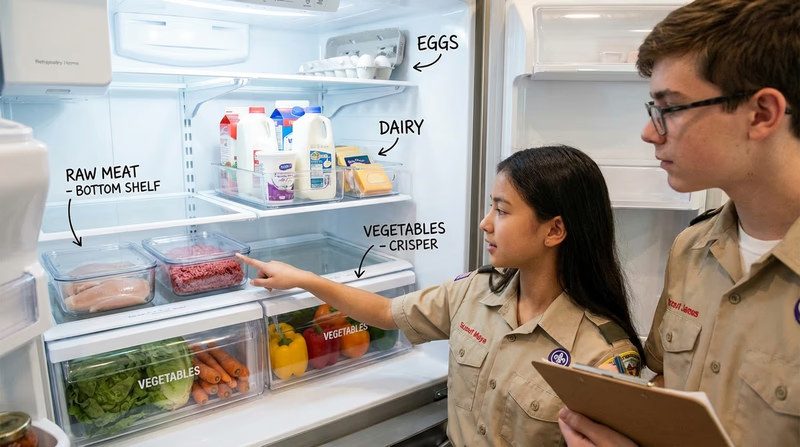
- Store: In the coldest part of the refrigerator (usually the bottom shelf), at 40°F or below. Place on a plate or in a sealed container to prevent juices from dripping onto other foods.
- Transport: Use a cooler with ice packs. Raw meat should be double-bagged and placed at the bottom of the cooler.
- Prepare: Thaw in the refrigerator (never on the counter). Cook to safe internal temperatures: ground meat to 160°F, steaks and roasts to 145°F with a 3-minute rest.
Fish and Shellfish
- Store: In the refrigerator at 40°F or below. Use within 1–2 days of purchase. Fresh fish should smell like the ocean, not “fishy.”
- Transport: Keep on ice. Fish spoils faster than any other protein.
- Prepare: Cook to an internal temperature of 145°F. Fish is done when it flakes easily with a fork and is opaque throughout.
Chicken and Poultry
- Store: Bottom shelf of the refrigerator in a sealed container. Poultry is one of the highest-risk foods for salmonella contamination.
- Transport: Double-bag and keep cold. Never let raw chicken juices come in contact with other foods.
- Prepare: Always cook to an internal temperature of 165°F — no exceptions. Never wash raw chicken in the sink; this splashes bacteria onto surrounding surfaces.
Eggs
- Store: In the refrigerator in their original carton (not the door — the door is the warmest part of the fridge). Use by the date on the carton.
- Transport: Handle gently. Cracked eggs should be discarded because bacteria can enter through breaks in the shell.
- Prepare: Cook until both the white and yolk are firm. Avoid recipes that call for raw or undercooked eggs unless using pasteurized eggs.
Dairy Products (Milk, Cheese, Yogurt)
- Store: Refrigerate at 40°F or below. Keep containers sealed. Hard cheeses last longer than soft cheeses.
- Transport: Use a cooler. Dairy products spoil quickly at room temperature.
- Prepare: Check expiration dates. Smell and inspect dairy products before using — sour milk and moldy cheese (other than intentionally moldy varieties like blue cheese) should be discarded.
Fresh Vegetables
- Store: Most vegetables go in the refrigerator’s crisper drawer. Potatoes, onions, and tomatoes do better at room temperature in a cool, dark place.
- Transport: Keep separate from raw meats. Leafy greens are especially vulnerable to contamination.
- Prepare: Wash all vegetables under running water before cutting or cooking — even if you plan to peel them. Bacteria on the skin can transfer to the flesh when you cut through it.
Cross-Contamination: The Invisible Threat
Cross-contamination is the transfer of harmful bacteria from one food, surface, or utensil to another. It is the cause of many foodborne illnesses and is almost entirely preventable.
The Three Pathways of Cross-Contamination:
- Food to food: Raw chicken juice drips onto salad greens in the refrigerator. Raw meat is stored above ready-to-eat foods.
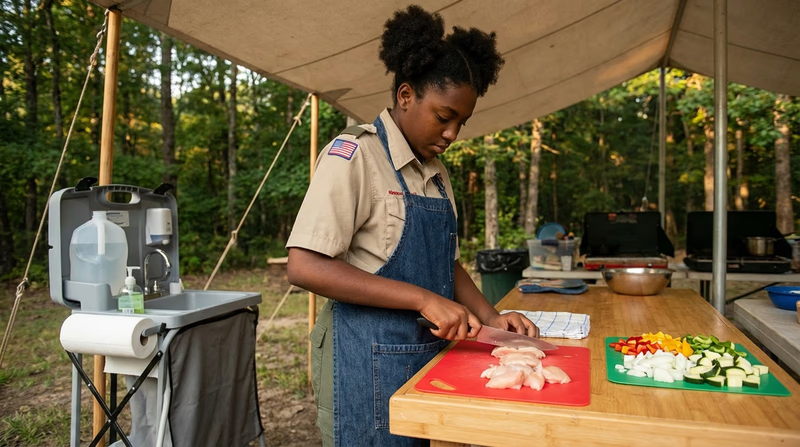
- Surface to food: You cut raw chicken on a cutting board, then slice tomatoes on the same board without washing it.
- Hands to food: You handle raw meat, then grab a piece of bread without washing your hands.
Preventing Cross-Contamination
Follow these rules every time you cook
- Use separate cutting boards for raw meat and ready-to-eat foods (many cooks use color-coded boards).
- Wash hands with soap and warm water for at least 20 seconds after touching raw meat, poultry, fish, or eggs.
- Sanitize countertops, cutting boards, and utensils with hot soapy water after they contact raw proteins.
- Store raw meats on the lowest shelf in the refrigerator, never above other foods.
- Use separate utensils for raw and cooked foods — never put cooked meat back on the plate that held it raw.
- Wash all produce under running water before eating or cooking, even if you plan to peel it.
Cooking Temperatures: Your Final Safety Net
Even if cross-contamination occurs, cooking food to the right internal temperature kills harmful bacteria. Use a food thermometer — do not rely on color or texture alone.
USDA Safe Minimum Internal Temperatures The official USDA chart showing the minimum safe cooking temperatures for all types of meat, poultry, seafood, and eggs.