Req 2a — MyPlate Food Groups
Nutrition is the foundation of everything you cook. If you are going to prepare meals for yourself, your family, and your patrol, you need to understand what a balanced plate looks like. The USDA’s MyPlate model makes this straightforward.
What Is MyPlate?
MyPlate replaced the old Food Pyramid in 2011. Instead of stacking food groups on top of each other, MyPlate shows a simple dinner plate divided into four sections — Fruits, Vegetables, Grains, and Proteins — with a small circle on the side for Dairy. The visual message is clear: fill half your plate with fruits and vegetables, and split the other half between grains and protein.
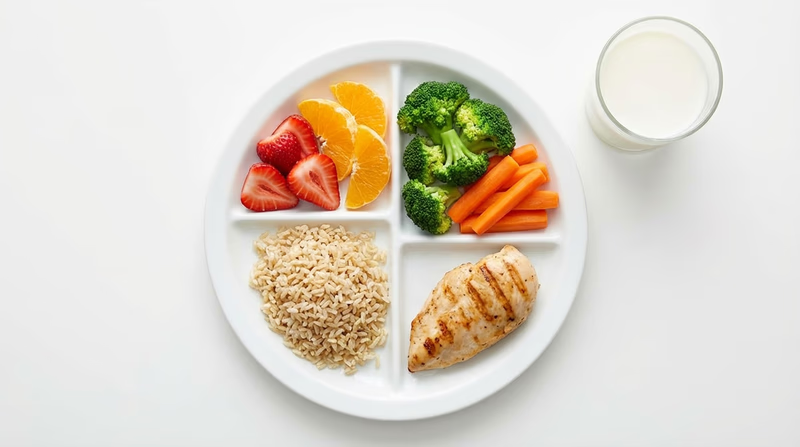
The Five Food Groups
For this requirement, you need to provide five examples from each group, know the recommended daily servings, and understand serving sizes. Here is a guide to get you started — but remember, the requirement asks you to come up with your own examples when you meet with your counselor.
1. Fruits
Fruits provide vitamins (especially vitamin C), fiber, and natural sugars for energy. Eating a variety of colorful fruits gives you a wider range of nutrients.
- Daily recommendation: 1½ to 2 cups per day (for most teens)
- What counts as 1 cup? 1 medium apple, 1 large banana, 1 cup of berries, ½ cup of dried fruit, or 1 cup of 100% fruit juice
Think about fruits you already enjoy — apples, oranges, bananas, grapes, strawberries, blueberries, watermelon, peaches, mangoes, and more. Try to include whole fruits more often than juice, because whole fruits contain fiber that juice does not.
2. Vegetables
Vegetables are nutritional powerhouses. They provide fiber, vitamins A and C, potassium, and folate. The USDA recommends eating vegetables from all five subgroups throughout the week: dark green, red/orange, beans and peas, starchy, and other.
- Daily recommendation: 2½ to 3 cups per day (for most teens)
- What counts as 1 cup? 1 cup of raw or cooked vegetables, 2 cups of raw leafy greens, or 1 cup of 100% vegetable juice
Think broadly — broccoli, carrots, spinach, sweet potatoes, corn, green beans, bell peppers, tomatoes, celery, and many more.
3. Grains
Grains provide energy in the form of carbohydrates, along with B vitamins, iron, and fiber (especially whole grains). The USDA recommends that at least half of your grains be whole grains.
- Daily recommendation: 6 to 8 ounce-equivalents per day (for most teens)
- What counts as 1 ounce-equivalent? 1 slice of bread, 1 cup of ready-to-eat cereal, or ½ cup of cooked rice, pasta, or oatmeal
Whole grains include whole wheat bread, brown rice, oatmeal, quinoa, and whole corn tortillas. Refined grains include white bread, white rice, and regular pasta.
4. Proteins
Proteins build and repair your muscles, bones, skin, and blood. This group includes much more than just meat — beans, nuts, seeds, eggs, and soy products are all excellent protein sources.
- Daily recommendation: 5 to 6½ ounce-equivalents per day (for most teens)
- What counts as 1 ounce-equivalent? 1 ounce of meat, poultry, or fish; 1 egg; ¼ cup of cooked beans; 1 tablespoon of peanut butter; or ½ ounce of nuts or seeds
Vary your protein sources. Seafood, lean poultry, beans, and nuts offer different nutrients. Aim for at least 8 ounces of seafood per week.
5. Dairy
Dairy provides calcium, vitamin D, and protein — all essential for building strong bones during your teen years. If you are lactose intolerant, calcium-fortified soy beverages and lactose-free dairy products are good alternatives.
- Daily recommendation: 3 cups per day (for most teens)
- What counts as 1 cup? 1 cup of milk or yogurt, 1½ ounces of natural cheese, or 2 ounces of processed cheese
Think about milk, yogurt, cheese, cottage cheese, and calcium-fortified alternatives like soy milk.
Preparing for Your Counselor Discussion
When you meet with your counselor, be ready to list five specific examples from each food group, state the daily serving recommendation, and describe what a single serving looks like. Do not just memorize a list — think about foods you actually eat and how they fit into the MyPlate model.
MyPlate — What Is MyPlate? The official USDA MyPlate website with detailed information about each food group, serving sizes, and daily recommendations by age.