Req 2b — Oils & Sugars
You may have noticed that MyPlate does not have a section for oils and sugars. That is intentional — they are not a food group. Small amounts of healthy oils are necessary, but added sugars and excess oils provide calories without the nutrients your body needs.
Why Limit Oils?
Not all fats are bad. Your body actually needs fats to absorb vitamins (A, D, E, and K), protect your organs, and maintain healthy skin and hair. The key is choosing the right kinds and keeping the total amount in check.
Healthy oils come from plants and fish:
- Olive oil, canola oil, avocado oil
- Oils naturally present in nuts, seeds, avocados, and fatty fish like salmon
Unhealthy fats to limit or avoid:
- Saturated fats — found in butter, cheese, fatty meats, and coconut oil. Eating too much raises LDL (“bad”) cholesterol, which increases your risk of heart disease.
- Trans fats — artificially created fats found in some processed foods, fried foods, and baked goods. Trans fats are the worst kind for your heart. The FDA has banned the most common source of artificial trans fats, but small amounts may still appear in some products.
Why Limit Sugars?
There is a difference between natural sugars and added sugars:
- Natural sugars are found in fruits (fructose) and dairy (lactose). These come packaged with fiber, vitamins, and minerals, so they are part of a healthy diet.
- Added sugars are sugars and syrups put into foods during processing or preparation. They add calories but zero nutrients — these are sometimes called “empty calories.”
What happens when you eat too much added sugar?
- Weight gain — excess sugar calories are stored as fat
- Tooth decay — sugar feeds the bacteria that cause cavities
- Energy crashes — a sugar spike gives you quick energy, then a crash that leaves you tired and foggy
- Increased risk of type 2 diabetes, heart disease, and other chronic conditions over time
Where Is Sugar Hiding?
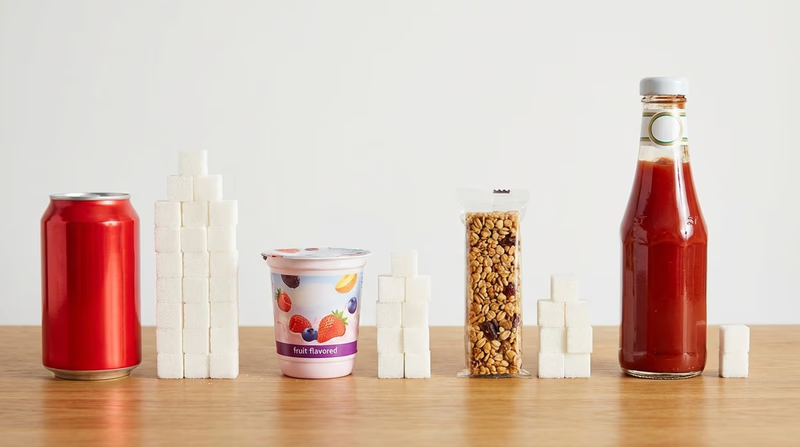
Added sugar is not just in candy and soda. It hides in foods you might not expect:
- Ketchup and BBQ sauce
- Flavored yogurt
- Granola bars and breakfast cereal
- Sports drinks and fruit juice
- Bread and pasta sauce
Remember the label-reading skills from Req 1e — check the ingredients list for sugar’s many names (high fructose corn syrup, dextrose, sucrose, maltose, honey, agave, and more).
The Balance
The goal is not to eliminate all fats and sugars from your diet. The goal is to choose wisely:
- Cook with healthy oils in moderate amounts.
- Satisfy your sweet tooth with whole fruits instead of candy and soda.
- Read labels and be aware of how much added sugar you are actually eating.
- When you plan meals for this merit badge, think about where oils and sugars fit — and where you can make healthier choices.