Req 2c — Activity & Calories
This requirement connects what you eat to how you move. The food you eat is fuel — and the amount of fuel you need depends on how active you are. Tracking your activity and matching it to your calorie needs is one of the most practical nutrition skills you can develop.
What Are Calories?
A calorie is simply a unit of energy. Every food you eat provides a certain number of calories, and every activity you do burns a certain number. Your body uses calories for everything — breathing, thinking, walking, playing sports, and even sleeping.
- If you eat roughly the same number of calories your body uses, your weight stays stable.
- If you consistently eat more than you use, your body stores the excess as fat.
- If you consistently eat less than you use, your body draws on stored energy.
For most teens, the goal is not to count every calorie obsessively, but to understand the relationship between activity and nutrition so you can make smart choices.
Estimating Your Daily Caloric Needs
Your caloric needs depend on your age, sex, and activity level. Here are general guidelines for teens:
| Activity Level | Description | Estimated Daily Calories (Ages 14–18) |
|---|---|---|
| Sedentary | Little physical activity beyond daily living | 1,800–2,200 |
| Moderately active | 30–60 minutes of moderate exercise daily | 2,000–2,600 |
| Active | 60+ minutes of vigorous exercise daily | 2,400–3,200 |
These are estimates. The MyPlate Plan tool can give you a more personalized recommendation based on your specific age, height, weight, and activity level.
MyPlate Plan Enter your age, sex, height, weight, and activity level to get a personalized daily food plan with recommended amounts from each food group.How to Track Your Activity
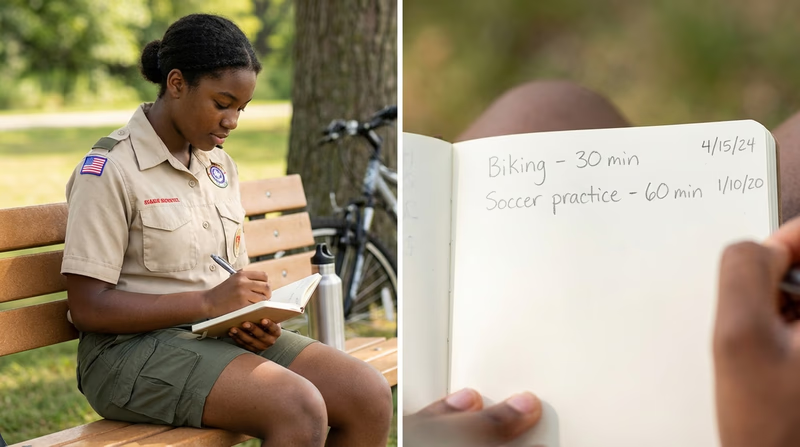
For five days, keep a simple log of what you do and for how long. You do not need a fitness tracker — a notebook works fine. Focus on physical activities beyond your normal daily routine.
Activity Tracking Tips
What to record each day
- Type of activity (walking, biking, sports practice, Scout outing, chores, etc.)
- Duration (how many minutes)
- Intensity level: light (walking, stretching), moderate (brisk walking, casual biking), or vigorous (running, competitive sports, hiking with a heavy pack)
- Any periods of extended sitting (screen time, homework, car rides)
Planning a One-Day Meal Plan
After you have tracked your activity for five days, use the MyPlate Plan tool to determine your recommended daily caloric intake. Then plan one full day of meals (breakfast, lunch, dinner, and snacks) that meets your needs.
A good meal plan includes:
- Foods from all five food groups
- The right number of servings for your calorie level
- Meals that are realistic — foods you would actually eat and could actually prepare
- A balance of nutrients throughout the day (do not save all your vegetables for dinner)
Preparing for Your Counselor Discussion
When you meet with your counselor, bring your five-day activity log and your one-day meal plan. Be prepared to explain:
- How active you were on each of the five days
- What your estimated daily caloric need is, based on your activity level
- How your meal plan addresses each food group
- What adjustments you might make on a more active day (like a camping trip) versus a sedentary day